
Last updated November 4, 2026
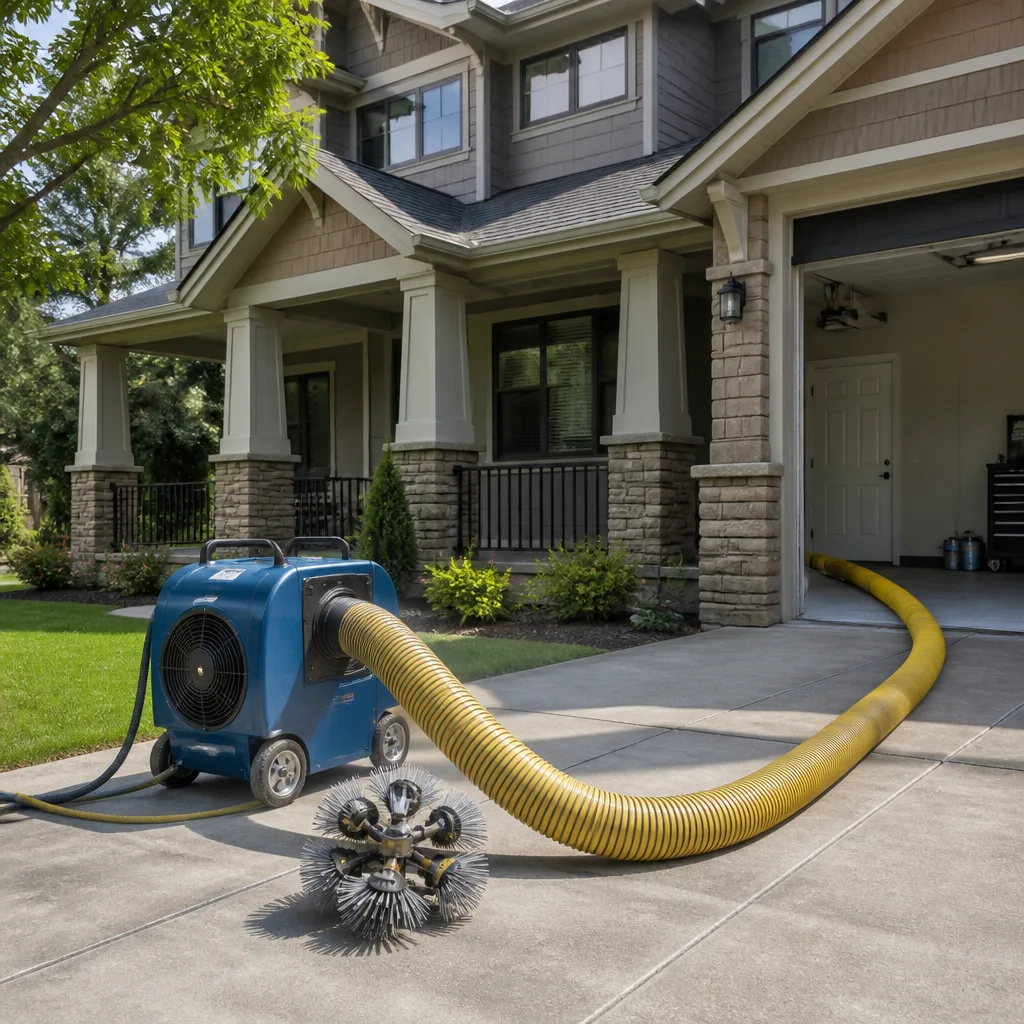 Whole-home duct cleaning
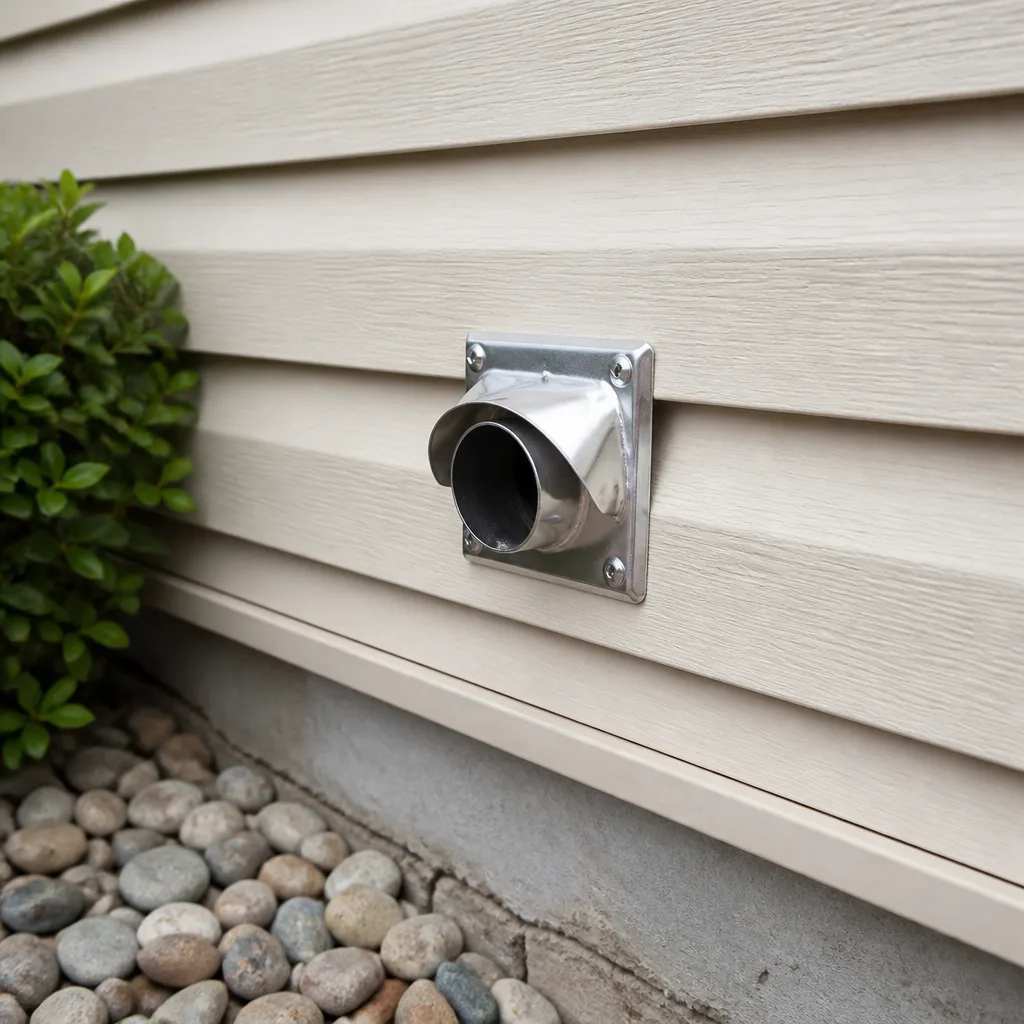 Dryer vent cleaning
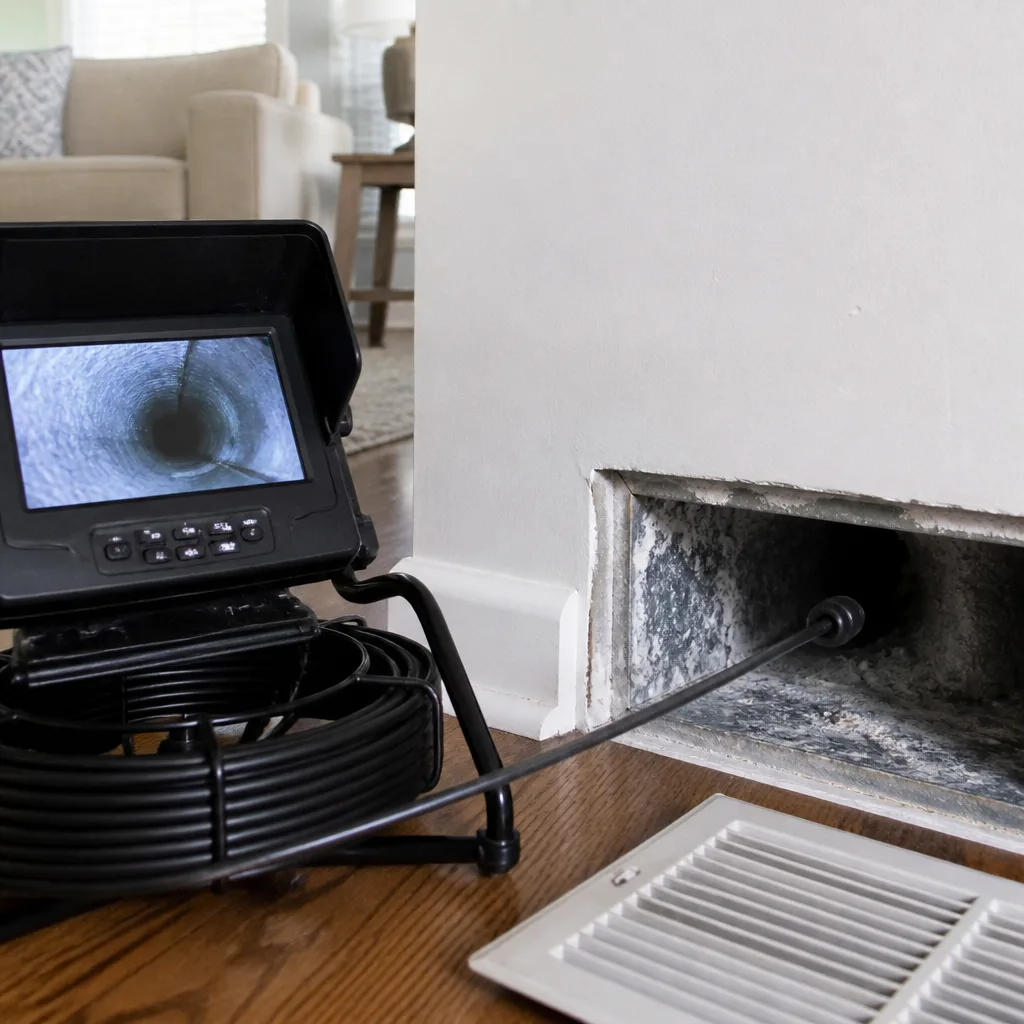 Camera inspection
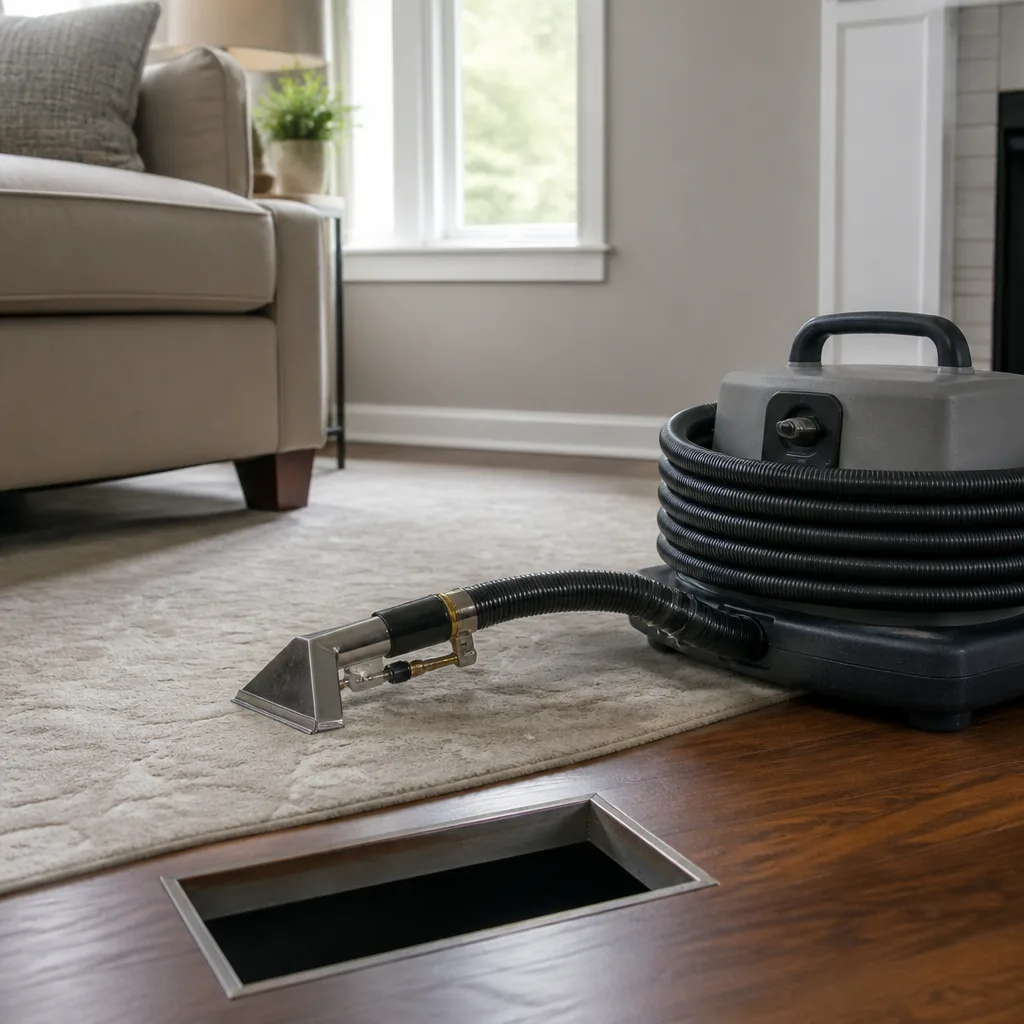 Sanitizing & deodorizing
Whole-system duct and dryer vent check with before-and-after photos - you see exactly what came out of your vents
That "$99 whole-house special" is a bait ad - the real number appears once they are in your hallway, or the "clean" is a shop-vac at the register. We photograph the inside of your ducts before and after instead.
Air Duct Cleaning Warning Signs: A Chatsworth Homeowner’s Reference Guide
Dust blowing from a supply register is a symptom, not a diagnosis. It could mean a dirty evaporator coil, a failed filter bypass seal, a disconnected flex run in the attic, or contamination pulled in through a breached return near a crawl space. Each cause requires a different response, and cleaning alone won’t fix all of them. This guide explains what the warning signs actually indicate mechanically, so you can describe the problem accurately when you call a specialist in Chatsworth, and so you don’t pay for work that misses the real issue.
Quick Answer
The most reliable warning signs that your air ducts need attention in Chatsworth are visible dust accumulating around supply registers, rooms that stay warmer or cooler than the thermostat setting, a musty or mechanical odor when the blower starts, filters that load with debris far faster than normal, and rising energy bills without a change in usage. Any one of these can point to dirty ductwork, but several together usually mean the system has a mechanical problem such as a disconnected joint or a bypassing filter seal, not just surface dust. A professional inspection with the right equipment tells you which.
Styles & brands we work with
- Whole-home duct cleaning
- Dryer vent cleaning
- Camera inspection
- Sanitizing & deodorizing
Table of Contents
- Supply-Side Symptoms vs. Return-Side Symptoms: Why the Difference Matters
- Biological Odor vs. Mechanical Odor: How to Tell Them Apart
- Chatsworth-Specific Warning: Construction Dust and Return-Air Bypass
- Warning Signs That Cleaning Alone Won’t Solve
- The 10-Minute Homeowner Visual Inspection Sequence
- What Rapid Filter Loading Really Tells You
- When to Call a Professional
Supply-Side Symptoms vs. Return-Side Symptoms: Why the Difference Matters
Your duct system has two halves, and they fail in different ways. The supply side pushes conditioned air into rooms. The return side pulls room air back to the air handler. When a homeowner says “my ducts are dirty,” the location of the symptom often tells us which half is actually compromised.
Supply-side contamination shows up as dust patterns you can see. A gray film on the wall above a register, dust streaks radiating outward from a vent, or a room that collects dust faster than its neighbors. Supply-side symptoms usually mean debris is sitting in the supply trunk or branch runs and being pushed into the living space. In Chatsworth, where the Santa Ana winds carry fine particulate and summer temperatures keep systems running long cycles, supply ducts accumulate material steadily even in well-maintained homes.
Return-side symptoms are less visible and often mistaken for something else. A musty smell when the blower first kicks on, a persistent odor that returns within days of changing the filter, or a faint smell in one hallway but not another. Return ducts operate under negative pressure, so any gap or breach pulls unconditioned air from attics, wall cavities, or crawl spaces directly into the airstream. The ductwork doesn’t even need to be visibly dirty inside to deliver contaminated air.
Here’s the practical distinction: supply-side symptoms suggest the ducts need physical cleaning. Return-side symptoms suggest an air leak or source of contamination that may need air duct repair before or instead of cleaning. Knowing which half of the system is talking to you changes the conversation you have with a contractor.
Biological Odor vs. Mechanical Odor: How to Tell Them Apart
Odors are the warning sign homeowners describe least precisely, and the distinction matters because biological and mechanical smells point to entirely different problems, and sometimes to different trades.
Biological Odors
A biological odor reads as musty, earthy, damp, or sour. It often peaks when the system first starts after sitting idle, then fades as air moves. In Chatsworth homes, this smell frequently traces to organic material inside ducts or the air handler: dust that absorbed humidity during a humid stretch, a rodent that entered through a disconnected return in the attic, or microbial growth on a coil that stays wet through a long cooling season. Biological odors mean something organic is present and decomposing or growing. The source has to be removed, not masked.
Mechanical Odors
A mechanical odor reads as hot, acrid, electrical, or like burning plastic. It usually gets stronger as the system runs rather than fading. Common causes include a blower motor overheating, a failing capacitor, a belt slipping, or duct liner adhesive breaking down from age and heat. A mechanical smell is an equipment problem. It will not respond to duct cleaning, and continuing to run the system can damage the blower or controls.
The test: turn the system off for an hour, then turn it on and stand at a supply register. If the smell is strongest in the first minute and fades, it’s likely biological. If it builds over ten or fifteen minutes of operation, it’s likely mechanical. A biological odor points to air duct cleaning and source removal. A mechanical odor points to an inspection of the blower assembly and duct liner, which is an HVAC service call, not a cleaning appointment. Calling the right person first saves a visit and a fee.
Chatsworth-Specific Warning: Construction Dust and Return-Air Bypass
Chatsworth has seen steady redevelopment, teardowns, and new construction across neighborhoods from the Mason Avenue corridor to the hillside streets off Topanga Canyon Boulevard. Construction dust settles everywhere, but the warning sign we look for is different from surface dust on furniture. When a nearby project is active, homes downwind often develop specific symptoms: dust inside supply registers themselves, debris visible at the return grille, and a fine gray powder appearing on surfaces within days of cleaning.
That pattern suggests return-air bypass. Construction dust is heavy and gritty. It doesn’t stay suspended long enough to travel through a properly sealed return path. If it’s ending up in your ducts, the return system is pulling unfiltered air from somewhere: a gap at the filter slot, an unsealed return chase in the wall, or a breach where the return plenum meets the air handler. In older Chatsworth homes built before current sealing standards, the filter may sit loosely in its slot, allowing air to slip around it instead of through it.
What this means practically: if your home is collecting construction dust faster than your neighbors at the same elevation, don’t assume the ducts just need cleaning. The system needs a leak check at the return side. Cleaning first, without sealing the bypass, means the new dust returns within weeks. A proper sequence is diagnosis, sealing or repair, then cleaning. That’s the order that makes the result stick.
Warning Signs That Cleaning Alone Won’t Solve
Some problems present as dust and odor but sit deeper than surface contamination. We’ve seen enough flex duct in Chatsworth attics to know what heat and time do to it. Here are the signs that point to repair, not just cleaning:
- One room never reaches temperature. If a single room stays hot in summer and cold in winter while the rest of the house is comfortable, the branch run to that room may be collapsed, kinked, or disconnected. Cleaning equipment can’t restore airflow through a crushed duct.
- Dust returns within weeks of a professional cleaning. This usually means the return side is pulling unfiltered air from an attic or crawl space. The leak must be found and sealed.
- Airflow is weak at one specific register but fine everywhere else. A disconnected joint or a damper stuck closed produces this exact pattern. It’s a mechanical defect, not a dirt problem.
- The system makes a whistling or fluttering sound at certain registers. That’s air moving through a restriction or a loose section of flex. Noise is a symptom of a geometry problem.
- Insulation fibers appear at supply registers. Deteriorating duct liner or damaged duct board sheds fibers into the airstream. Cleaning won’t restore compromised liner; the affected section needs replacement.
In these cases, the right sequence is inspection first, air duct repair second, and cleaning last. Cleaning a compromised system is like repainting a wall with a loose stud behind it: the work looks fine until the structure shifts.
The 10-Minute Homeowner Visual Inspection Sequence
Before you call anyone, spend ten minutes looking at the system in a specific order. This walkthrough gives you the vocabulary to describe what you’re seeing, which makes the phone call shorter and the diagnosis more accurate.
Step 1: The Filter
Turn the system off at the thermostat. Pull the filter and hold it up to a light. If you can’t see light through it, it’s loaded. Note the color and what’s trapped: gray powder is construction or attic dust, dark soot-like material can be from candles or cooking, and visible fibers suggest deteriorating duct liner or filter media. Look at the filter slot itself. If there’s a visible gap around the filter edges, air is bypassing it.
Step 2: The Air Handler
Open the air handler cabinet if you’re comfortable doing so. Look at the blower wheel. A thick, matted coating on the blades means the wheel has been out of balance, which shortens motor life. Look at the coil if it’s visible. A coil covered in a felt-like layer is sending damp, dirty air through the house.
Step 3: The Nearest Return Grille
Remove the return grille and look into the duct with a flashlight. What you see here tells you what’s been sucked into the system. Construction debris, pet hair, and a gray film are common. If you see daylight, a gap to the attic, or obvious holes, that’s a breach pulling unfiltered air.
Step 4: Two Supply Registers in Different Zones
Check one register in a room that feels comfortable and one in a room that doesn’t. Pop the register off and look inside the run. Compare the dust level and the condition of the metal or flex. If the uncomfortable room’s run is visibly worse, the problem may be isolated to that branch rather than the whole system.
Write down what you see at each step. When you call a specialist, saying “the filter slot has a visible gap and the return duct shows daylight” gets you a much more useful answer than “my ducts seem dirty.”
What Rapid Filter Loading Really Tells You
A filter that’s caked after three weeks isn’t doing a great job. It’s telling you the return side is pulling material faster than it should. In a well-sealed system with average occupancy, a standard one-inch filter should last a month or two before it looks loaded. If you’re changing filters every two or three weeks in a Chatsworth home, something is feeding the system.
Common sources include a return leak near an attic access, a pet that sheds heavily, candle or incense use, and outdoor particulate drawn in through window or door gaps. But the most overlooked source is a bypass at the filter slot itself. When air slips around the filter, the filter loads unevenly and the system ingests everything the filter was supposed to catch. Run your finger along the filter edge after a few weeks. If the center is dark but the edges are clean, air is going around, not through.
Rapid filter loading isn’t a cleaning problem by itself. It’s a signal to check the return path. In our experience in Chatsworth, the fix is often a better-fitting filter and sealing at the slot. The cleaning addresses what got through; the sealing stops the next load.
When to Call a Professional
Call a professional when the symptoms persist after basic checks, when you find evidence of a breach or bypass during the visual walkthrough, or when the odor is mechanical and building with runtime. Call immediately if you see signs of rodent activity in the return, if insulation fibers are blowing from a register, or if anyone in the home has respiratory symptoms that worsen when the system runs. These are not cleaning-only situations and they need a trained eye with the right equipment.
If you’re in the Chatsworth area and want a straight answer about what’s going on in your ducts, Duct Cleaning Chatsworth offers free estimates. We run professional-grade equipment from Rotobrush and Nikro, the same platforms used in remediation work, and we’re familiar with Aprilaire filtration systems. Call (888) 494-4745. We answer 24/7. Fast dispatch from 7am to 7pm, Sunday through Friday.
See the difference
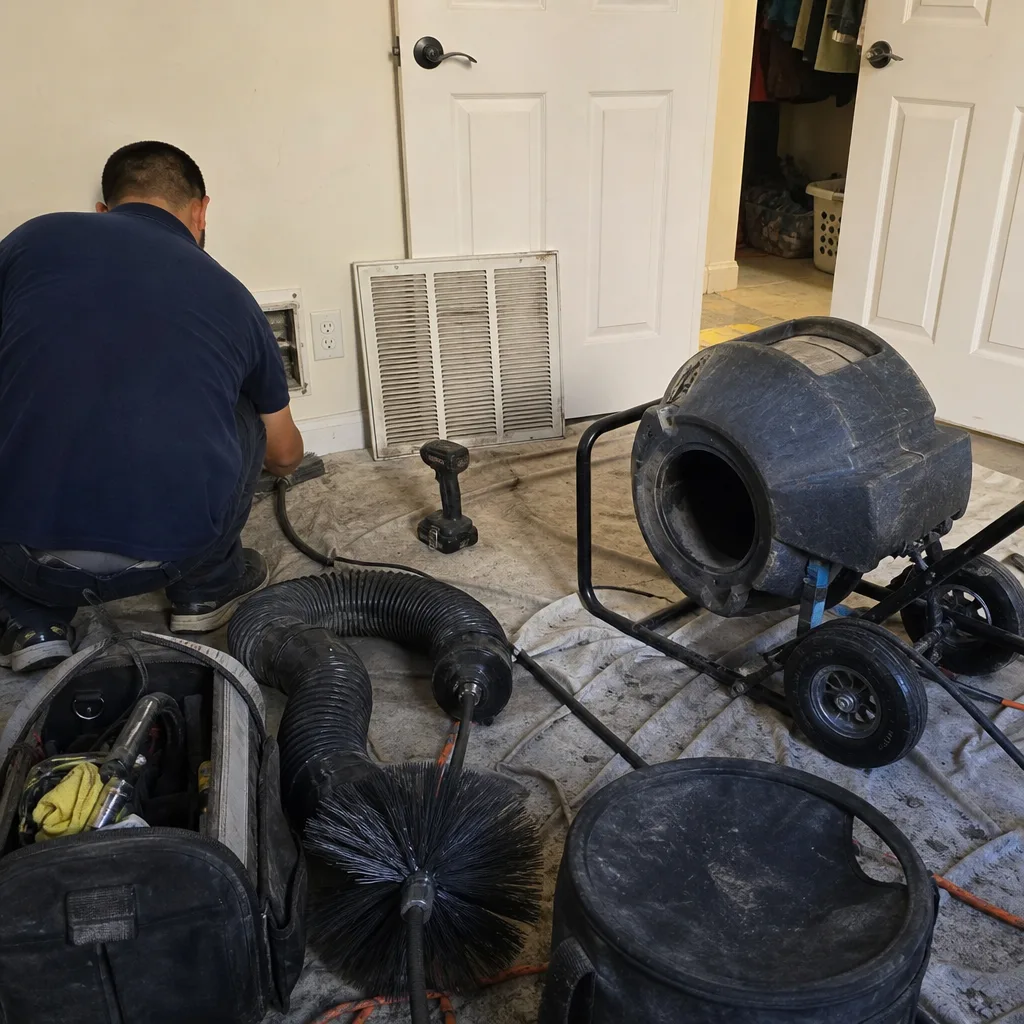 Before
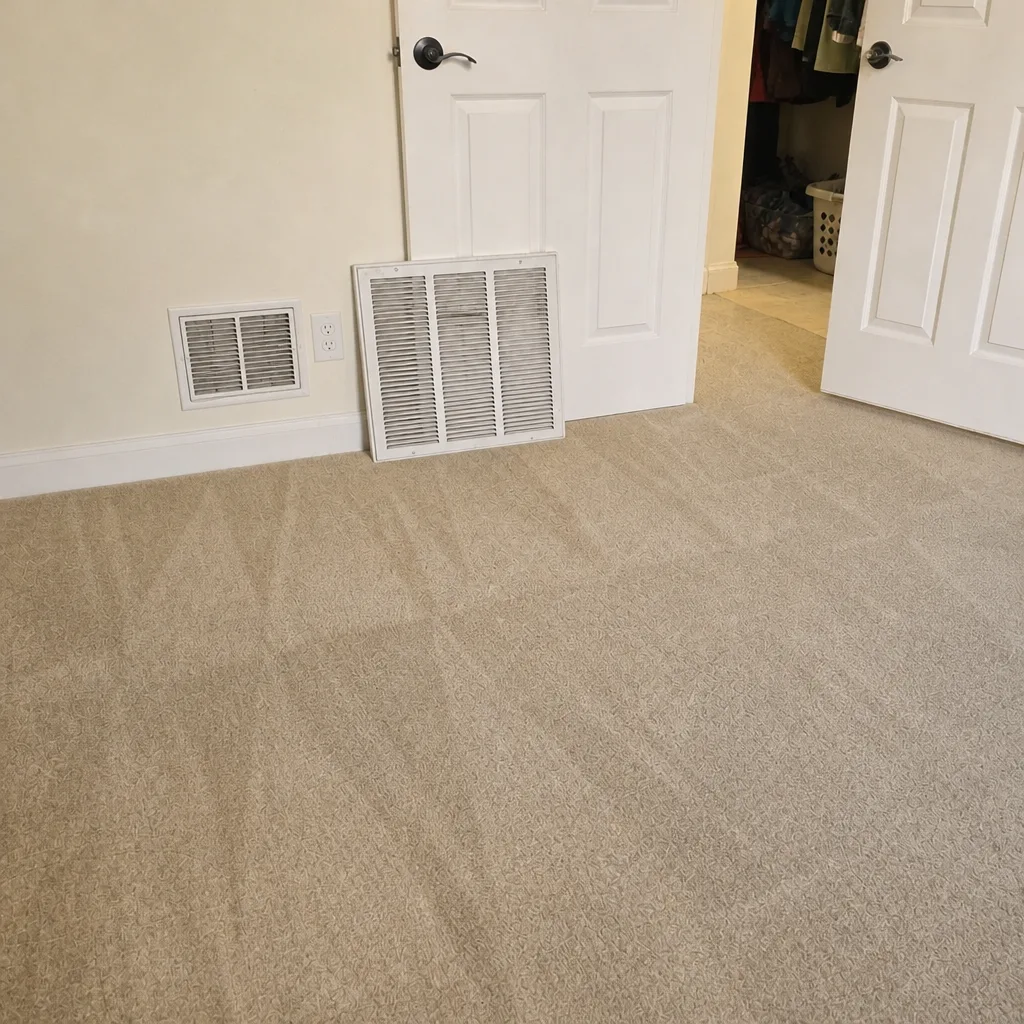 After
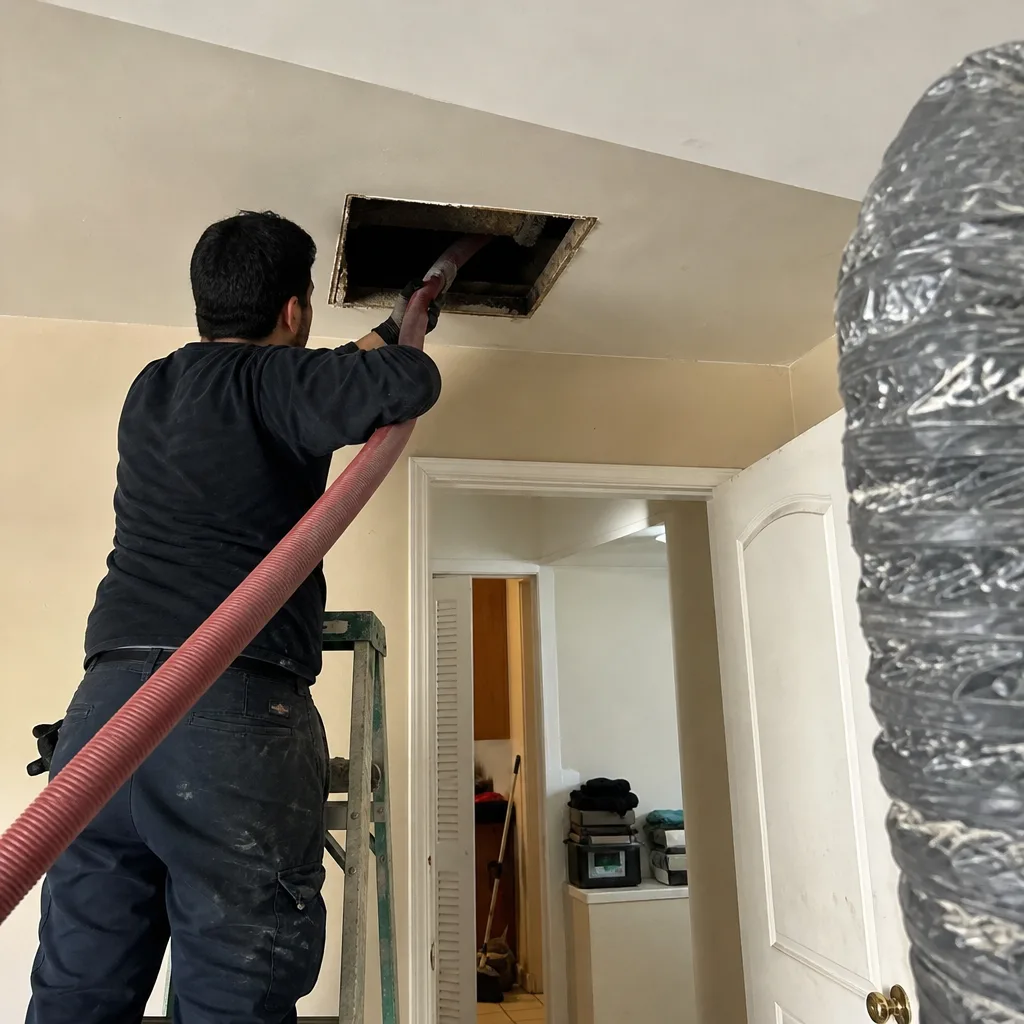 Before
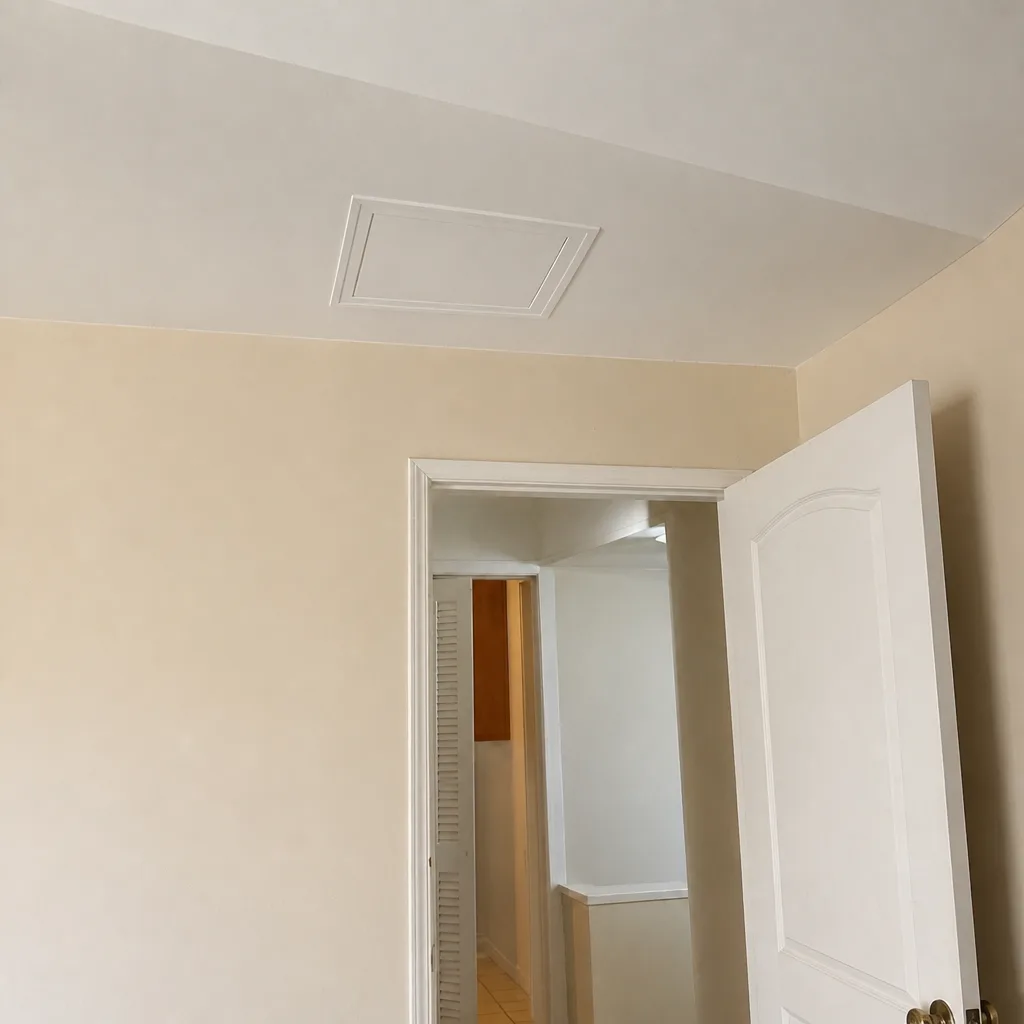 After
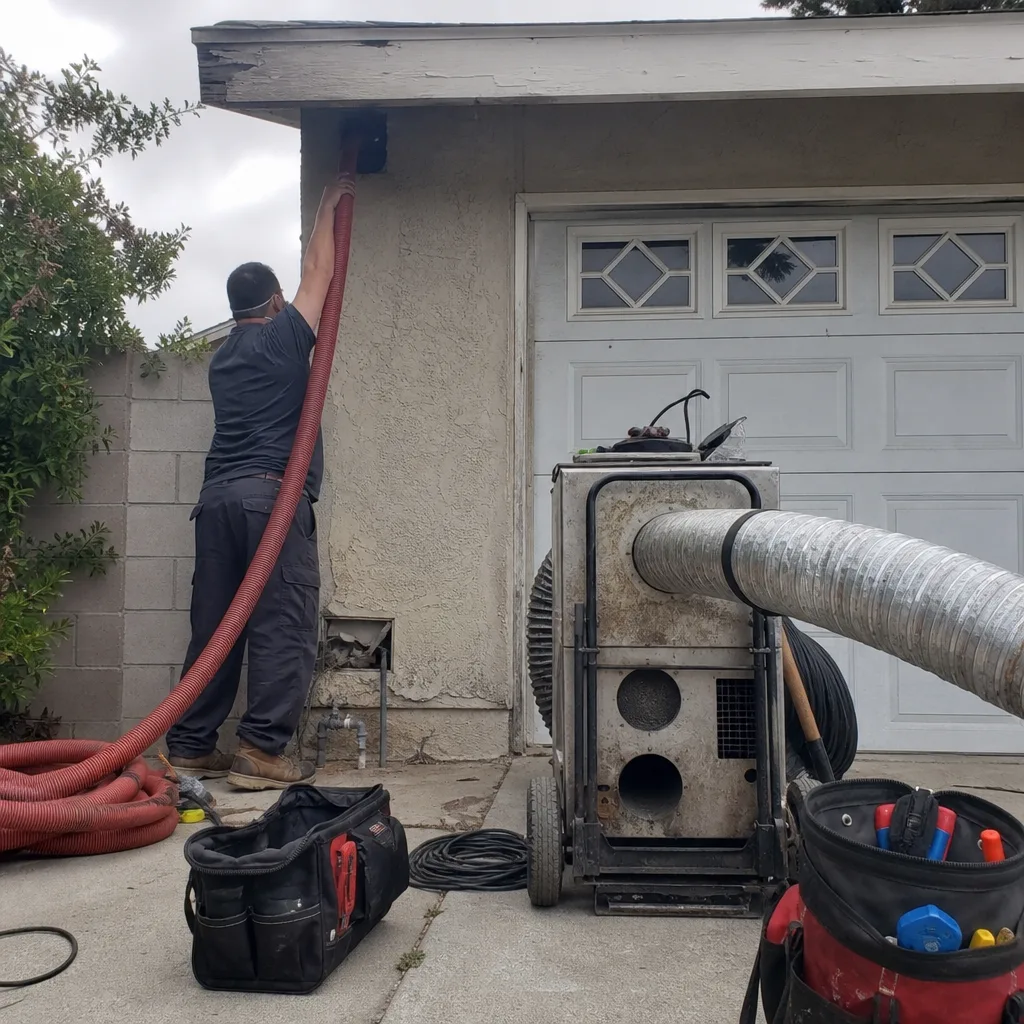 Before
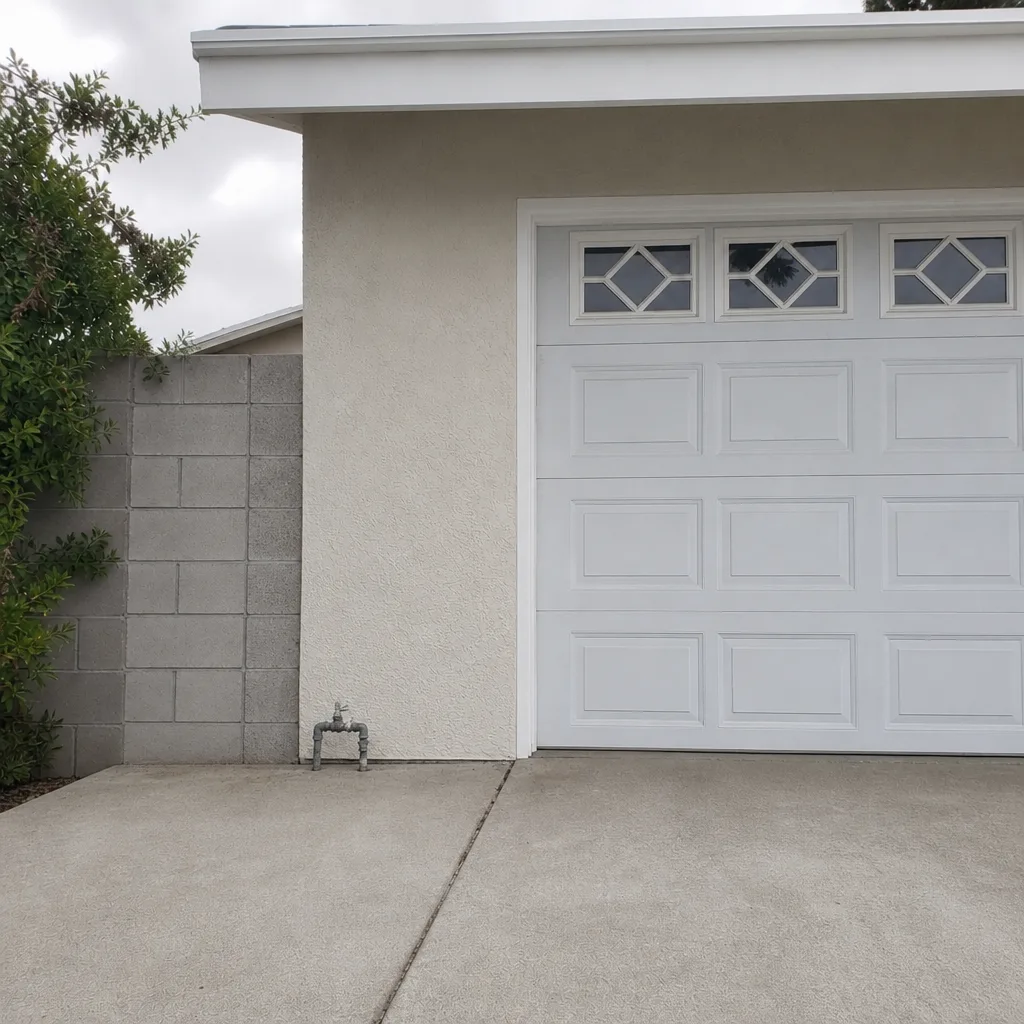 After
Common Mistakes to Avoid
- Assuming dust means dirty ducts. Dust at registers can mean a collapsed flex run, a bypassing filter, or a breached return. Diagnose before you clean, or you’ll pay twice.
- Cleaning without inspecting the return side first. If the return is leaking, new debris enters as fast as you remove the old. The leak wins every time.
- Ignoring a mechanical odor. A hot or acrid smell that builds as the system runs is an equipment problem. Running the system through it can burn out a blower motor.
- Treating construction dust as normal. A fine gray powder appearing within days, especially during nearby development in Chatsworth, points to return-air bypass. Surface cleaning won’t stop it.
- Replacing the filter without checking the slot. A filter sitting loosely in its slot lets air around it. The filter looks loaded while the system runs unfiltered.
- Waiting until every symptom appears. One reliable sign, investigated early, is cheaper than a system that’s been running compromised for a year. Early calls are cheaper calls.
Frequently Asked Questions
You have a strong case if you see dust accumulating around supply registers within days of cleaning surfaces, if the blower wheel or coil is visibly matted, or if a musty smell returns quickly after filter changes. In Chatsworth, where systems run long cooling cycles, ducts accumulate material steadily. A visual inspection through a return grille usually confirms whether the contamination is surface-level or structural.
That smell is usually organic material inside the system or ducts that holds moisture and releases odor when air first moves across it. It’s a return-side or coil-side symptom, not a supply-side dust issue. Cleaning the ducts without addressing the moisture source or the coil condition often brings the smell back within weeks. Call dryer vent cleaning if the smell seems to come from the laundry area instead, since a clogged dryer vent can back-draft into the living space.
Ducts move whatever is in them. If the system holds accumulated dust, pollen, or pet dander, it recirculates those particles every time the blower runs. Homes in Chatsworth with long cooling seasons can build up significant material. Cleaning removes the reservoir, but if the return side is leaking, new allergens enter continuously until the leak is sealed.
Most properties benefit from a professional cleaning every three to five years, with shorter intervals if you have pets, recent renovation, or a home near active construction. The frequency depends on how quickly material accumulates, which is why rapid filter loading or visible dust at registers is a better signal than a calendar date.
Low-cost quotes often come from operators using consumer-grade vacuums and limited agitation, which leaves most of the material adhered to the duct walls. Professional-grade equipment like Rotobrush and Nikro systems physically dislodges and extracts the debris rather than loosening the surface layer. The lower quote usually reflects a shorter process and less complete extraction. Ask what equipment they run before comparing prices.
That points to a return-side leak rather than dirty supply ducts. The cleaning removed what was there, and the system immediately pulled in new material from an attic or crawl space breach. Have the return path inspected and sealed, then reassess. The cleaning wasn’t wasted; it exposed the real problem.
The Bottom Line
Warning signs are clues, not conclusions. Dust at a register, a musty startup smell, a filter that loads in three weeks, or a room that never reaches temperature: each points somewhere specific, and the right response is different in each case. The sequence that works is inspection first, diagnosis second, and treatment third. Cleaning addresses what’s accumulated. Sealing and repair address what’s still coming in. In Chatsworth, with its long cooling seasons and ongoing construction, both halves of the equation matter. Know what you’re seeing, describe it precisely, and call a specialist who runs professional-grade equipment rather than a shop-vac and a coupon.
Written by the team at Duct Cleaning Chatsworth, serving Chatsworth since 2017.