
Last updated November 4, 2026
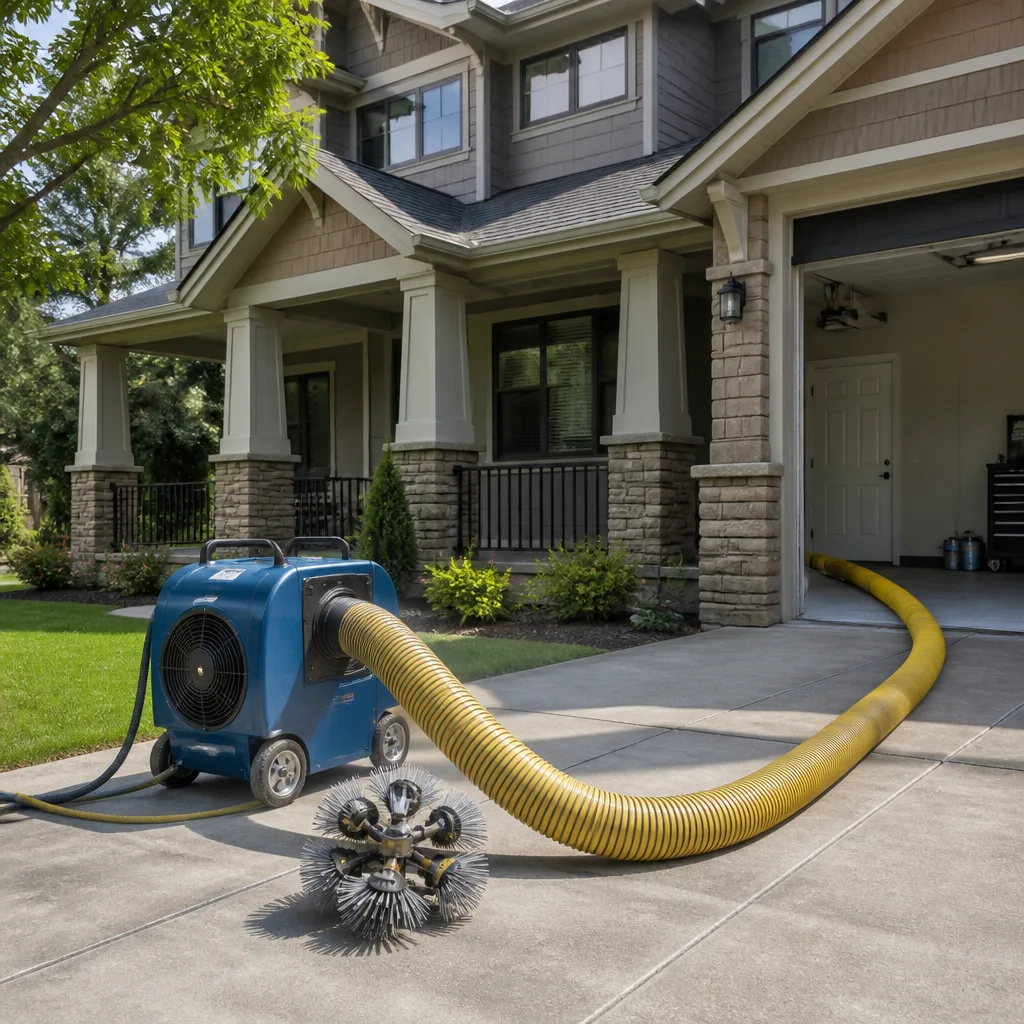 Whole-home duct cleaning
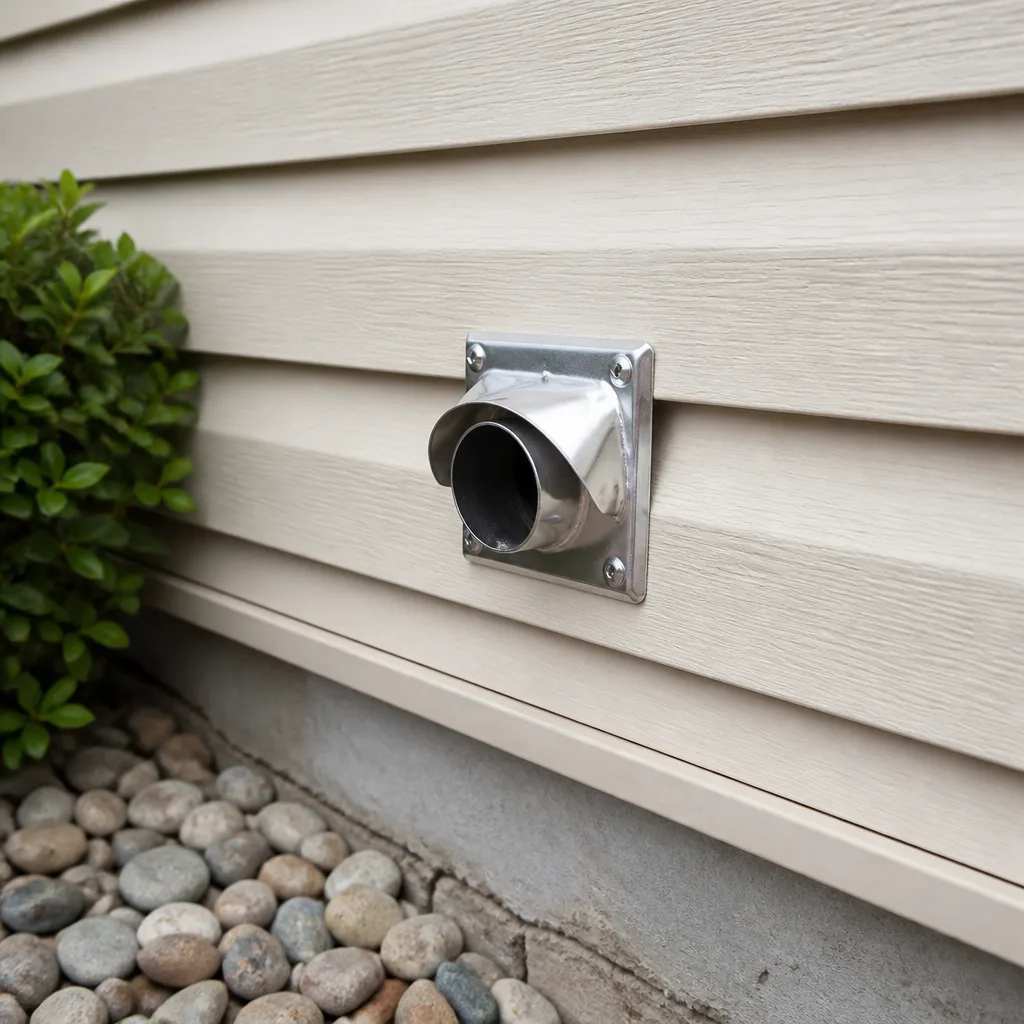 Dryer vent cleaning
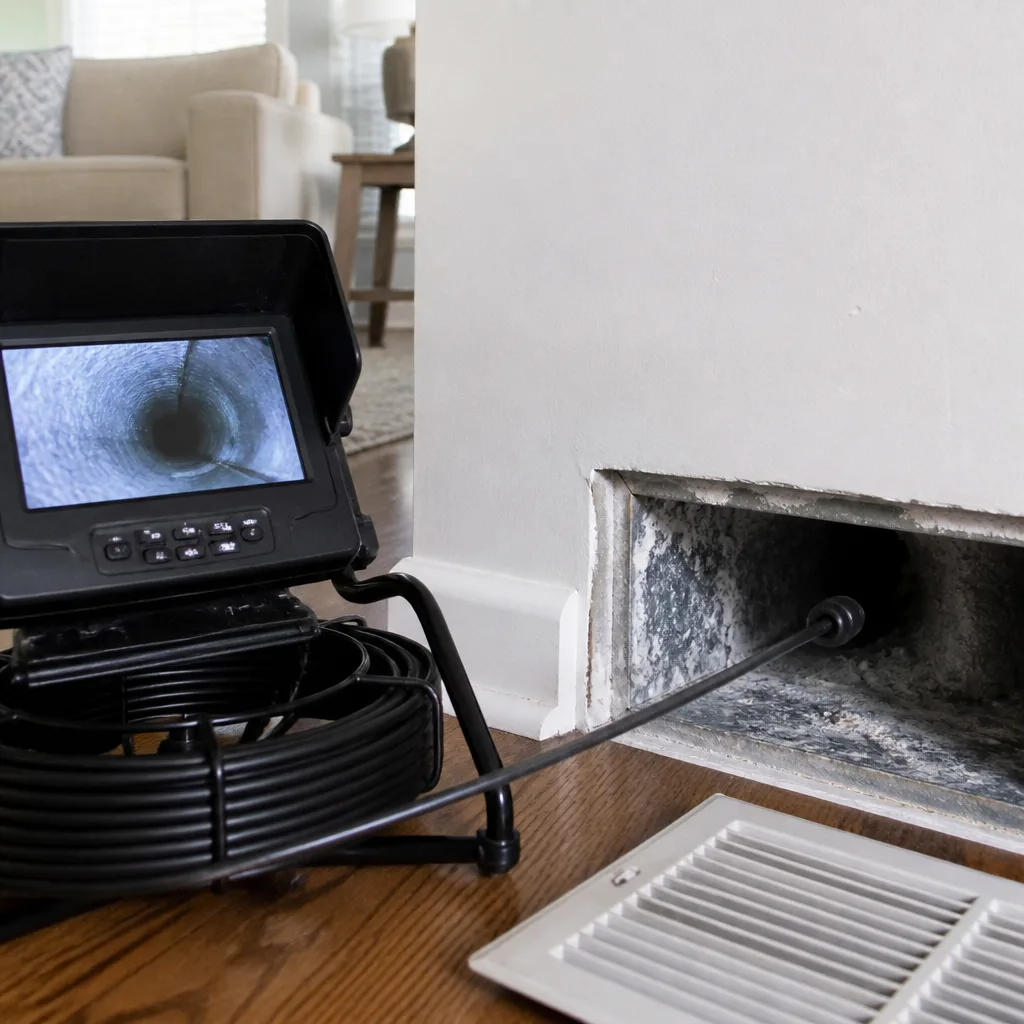 Camera inspection
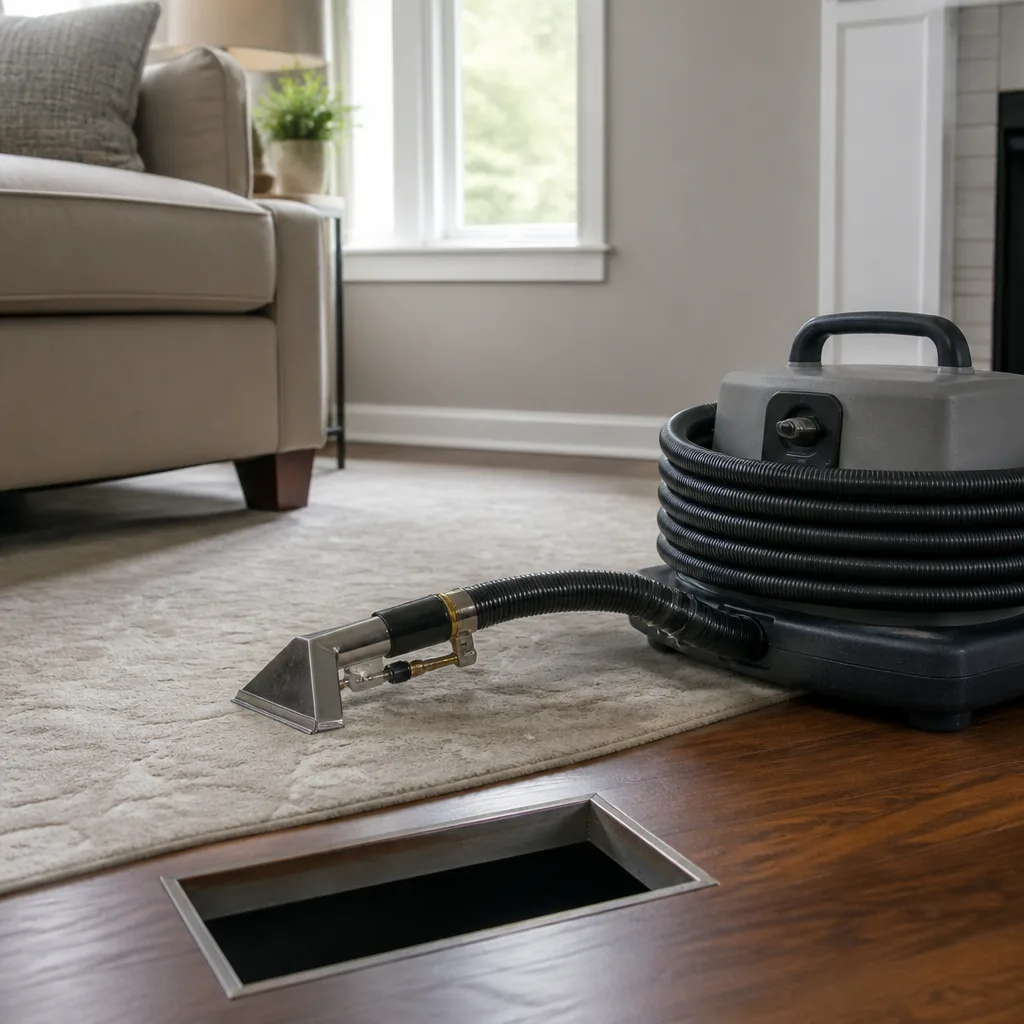 Sanitizing & deodorizing
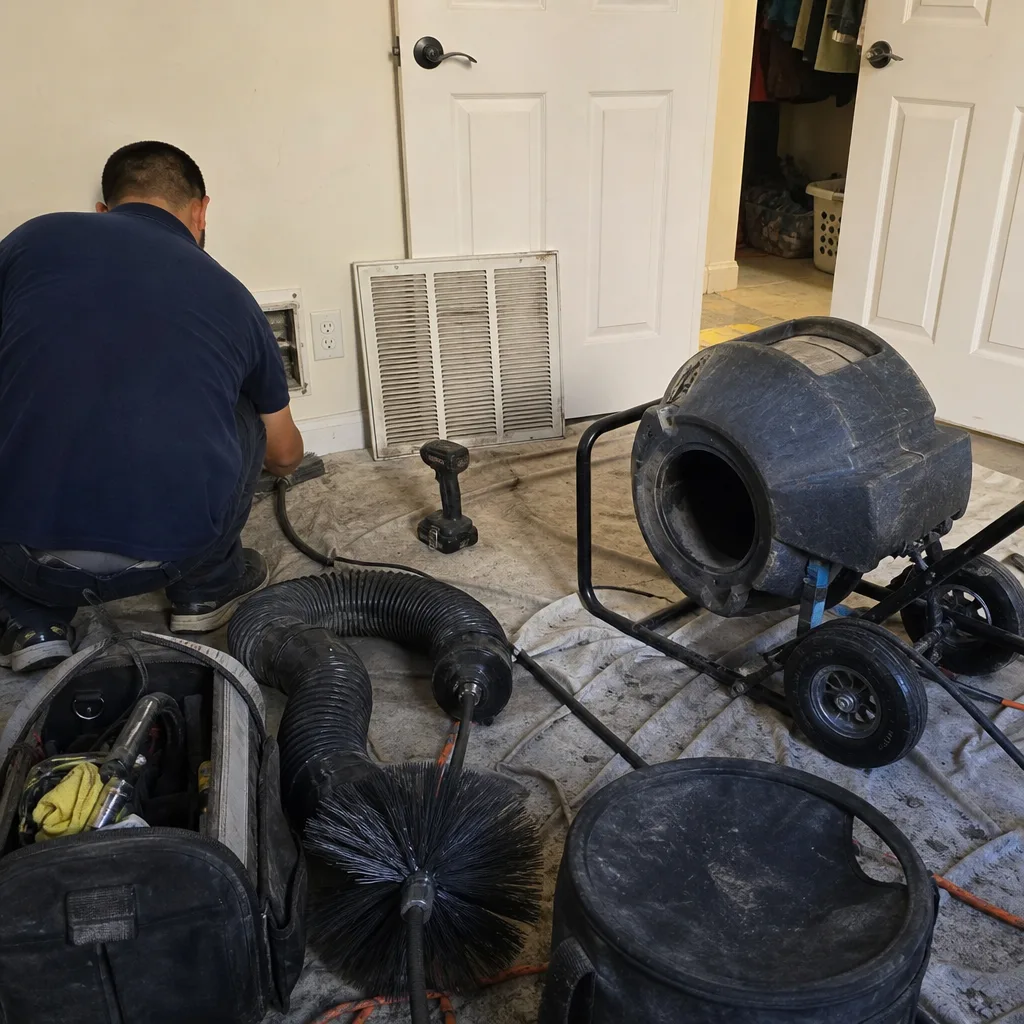
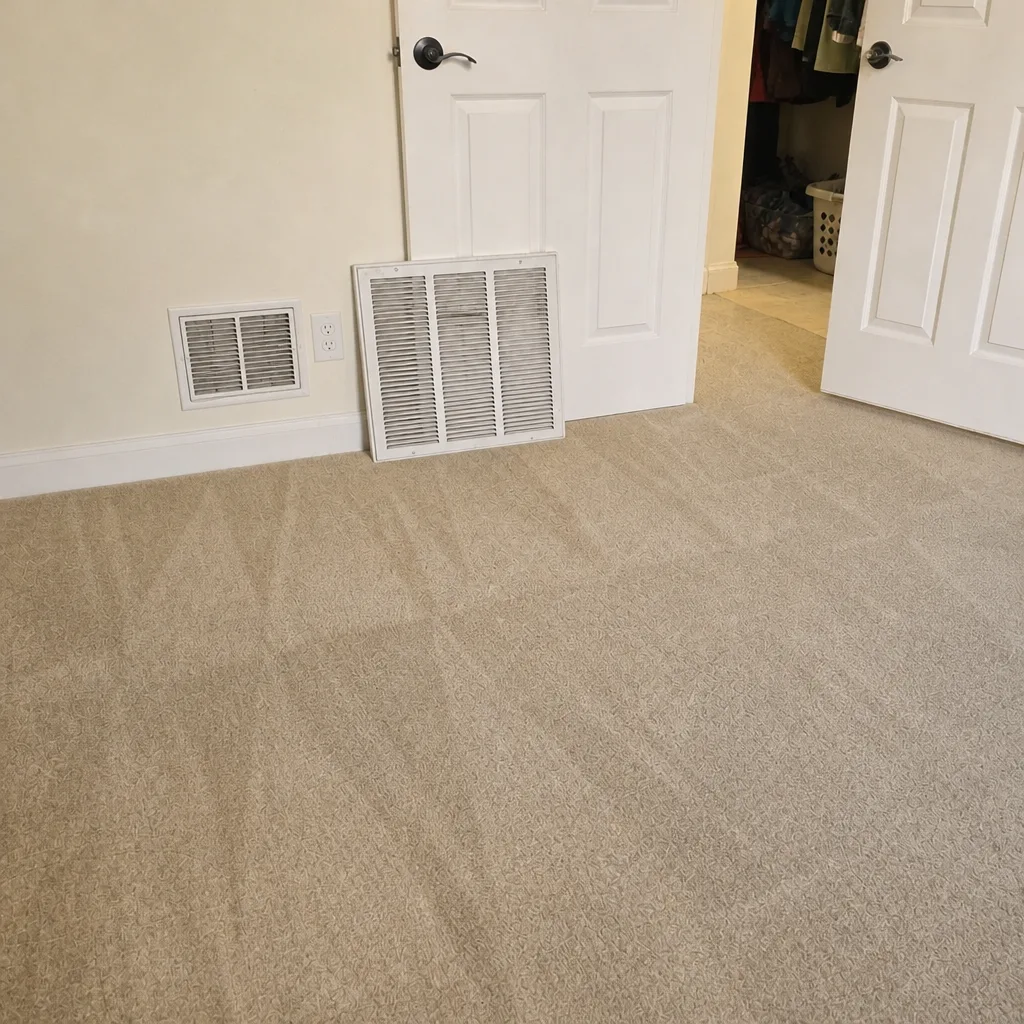
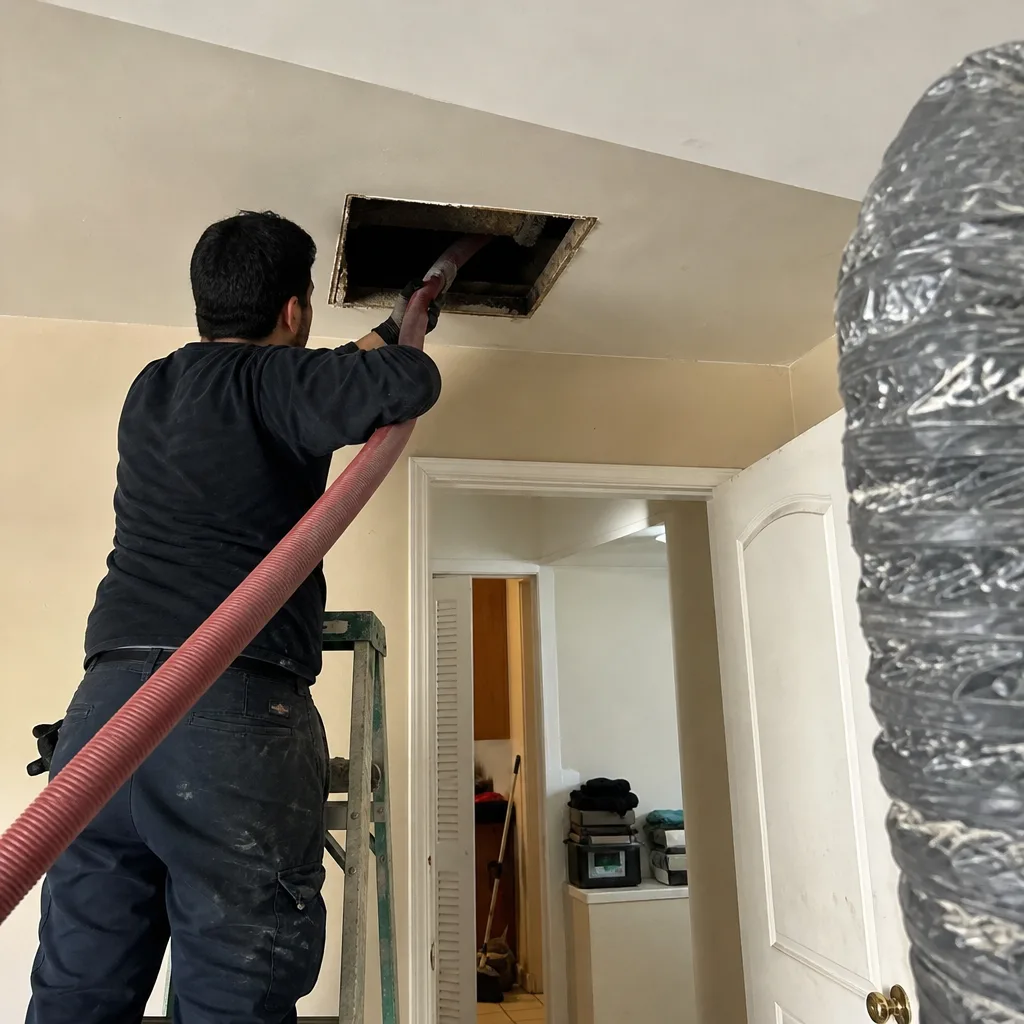
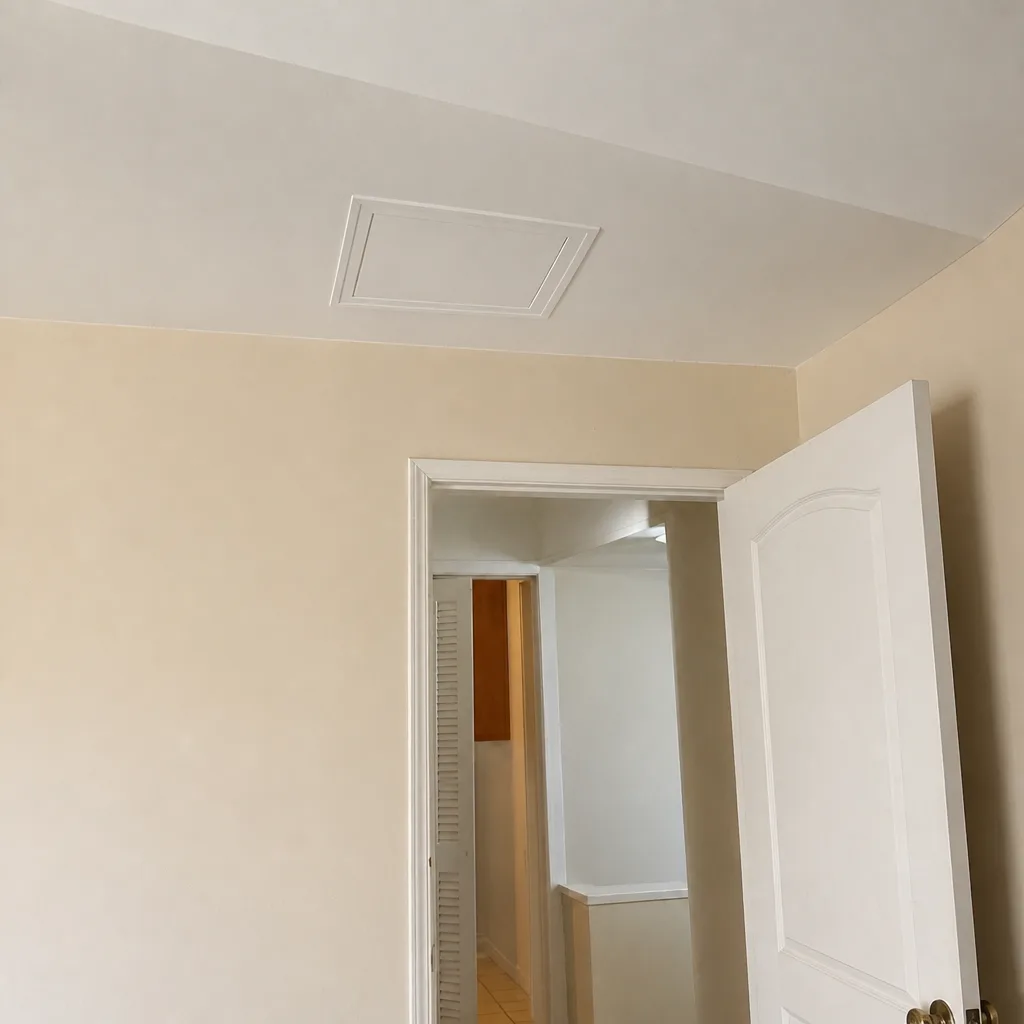
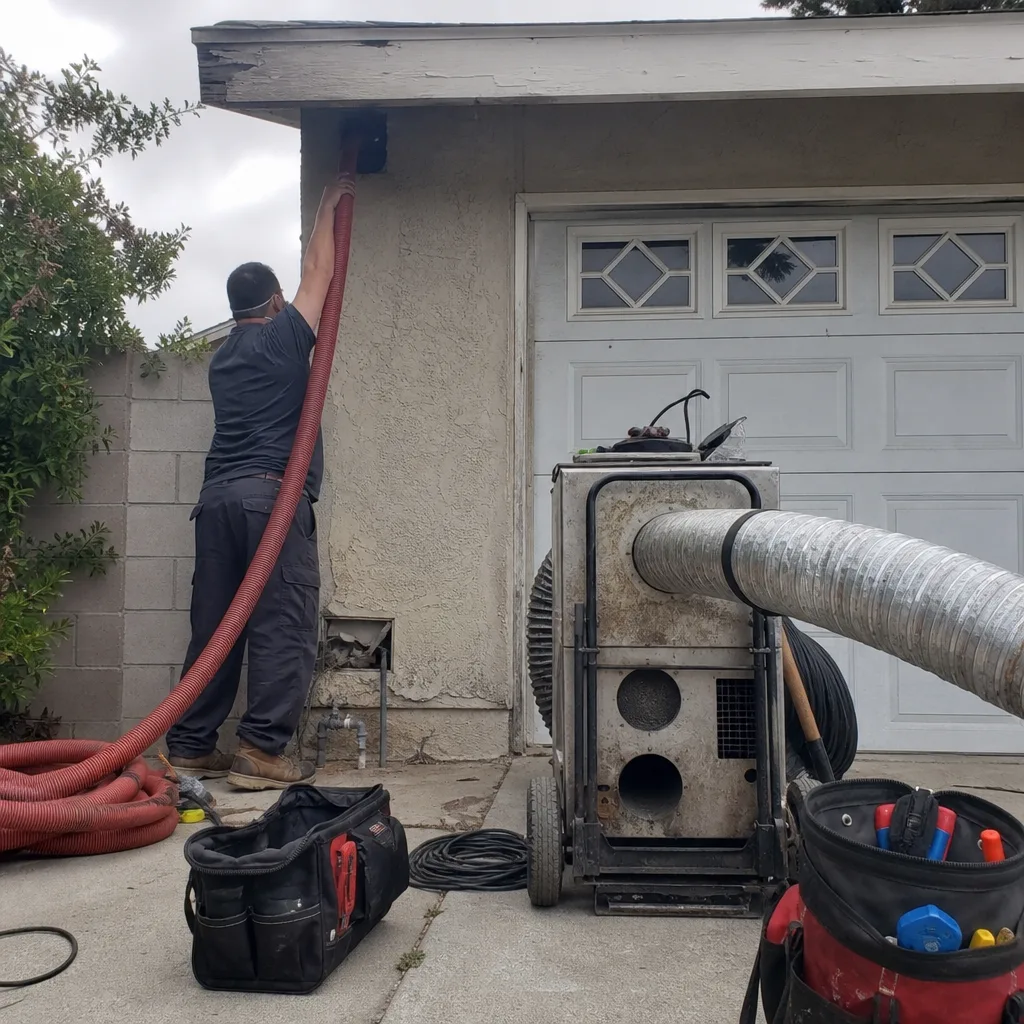
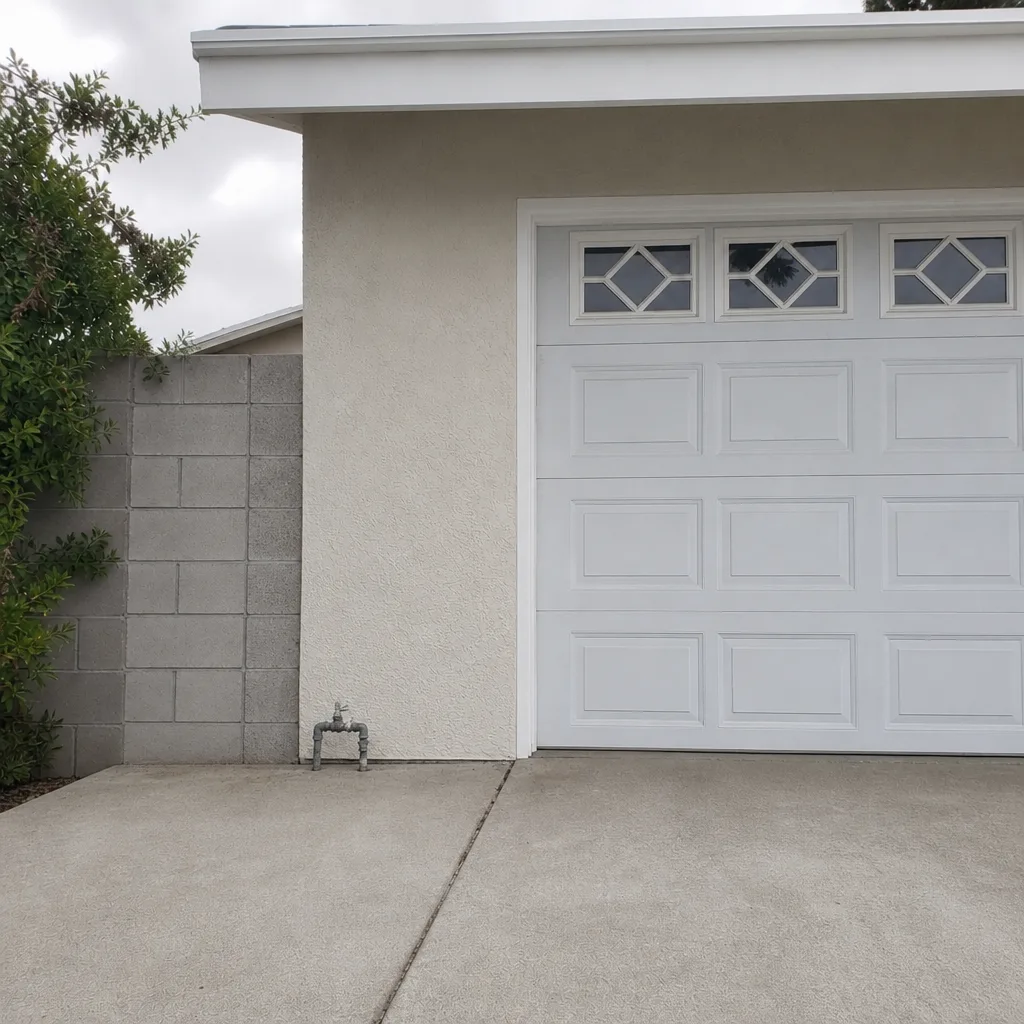
Whole-system duct and dryer vent check with before-and-after photos - you see exactly what came out of your vents
That "$99 whole-house special" is a bait ad - the real number appears once they are in your hallway, or the "clean" is a shop-vac at the register. We photograph the inside of your ducts before and after instead.
Choosing the Right Air Duct Cleaning Brand: A Buyer’s Guide for Chatsworth
The truck parked in your driveway tells you nothing. It’s a white van with a logo, same as the next one. The equipment name on the machine going into your duct system, though, tells you exactly what standard of work you paid for. Most homeowners in Chatsworth never think to ask. This guide shows you how to ask about equipment brands, interpret the answers, and spot the difference between a specialist who invested in professional-grade tools and an operator running a big-box vacuum with a marketing budget.
Styles & brands we work with
- Whole-home duct cleaning
- Dryer vent cleaning
- Camera inspection
- Sanitizing & deodorizing
Quick Answer
The best air duct cleaning company in Chatsworth CA is one that runs name-brand, industry-recognized equipment such as Rotobrush, Nikro, or Abatement Technologies machines rather than consumer-grade vacuums, and that can answer specific questions about negative air pressure, containment, and inspection. A company’s tool investment is the most reliable signal the business is structured around duct cleaning as a core service, not a side upsell. Ask about equipment before you book, and listen for a direct, confident answer.
Table of Contents
- Why Equipment Brands Matter in Duct Cleaning
- The Recognized Professional Equipment Brands in the IAQ Industry
- Truck-Mounted vs. Portable Negative-Air Systems: What Suits Chatsworth Homes
- How to Ask a Contractor About Equipment Before Booking
- Why Equipment Investment Correlates with Business Model
- What NADCA Membership and ACR Standards Mean in Practice
- Chatsworth-Specific Factors That Affect Duct Cleaning Approach
- Common Mistakes to Avoid
- When to Call a Professional
- Frequently Asked Questions
- The Bottom Line
Why Equipment Brands Matter in Duct Cleaning
Duct cleaning looks simple from the outside. A hose goes into a vent, a machine runs, dust disappears. That surface simplicity hides a wide gap between what different companies actually do. The difference starts with the machine doing the work.
Consumer-grade equipment moves air. It can pull loose dust out of the first few feet of a duct. It cannot create the negative air pressure required to dislodge and capture the debris bonded to duct walls, the accumulations in the trunk line, or the material packed around bends and transitions. That requires professional-grade negative air machines, typically rated in the thousands of cubic feet per minute, paired with agitation tools that break debris loose inside the duct while the airflow carries it to a HEPA-filtered collection point.
When a company in Chatsworth shows up with equipment from Rotobrush, Nikro, or Abatement Technologies, you’re looking at a capital investment that starts in the tens of thousands of dollars. That’s a business decision. A company does not spend that money if duct cleaning is a side offering tacked onto carpet cleaning or general handyman work. The tool investment says the company’s revenue model depends on doing duct work repeatedly and doing it well enough to survive on referrals.
The equipment name also tells you something about process. Rotobrush systems combine rotary agitation brushes with vacuum collection in a single pass. Nikro builds portable HEPA-filtered negative air machines used in remediation work. Abatement Technologies produces containment and air-scrubbing equipment for environments with contaminated particulate. Each brand exists because a specific type of professional needed a specific capability. When you hear those names, you’re hearing the language of the indoor air quality industry, not the language of a general cleaning franchise.
In our experience working across Chatsworth, the homeowners who ask about equipment are the ones who end up satisfied with the result. The ones who ask only about price are the ones who call us later to fix a partial cleaning.
The Recognized Professional Equipment Brands in the IAQ Industry
Three names dominate professional duct cleaning equipment in North America: Rotobrush, Nikro Industries, and Abatement Technologies. Each serves a distinct function, and each carries meaning when it appears on a job.
Rotobrush is the most recognized name in residential duct cleaning. The company’s systems pair a rotary brush that spins inside the duct with a vacuum that pulls loosened debris out in the same pass. The brush agitates dust, pet hair, and construction debris off duct walls. The vacuum captures it. Rotobrush equipment is what many NADCA-aligned companies run for standard residential cleaning because it’s purpose-built for the task, portable enough for single-family homes, and consistent in output.
Nikro Industries builds portable HEPA-filtered negative air machines and air scrubbers. These are not duct-cleaning machines per se; they’re the machines that create the controlled airflow environment a proper duct cleaning needs. In contaminated duct environments, a Nikro unit maintains negative pressure inside the duct system while cleaning happens, preventing particulate from escaping into living spaces. The presence of this equipment signals a company prepared for more than routine dust removal.
Abatement Technologies is known for containment and air scrubbing equipment used in mold remediation, asbestos abatement, and contaminated construction environments. A duct cleaning company that keeps Abatement equipment on hand is signaling capability to handle compromised duct environments where the particulate is more than ordinary household dust. It’s the difference between a company equipped for routine maintenance and one equipped for intervention.
These brands exist because professional duct cleaning is a specialized trade with equipment requirements that consumer tools cannot meet. When a Chatsworth homeowner hears these names, they’re hearing evidence that the company operates in the professional IAQ ecosystem, not the general cleaning ecosystem.
It’s worth noting what these brands are not: they are not exclusive to any single company. Any legitimate duct cleaning firm can purchase Rotobrush, Nikro, or Abatement equipment. The names matter because they represent a standard of equipment, not because they’re proprietary or rare.
Truck-Mounted vs. Portable Negative-Air Systems: What Suits Chatsworth Homes
Duct cleaning equipment falls into two broad categories: truck-mounted vacuum systems and portable negative-air machines. Both have legitimate uses, but Chatsworth’s housing stock tilts the practical decision in a specific direction.
Truck-mounted systems house a large vacuum unit in the vehicle, connected to the home’s duct system through a long hose running from the truck to the furnace or a main trunk line. These systems generate significant airflow and are efficient for large commercial spaces or homes with long duct runs. They also make sense where access to the main trunk line is straightforward.
Portable systems, like the Rotobrush and Nikro units referenced above, bring the vacuum and agitation equipment directly to each register and return inside the home. The technician moves room to room, cleaning each branch line at the source.
Chatsworth’s housing stock is dominated by single-story ranch homes built primarily between the 1950s and 1980s, with attic-mounted horizontal furnaces and flexible duct runs branching from a central trunk. These configurations typically have shorter duct runs than two-story homes, with the main trunk accessible from the attic. A portable system that cleans each branch at the register is well suited to this layout because the technician can work the entire system without running a large-diameter hose from a truck through the house.
Two-story homes in Chatsworth, particularly in gated communities like Indian Springs or the newer developments around the 118 corridor, often have vertical furnace closets with ductwork running through interior walls. These systems can have longer vertical runs where strong vacuum airflow helps pull debris upward against gravity. Here, the higher sustained airflow of a larger machine can matter.
The practical takeaway: ask what type of system a company uses and why. A company that can explain why they chose portable versus truck-mounted equipment for Chatsworth’s typical ranch layout understands the trade. A company that can’t answer the question is signaling they haven’t thought about it.
How to Ask a Contractor About Equipment Before Booking
Most homeowners never ask about equipment because they don’t know what to ask. Here are the specific questions to put to any duct cleaning company you’re considering in Chatsworth, and what a confident, knowledgeable answer sounds like compared to a deflection.
- “What brand of equipment do you use for the cleaning itself?” A direct answer names a professional brand: Rotobrush, Nikro, Abatement Technologies, or an equivalent commercial-grade line. A deflection sounds like “industrial-strength equipment” without a brand, or “the latest technology” without a name. If a company owns professional equipment, naming it costs nothing.
- “Do you use negative air pressure or just a vacuum?” The correct answer involves negative pressure or, at minimum, a system designed to capture debris while agitating it. A company that says “we just use a big vacuum” is describing dust removal, not duct cleaning. The distinction matters because duct cleaning requires dislodging debris bonded to duct walls, not just sucking loose dust from the first accessible inches.
- “What kind of filtration is on your equipment?” Professional machines use HEPA or HEPA-equivalent filtration to capture fine particulate. Consumer shop vacs do not. If the answer doesn’t include filtration specifics, the system is likely moving fine particles around rather than capturing them.
- “How do you access and clean the main trunk line?” A professional answer describes cutting or using an existing access point at the trunk line, running agitation through it, and capturing debris under negative pressure. A vague answer about cleaning “from the vents” suggests the main trunk, which carries the most debris, may never be addressed.
- “What do you do if you find damaged ducts during cleaning?” Most cleaning-only companies will tell you to call an HVAC contractor. A company that offers air duct repair as part of its service will describe inspection and remediation of separated joints, crushed flex runs, or damaged sections. This question reveals whether the company can finish the job or only clean around problems. Air duct repair capability means one call addresses both dirty and damaged ductwork.
Change article count to 1. If it turns out to be an AI problem, it’s a bug. Don’t change the question answer.
Why Equipment Investment Correlates with Business Model
The equipment a company owns tells you more about its business model than its website copy ever will. Capital investment follows revenue. A company that spends $30,000 to $60,000 on professional duct cleaning equipment has made a bet that duct cleaning revenue will repay that investment. That bet only pays off if duct cleaning is a core service, performed regularly, at a volume that justifies the spend.
Contrast that with a generalist who arrives with a consumer-grade vacuum and a rotating brush attachment. The equipment investment is a few hundred dollars. Duct cleaning is an upsell from another service, something offered because a customer is already on the phone. The business survives whether or not the duct cleaning is thorough, because duct cleaning is a fraction of its revenue.
This dynamic affects how the work is performed. A specialist whose business depends on duct cleaning referrals approaches each job with the expectation of a repeat customer. The cleaning has to be demonstrably thorough. Before-and-after photos are standard practice, because the specialist needs proof the work was done to justify the price. The generalist has no such incentive; the duct cleaning is a one-time transaction bolted onto another service.
The same logic applies to related capabilities. A company that stocks and services air quality systems from Honeywell and Aprilaire is thinking about long-term indoor air quality, not just a one-time cleaning visit. That’s a different business model than a company that only cleans ducts and walks away. It means the company can discuss filtration, humidity control, and ongoing air quality management as part of the cleaning conversation.
For Chatsworth homeowners, this matters because the valley’s air quality presents ongoing challenges. Dust from the Santa Susana Pass and surrounding hills, construction particulate from ongoing development, and the high-desert air that settles into the valley all contribute to duct loading. A specialist who sees the duct system as part of a broader IAQ picture can address the source, not just the symptom.
Duct Cleaning Chatsworth positions itself around this specialized model. The equipment investment, the narrow three-service focus on cleaning, dryer vent care, and repair, and the IAQ product familiarity all point to a company structured around duct systems rather than dabbling in them.
What NADCA Membership and ACR Standards Mean in Practice
NADCA, the National Air Duct Cleaners Association, maintains the industry standard for HVAC system cleaning: the ACR, or Assessment, Cleaning, and Restoration of HVAC Systems standard. Membership and a NADCA-aligned process matter, but homeowners should understand what they do and don’t signify.
NADCA is a trade association, not a licensing body or government regulator. Membership means a company pays dues and agrees to follow NADCA’s published standards. There is no government enforcement behind NADCA standards; adherence is voluntary and reputational. That said, NADCA is the only widely recognized standard-setting body specific to HVAC cleaning, and companies that follow the ACR standard have made a procedural commitment most operators never bother with.
The ACR standard defines what a proper cleaning involves: source removal, not just surface dusting. It specifies that cleaning should address all components of the air conveyance system, including supply and return ducts, coils, blower motor and housing, drain pan, registers, grilles, and the air handler. It also specifies that cleaning should be followed by inspection to verify results.
In practice, a NADCA-aligned cleaning involves a process that looks like this: assessment of the existing condition with inspection cameras, pre-cleaning containment or negative pressure setup, mechanical agitation of duct surfaces, collection with HEPA-filtered vacuum equipment, cleaning of system components, and post-cleaning inspection. That’s a specific sequence of steps, not a general “we ran a vacuum through the vents” visit.
When a Chatsworth homeowner calls a company, asking about NADCA and ACR alignment is reasonable. A knowledgeable answer references the process: assessment, source removal, post-cleaning verification. A company that cannot describe the process in its own words, regardless of any logo on its website, has not integrated the standard into daily work.
The professional equipment brands referenced throughout this guide exist in part because NADCA-aligned protocols call for specific capabilities: negative air pressure, HEPA filtration, mechanical agitation, and post-cleaning inspection. The equipment and the standard go together.
Chatsworth-Specific Factors That Affect Duct Cleaning Approach
Chatsworth’s geography, climate, and housing stock create specific duct conditions that a knowledgeable local company should understand and address. These factors distinguish a Chatsworth specialist from a franchise that applies the same playbook everywhere.
The Chatsworth climate is hot and dry for most of the year, with mild winters and intense summer heat that keeps air conditioners running for months at a time. Long cooling seasons mean constant airflow through ducts, which means more particulate deposition over time. Dry air also keeps debris loose and friable rather than moist and compacted, which affects how it behaves during cleaning.
The local terrain contributes a specific type of particulate. Chatsworth sits against the Santa Susana Pass, with rocky hillsides, chaparral, and dry brush that generates fine organic dust. Santa Ana wind events push dry, dusty air through the area. Construction activity, both residential and along the commercial corridors near the 118, adds silica and gypsum dust. All of it ends up in duct systems to some degree.
The housing stock has its own characteristics. Many of Chatsworth’s ranch homes from the 1960s and 1970s have original ductwork that’s now 50 to 60 years old. Flex duct from that era degrades; aluminum tape dries out and separates; crushed sections from attic storage or animal intrusion are common. A cleaning that doesn’t include inspection for these conditions leaves problems in place.
This is where air duct repair capability matters. Clean ducts are the start; sealed, repaired ducts are the finish. If a cleaning reveals separated joints or damaged sections, a company that can address them on the spot saves the homeowner from coordinating a second vendor. Chatsworth’s older housing stock makes this scenario more likely than in newer developments.
Air duct cleaning in this environment benefits from a company that knows what Chatsworth dust looks like, what 50-year-old flex duct looks like, and what to do when one reveals problems in the other.
Common Mistakes to Avoid
- Choosing by price alone. The cheapest bid in Chatsworth is often a company running consumer-grade equipment with a per-vent upsell model. Professional equipment costs money to own and operate; that cost is reflected in honest whole-system pricing, not a teaser figure that grows after the van arrives. The final invoice from a thorough cleaning is predictable; the final invoice from a low-bid operator often isn’t.
- Accepting vague equipment answers. “Commercial-grade” and “industrial-strength” without a brand name are deflections. Every serious company can name its equipment. If they won’t, treat the omission as an answer.
- Confusing a furnace tune-up with duct cleaning. An HVAC company that services the furnace is not automatically cleaning the duct system. These are separate tasks requiring separate tools and processes. Ask specifically what happens to the interior of the duct runs, not just the blower compartment.
- Skipping the post-cleaning inspection. A proper job ends with verification: photos, camera inspection, or both. If a company doesn’t offer before-and-after documentation in Chatsworth, you have no way to confirm work was actually done inside walls and attic spaces that you’ll never see.
- Ignoring the dryer vent. Dryer vents are a fire hazard, not a convenience issue. A company that treats dryer vent cleaning as a serious standalone safety service is signaling the same systematic approach it applies to ducts. A company that mentions it as an afterthought is treating a fire risk as an upsell.
- Overlooking damaged ductwork. Some companies will clean around separated joints, crushed flex runs, and disconnected sections without mentioning them. A cleaning that leaves compromised ducts in place is incomplete. Ask upfront what happens when damage is found during the work.
- Assuming all duct systems are the same. A two-story home with interior vertical duct runs has different access and airflow characteristics than a single-story Chatsworth ranch with attic-mounted ductwork. Ask the company to describe how they’ll access your specific configuration. A confident answer demonstrates experience with your type of home.
When to Call a Professional
There are specific moments when calling a duct cleaning professional is the right move rather than waiting. If you’ve recently completed a renovation in Chatsworth, construction dust is throughout the system and should be removed before you keep circulating it. If anyone in the house has developed unexplained allergy symptoms that improve away from home, the duct system is worth investigating. If your vents are visible with dust accumulation or you can see debris inside the register openings, the system is loaded beyond what filters can address. If your dryer consistently takes longer than 45 minutes to dry a normal load, the vent is restricted and a cleaning addresses a fire risk, not just an inconvenience. If you’ve never had the ducts cleaned in a home you’ve owned for five or more years, you’re operating without a baseline. Duct Cleaning Chatsworth offers free estimates in Chatsworth, so call (888) 494-4745 to schedule an assessment without commitment.
Frequently Asked Questions
How do I know if a duct cleaning company in Chatsworth is using reliable equipment?
Ask for the equipment brand by name. A reliable company will say Rotobrush, Nikro, Abatement Technologies, or an equivalent professional line without hesitation. A company that can’t name its equipment or responds with generic terms like “commercial-grade” is likely running consumer tools. The equipment name is the single fastest credibility check available.
What’s the difference between a cheap duct cleaning and a professional one in Chatsworth?
A cheap cleaning typically uses a consumer-grade vacuum at the registers and addresses only loose dust in the first few feet of each branch line. A professional cleaning in Chatsworth uses negative-air equipment with HEPA filtration, agitates debris from the full duct runs and main trunk, cleans the air handler components, and verifies results with post-cleaning inspection. The difference is between surface dust removal and source removal throughout the system.
Should I choose a company that offers air duct repair along with cleaning?
Yes, if your home is older or you suspect duct issues. Many Chatsworth homes have ductwork from the 1960s and 1970s. Separated joints, crushed flex runs, and failing tape are common findings during cleaning. A company that offers air duct repair can address these issues in the same visit. A cleaning-only company will identify problems and leave them for another contractor.
How often should ducts be cleaned in Chatsworth’s climate?
Most Chatsworth homes benefit from professional cleaning every three to five years. The long cooling season, dry Santa Ana conditions, hillside dust, and ongoing construction particulate all contribute to faster duct loading than coastal or cooler climates. Homes with pets, recent renovations, or allergy-sensitive residents may need more frequent attention.
What equipment brands should I recognize when a Chatsworth company describes its process?
The three names that carry the most weight in professional IAQ work are Rotobrush, for rotary agitation and collection; Nikro, for HEPA-filtered negative air machines; and Abatement Technologies, for containment and air scrubbing in compromised environments. Any of these names on a job signals professional-grade capability. Their absence, combined with vague equipment claims, is a red flag.
Does NADCA certification guarantee a good duct cleaning in Chatsworth?
No certification guarantees a result, but NADCA membership and ACR-standard adherence are the strongest procedural signals available in the duct cleaning industry. A company following the ACR standard commits to source removal, component cleaning, and post-cleaning verification. Ask the company to describe its process in its own words. A genuine NADCA-aligned company can explain assessment, containment, agitation, collection, and verification without reading a script. Call (888) 494-4745 to ask us directly.
The Bottom Line
Choosing an air duct cleaning company in Chatsworth comes down to asking about equipment and listening carefully to the answer. Name-brand professional equipment from Rotobrush, Nikro, or Abatement Technologies signals a business built around duct cleaning, not a side service. Portable negative-air systems suit Chatsworth’s typical ranch layouts, while truck-mounted systems have their place in larger or multi-story configurations. NADCA-aligned process matters more than logos, and repair capability turns a cleaning into a complete service. Ask specific questions, expect direct answers, and choose the company that can describe its tools and process without deflection.
Written by the team at Duct Cleaning Chatsworth, serving Chatsworth since 2017.
See the difference
 Before
 After
 Before
 After
 Before
 After