
Last updated November 4, 2026
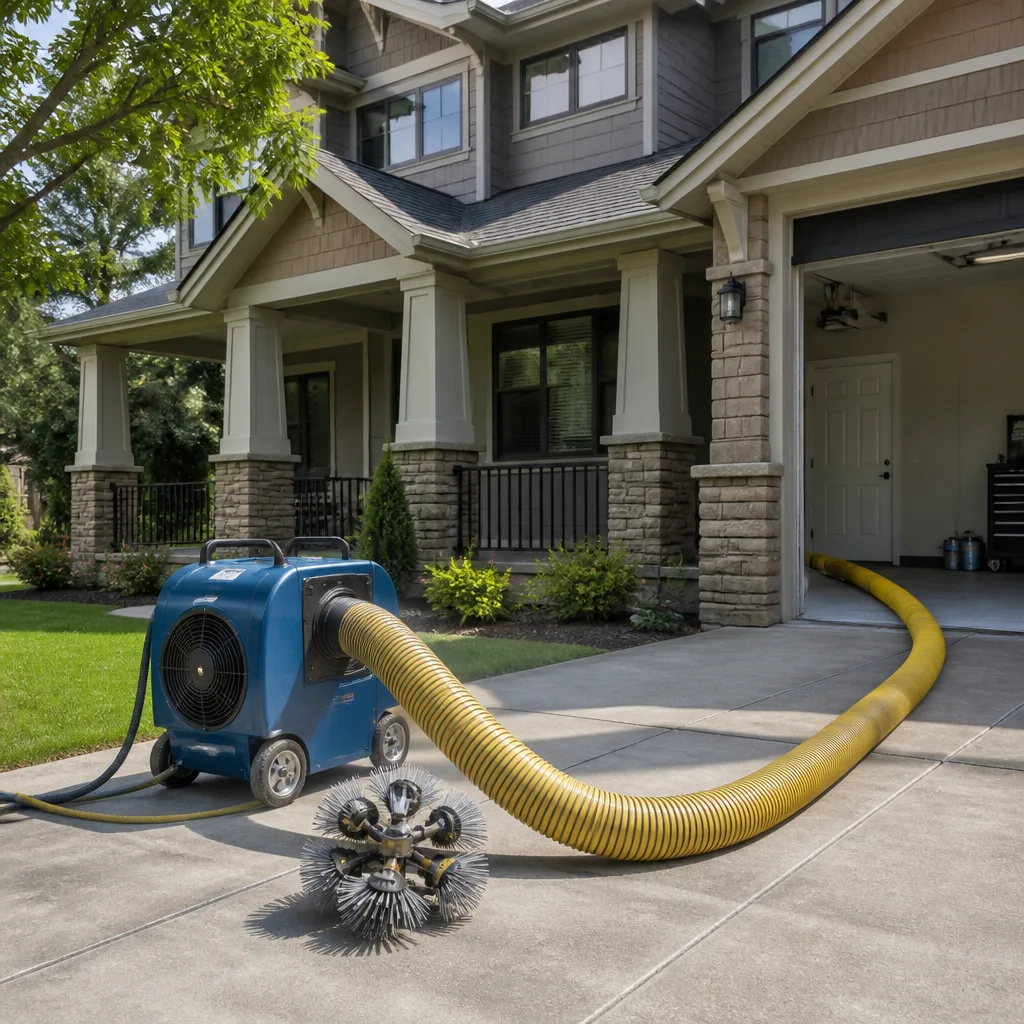 Whole-home duct cleaning
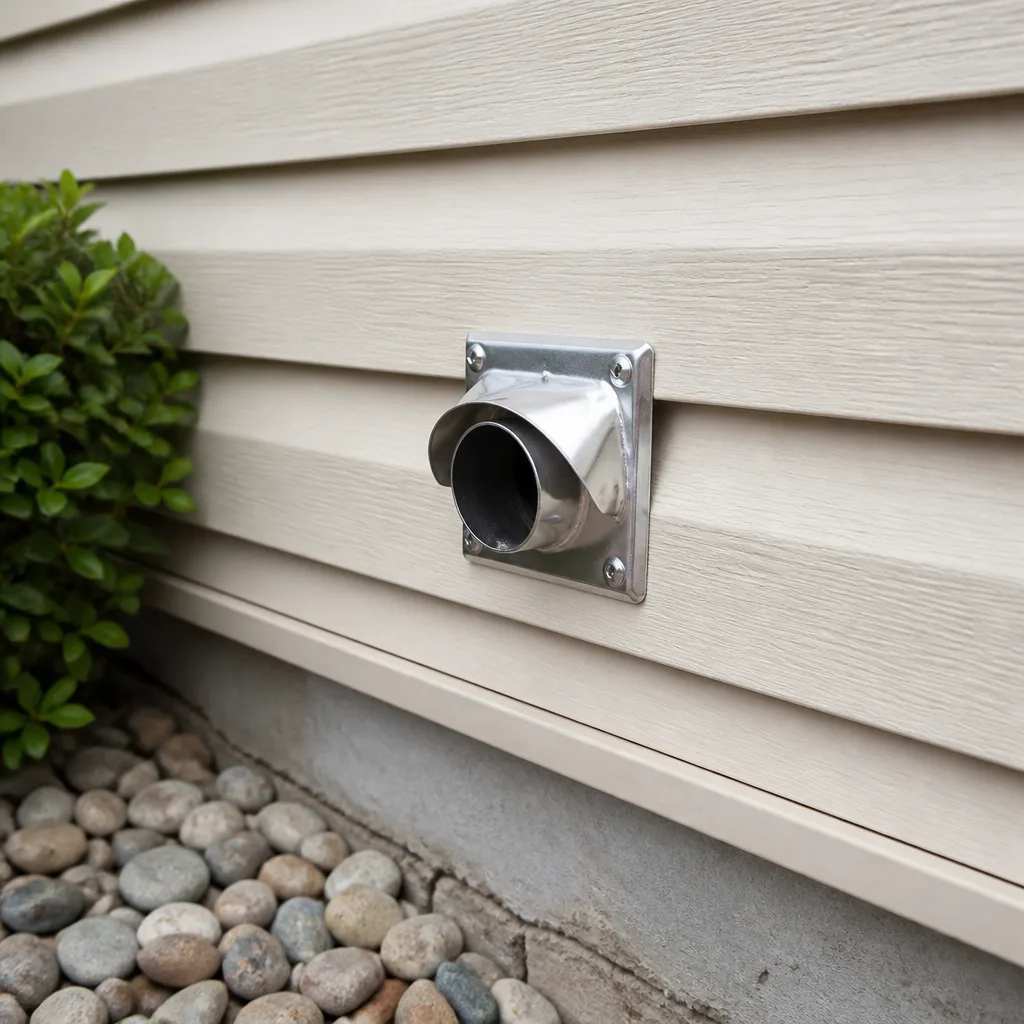 Dryer vent cleaning
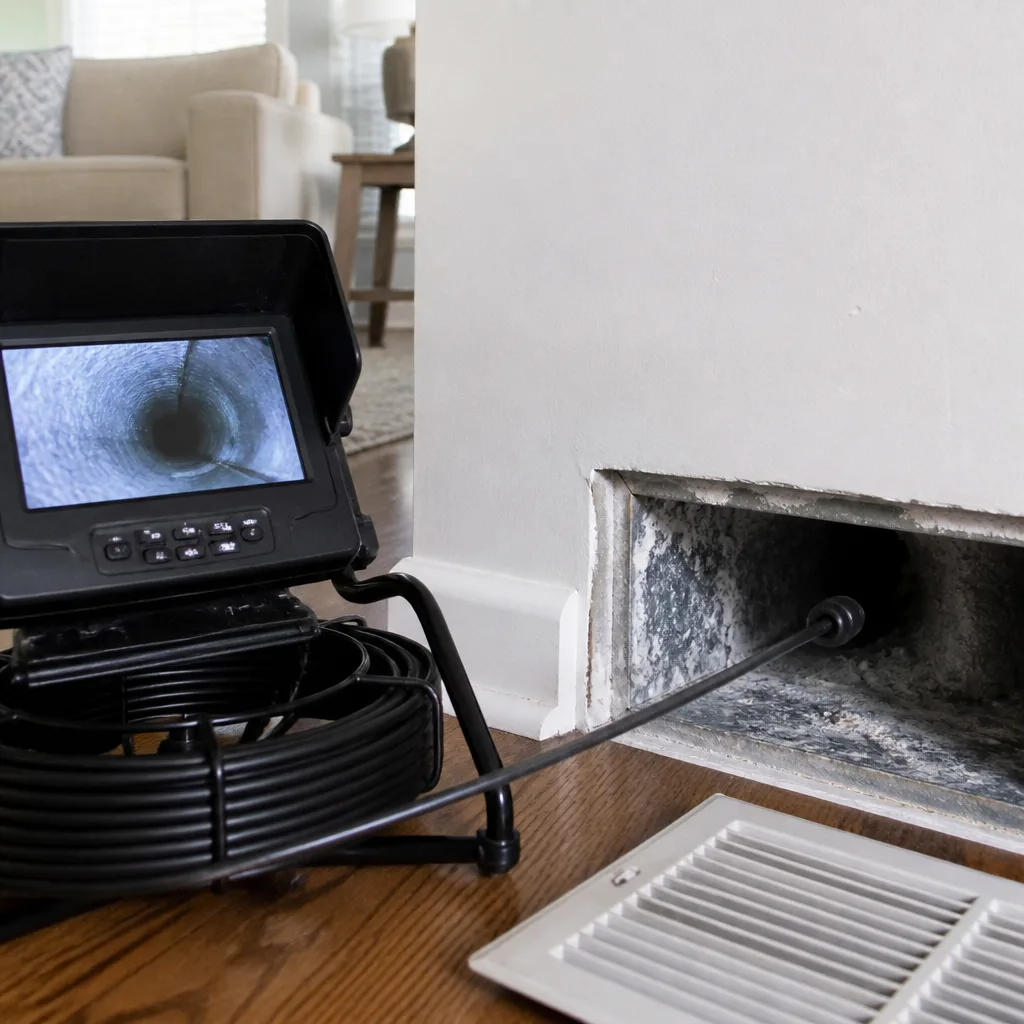 Camera inspection
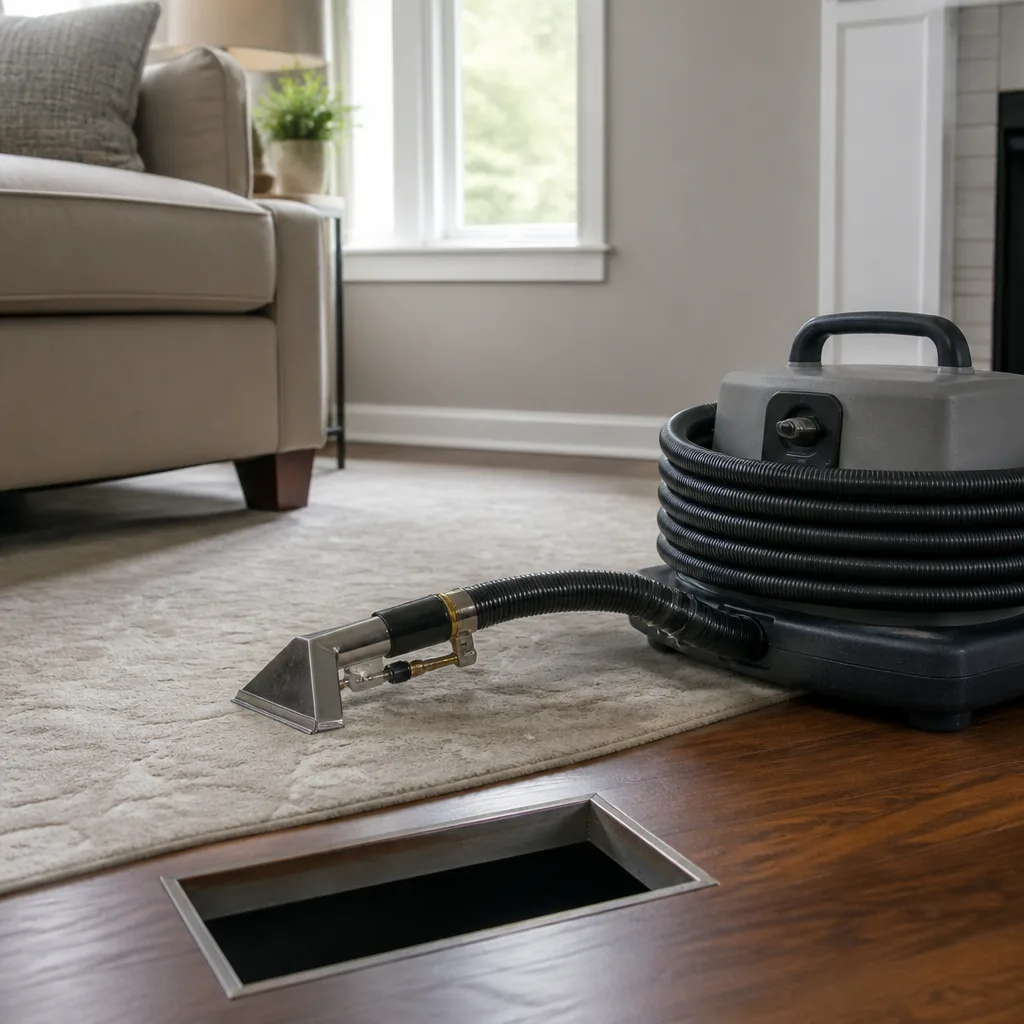 Sanitizing & deodorizing
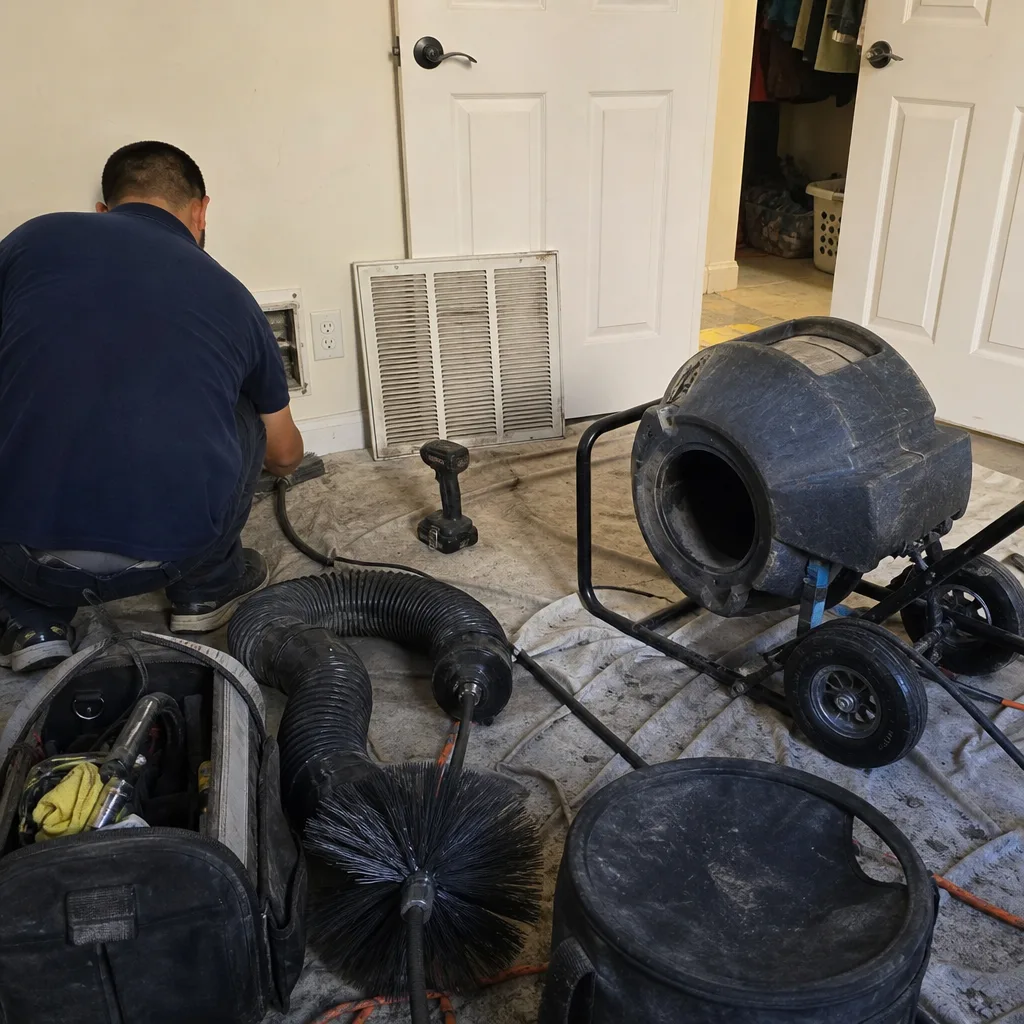
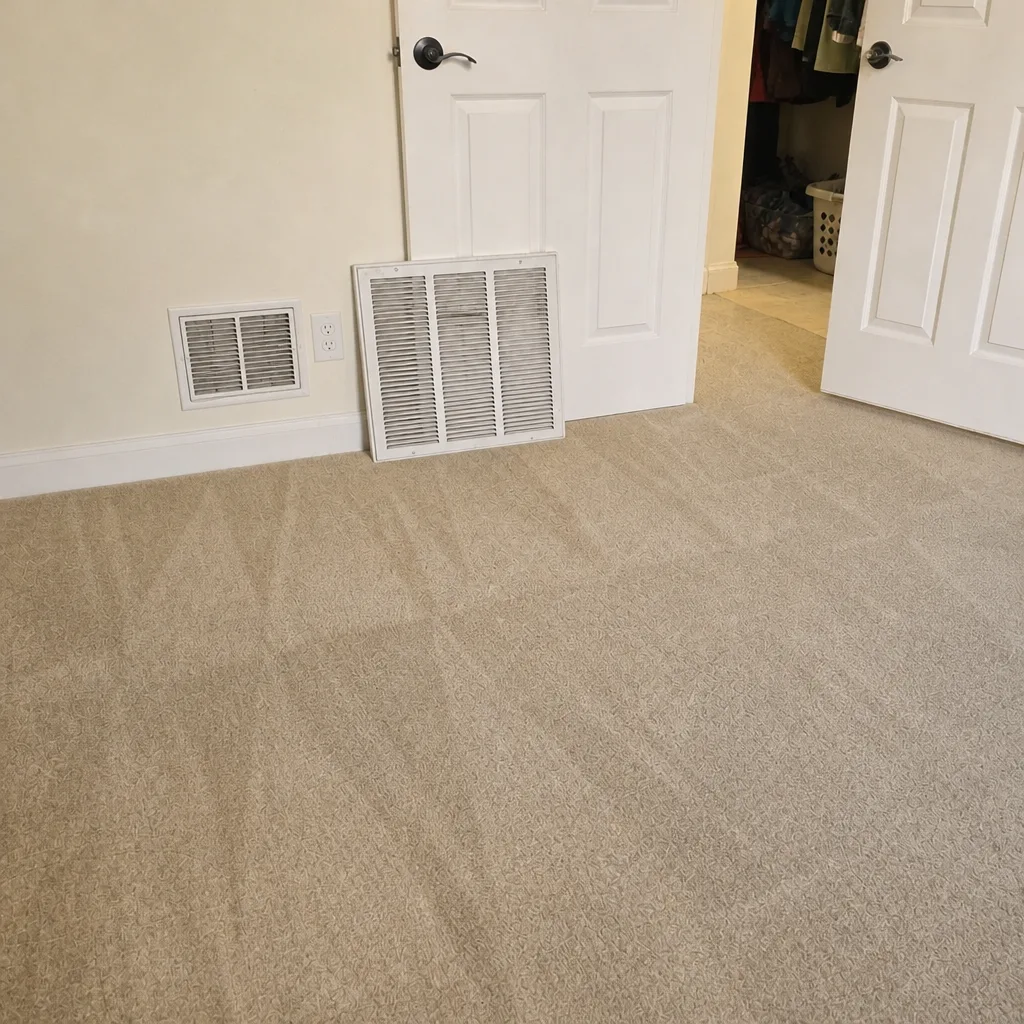
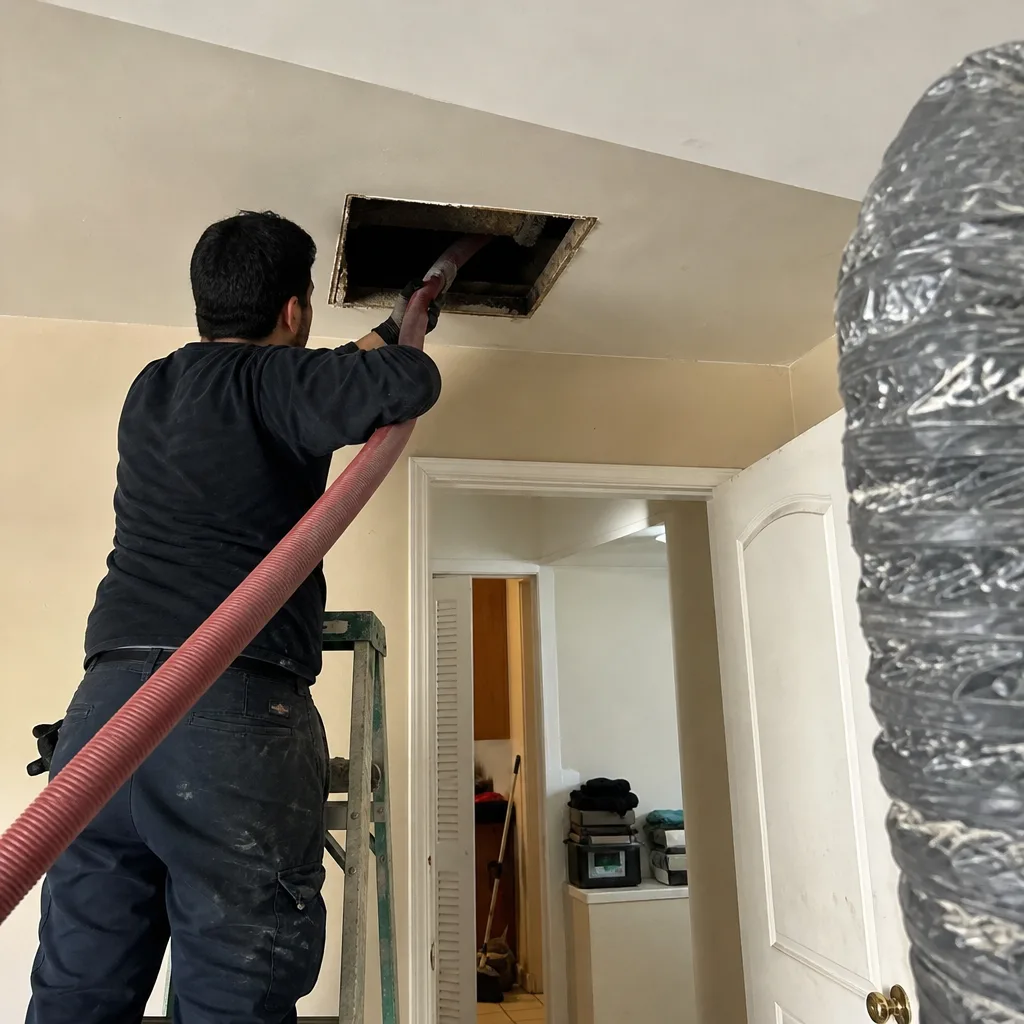
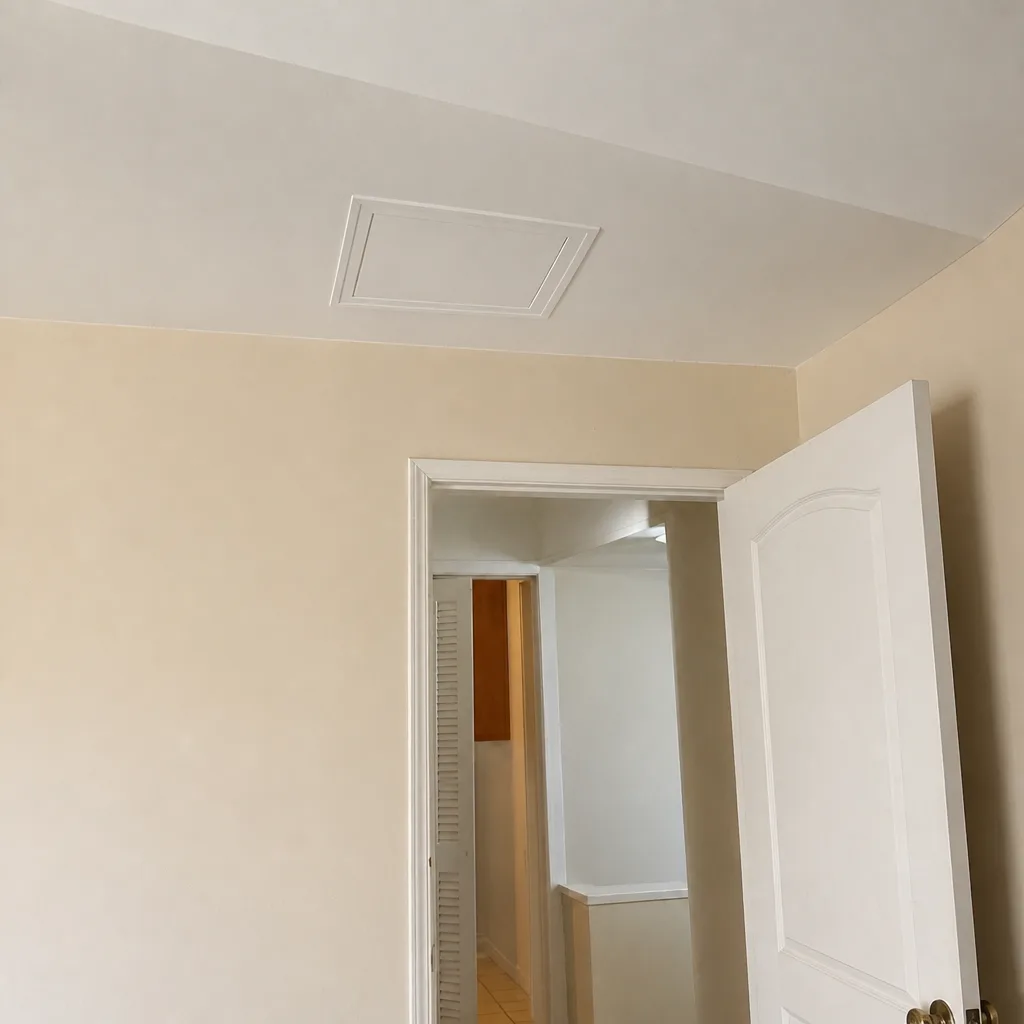
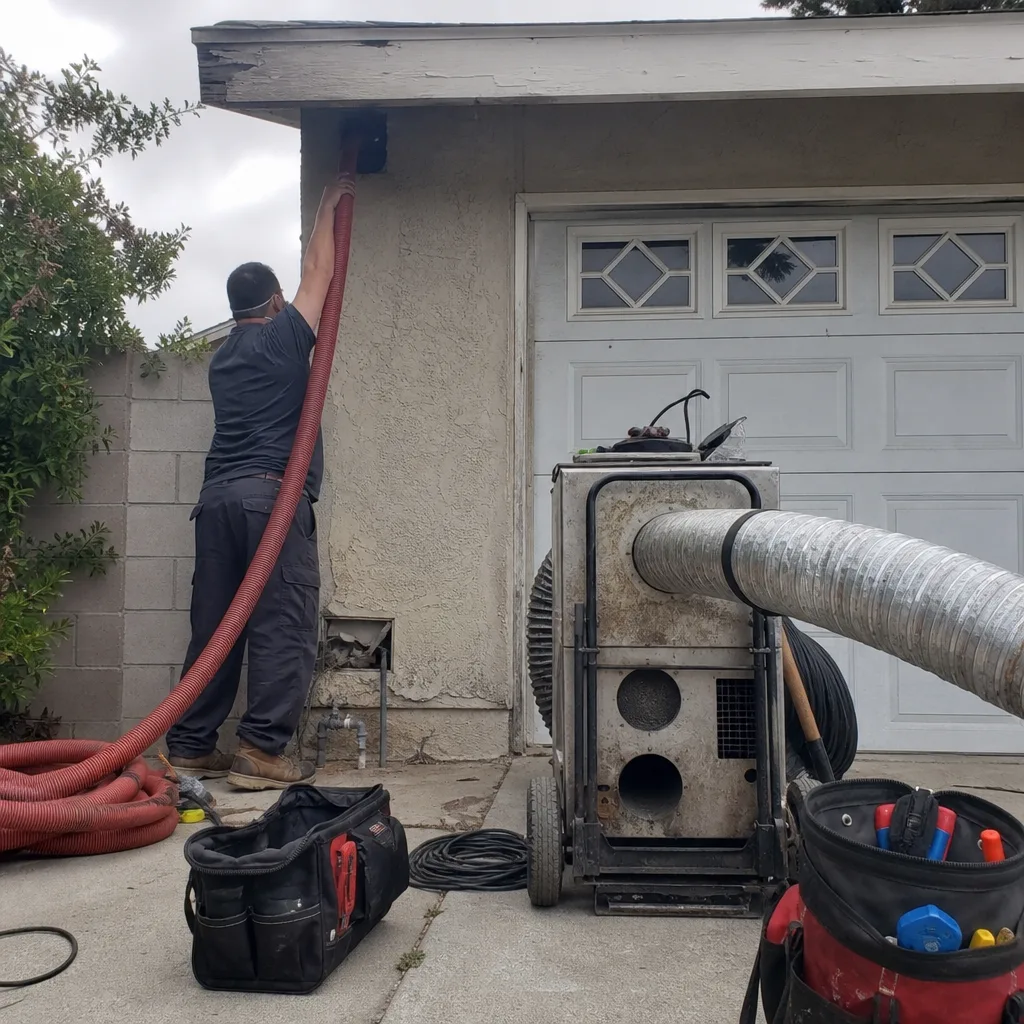
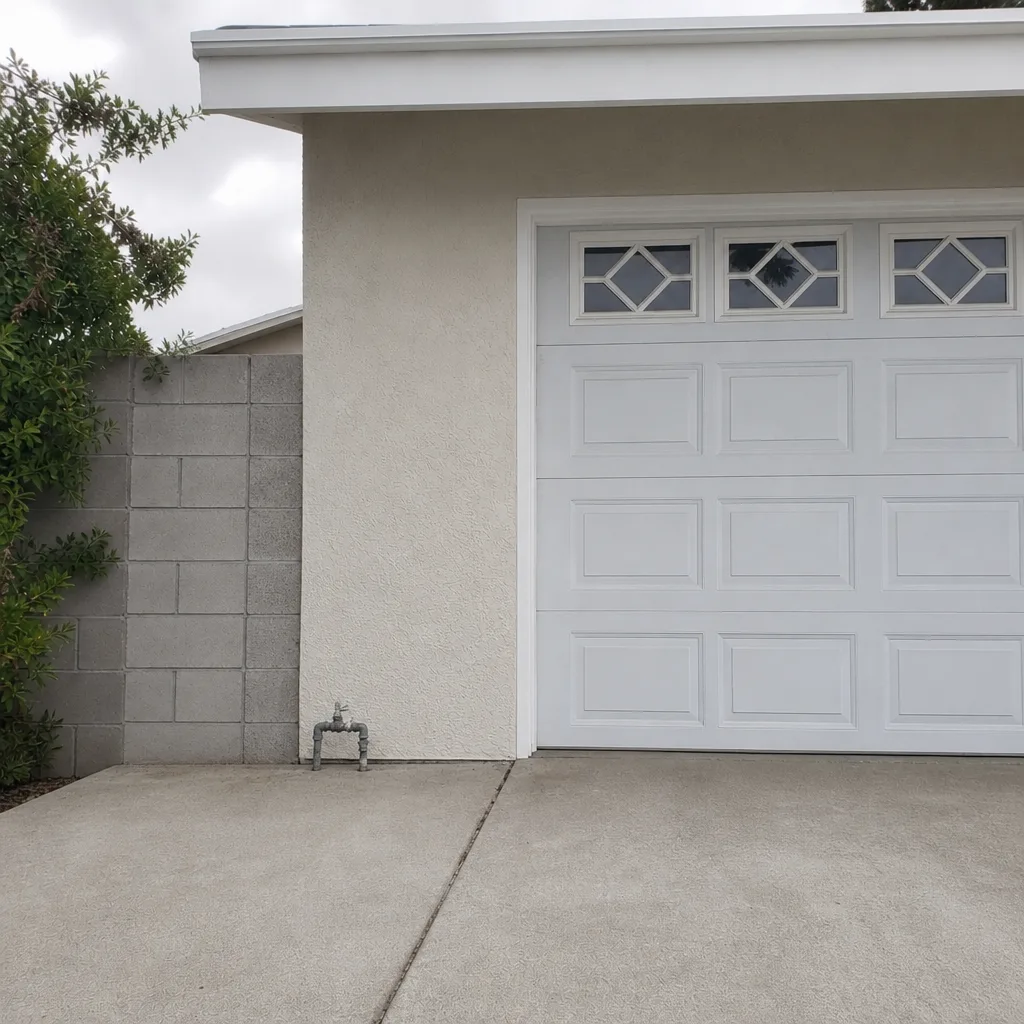
Whole-system duct and dryer vent check with before-and-after photos - you see exactly what came out of your vents
That "$99 whole-house special" is a bait ad - the real number appears once they are in your hallway, or the "clean" is a shop-vac at the register. We photograph the inside of your ducts before and after instead.
DIY vs Professional Air Duct Cleaning: The Chatsworth Homeowner’s Decision Guide
A homeowner in Chatsworth can buy a rotary brush kit and a shop vac adapter for around $60, and on a Saturday morning, they can make the inside of their floor registers look brand new. The problem is that a floor register is the last 18 inches of a system that runs 40 feet or more through an attic, and the dust that actually recirculates through the house lives in the trunk line stretching back to the plenum above the furnace. This guide explains what DIY equipment can physically reach, what it cannot, and where that line sits for a typical Chatsworth single-story home with flex duct in a hot attic. We’ll walk through the four variables that determine whether a weekend project is the right call or whether you need professional air duct cleaning equipment.
Quick Answer
DIY air duct cleaning works for surface-level maintenance: wiping register boots, cleaning return grille surrounds, and pulling lint from a short, straight dryer vent run. It does not work for cleaning the main trunk lines, plenums, or branch ducts, because consumer vacuums lack the negative-air capture and CFM to extract debris from deep inside a system. Most Chatsworth homes with attic ductwork need professional cleaning every 3 to 5 years, with DIY maintenance in between.
Styles & brands we work with
- Whole-home duct cleaning
- Dryer vent cleaning
- Camera inspection
- Sanitizing & deodorizing
Table of Contents
- What DIY Tools Can and Cannot Physically Reach
- Where DIY Is Genuinely Enough
- The Physics Problem: Why a Shop Vac Moves Dust Instead of Capturing It
- The Damage Risk in Chatsworth’s Older Flex-Duct Systems
- The Four-Variable Decision Matrix
- What Professional Cleaning Actually Involves
- Common Mistakes to Avoid
- When to Call a Professional
- Frequently Asked Questions
What DIY Tools Can and Cannot Physically Reach
Before you spend money on a kit, it helps to understand the anatomy of a duct system. In most Chatsworth homes built from the 1960s through the 1990s, the layout is straightforward: a furnace or air handler sits in a closet or garage, a plenum bolts to the top of it, and a single large trunk line runs from that plenum through the attic. Branch ducts, usually 6 to 8 inch flex lines, tee off the trunk and drop down through the ceiling to registers in each room. The trunk line is the highway. The branches are the off-ramps.
A DIY brush kit on a drill can spin inside the last foot or two of a branch duct where it meets the register boot. That is real cleaning, and it removes a meaningful layer of dust from the visible portion of the system. What it does not do is turn the corner where the branch line meets the trunk. The brush is not long enough to make that bend, and even if it were, it would push debris into the trunk rather than extract it. The trunk line itself, which can be 18 inches in diameter and run 25 feet across an attic, is completely inaccessible from a floor register.
Here is what typical consumer equipment can physically touch:
- Register boots and the first 12 to 18 inches of branch duct at each supply vent
- The interior surface of floor registers and ceiling grilles (removable and washable)
- The area around the return grille where the filter sits
- Visible interior of the return air cavity if the grille opens into a wall chase
- The final few feet of a dryer vent where it exits the wall behind the dryer
Here is what it cannot touch:
- The main supply trunk line crossing the attic
- The plenum where the trunk meets the furnace or air handler
- Branch duct runs beyond the first bend or two from the register
- The return duct network from the grille back to the air handler
- The interior of the air handler cabinet, blower wheel, and evaporator coil housing
The gap between those two lists is where the actual contamination lives. In our experience, the register boot is usually the cleanest and least-impacted part of the system because it is closest to the filter and sees the most airflow. The trunk line and plenum are where dust accumulates for years without being disturbed.
Where DIY Is Genuinely Enough
This guide is not anti-DIY. There are three specific jobs we tell homeowners they can handle themselves, and doing them well extends the life of a professional cleaning.
- Register and grille maintenance. Remove the register cover, wash it with warm water and mild soap, and wipe the inside of the boot with a damp microfiber cloth. Do this every 3 to 6 months. It removes visible dust and keeps buildup from falling back into the branch duct.
- Dryer vent lint removal on a short, straight run. If your dryer vents directly through an exterior wall with a run under 6 feet and no bends, a lint brush kit from a hardware store works fine. Remove the lint from the back of the dryer, the pipe, and the exterior vent cap, then check the cap opens freely. This is not a substitute for dryer vent cleaning on longer, routed runs, but it is a good maintenance step.
- Return grille filter surround wiping. The return grille is the dustiest visible surface in most homes. Wipe the grille, the surrounding wall or ceiling, and the filter channel every time you change the filter. If the filter is caked with visible debris, replace it before it loads the coil.
These three jobs cover surfaces you can see and reach. They do not address what is inside the ductwork, but they reduce the dust load entering the system and can stretch the time between professional cleanings from 3 years to 5 years in a typical Chatsworth home with a tight filter schedule.
The Physics Problem: Why a Shop Vac Moves Dust Instead of Capturing It
The most common DIY misconception we run into is the idea that a shop vac with a long hose and a brush attachment is a smaller version of professional equipment. It is not. The difference is not scale, it is method.
Professional duct cleaning uses source removal with negative air pressure. A high-CFM fan creates a vacuum inside the duct system while agitation tools knock debris loose from the walls. The fan pulls the loosened material through the duct and into a HEPA-filtered collection unit at the other end. The key is that the entire system is under negative pressure, so nothing escapes into the living space during the process.
A shop vac works the opposite way. It creates localized suction at the end of a hose, but the rest of the duct system remains at normal pressure. As the brush spins inside a branch line, it knocks dust off the walls. Some of it gets sucked into the vac. The rest, often the majority, gets pushed back toward the trunk line and stays there. In a Chatsworth attic duct system, that means DIY agitation can actually redistribute contamination from the branch lines into the trunk, making the overall system dirtier than when you started.
The numbers matter here. A professional portable unit used in duct cleaning moves 3,000 to 5,000 cubic feet per minute. A consumer shop vac moves 100 to 200 CFM. That is not a 10% improvement in capability. It is a 20x to 30x difference in the volume of air being moved through the system. A brush on a drill can agitate. It cannot extract. Without extraction, agitation just relocates the problem.
The Damage Risk in Chatsworth’s Older Flex-Duct Systems
Chatsworth has a large stock of homes built between the 1950s and early 1990s, and a significant portion of them use flex duct for supply runs. Flex duct is a wire coil wrapped in plastic, insulated with a fiberglass blanket, and covered with a foil or plastic jacket. It is lightweight and easy to route through an attic, which is why builders used it extensively. It is also fragile, especially after 20 or 30 years in a hot attic where the plastic jacket becomes brittle.
We have seen the damage pattern enough times to describe it precisely. Homeowners use a brush kit with a stiff bristle head. They push it into a branch duct with force. The bristles catch on a nick or tear in the inner liner. A few spins later, there is a hole in the flex duct. Duct tape, which is not rated for ductwork despite the name, gets applied. The hole reopens. Conditioned air starts leaking into a 130-degree attic in August, and the system loses efficiency. What started as a weekend cleaning project ends with a quote for air duct repair.
Professionals do not push rigid tools into unknown flex runs without first inspecting them. Professional cleaning uses air whips and reverse-brush systems that travel with the airflow direction, not against it, and the negative air pressure holds the duct walls stable during agitation. The risk profile is completely different.
One more local factor: Chatsworth summer attics routinely exceed 120 degrees. Flex duct that has baked for two decades is more fragile than duct in a coastal climate with moderate attic temperatures. The margin for DIY error is thinner here than in many other parts of Southern California, even among similar vintage homes.
The Four-Variable Decision Matrix
If you are trying to decide between DIY and professional cleaning, four variables determine where the line falls. Here is the short version: if you score high on any two of these, DIY is not going to address the actual problem.
Variable 1: Years since the last professional cleaning.
- Under 3 years: DIY maintenance is appropriate. Register cleaning, filter changes, and dryer vent lint removal cover the realistic need.
- 3 to 5 years: Mix. DIY is still useful, but schedule a professional inspection to check trunk line accumulation.
- Over 5 years: Professional cleaning is the only option that addresses the system as a whole. DIY tools cannot reach the trunk line where 5+ years of dust has settled.
- Never cleaned and the home is over 20 years old: DIY is not a substitute. Construction debris, pet dander, and decades of dust require source-removal equipment.
Variable 2: Square footage and duct length.
- Under 1,200 square feet with short, straight runs: DIY can touch a higher percentage of the system, though the trunk line still needs professional equipment.
- 1,200 to 2,000 square feet: Typical Chatsworth suburban home. Branch runs are longer, the trunk line is substantial, and DIY reach shrinks proportionally.
- Over 2,000 square feet: Systems are large enough that even professional cleaning usually requires multiple access points. DIY is not a realistic option beyond register maintenance.
Variable 3: System age and duct material.
- Flex duct under 10 years old: More resilient to DIY tools, though extraction limits still apply.
- Flex duct over 15 years old: Brittle jacket and liner. DIY agitation carries measurable risk of puncture. Inspect before touching.
- Rigid metal duct: Less fragile, but still has the extraction problem. DIY cannot pull debris from the trunk line regardless of material.
Variable 4: Contamination type.
- Standard household dust: DIY can manage visible register dust. Trunk line dust requires extraction.
- Pet dander and hair: Heavier than standard dust. Concentrates in the trunk and return lines. Professional extraction needed.
- Renovation dust (drywall, plaster, sawdust): Heavy and abrasive. Will not come out with a brush. Requires professional source removal.
- Visible mold-like growth or persistent odor: Stop. Do not agitate. A dust brush pushing into this can spread spores through the house. This is a professional assessment situation, and in Chatsworth, the heat and occasional humidity make it a concern in compromised systems.
The combination that tips most Chatsworth homeowners from DIY to professional: a 2,000 square foot house built in the 1980s, original flex duct, never professionally cleaned, with pets. That is not a cleaning project. It is a source-removal job.
What Professional Cleaning Actually Involves
Understanding what professional equipment does differently helps clarify the DIY comparison. Here is the process at a high level.
- System inspection. Before cleaning, the technician checks the furnace, coil, plenum, trunk line, and representative branch runs. This identifies the duct material, system configuration, and any existing damage or disconnected runs.
- Access point creation. Professional cleaning needs an opening into the trunk line. In a Chatsworth attic system, this is usually a small cut in the main supply trunk near the plenum, sealed afterward with a proper access panel or patch.
- Negative air setup. The high-CFM extraction unit connects to the trunk line and pulls the entire duct system under negative pressure. A professional-grade unit from Nikro or Abatement Technologies moves enough air to hold contamination in suspension and carry it out of the system.
- Agitation and debris removal. Air whips, brush systems, and reverse air skips travel through each branch line and the trunk, knocking debris off the walls. The negative air captures it at the collection point.
- Component cleaning. The blower wheel, evaporator coil housing, and return plenum are cleaned separately since they sit outside the duct run.
- Final walkthrough and before-and-after. A professional cleaner should be able to show you what came out of the system and the interior of the trunk line after cleaning.
One distinction that matters in practice: a professional Duct Cleaning Chatsworth technician can also identify compromised ductwork during the cleaning. A disconnected branch line, a collapsed section of flex, or a failed connection at the plenum is not something a DIY cleaning kit will expose. But it is exactly the kind of problem that shows up when you apply negative air pressure and the system does not hold it. The repair capability is a separate service, but it starts with visibility that only comes from professional inspection and extraction.
Common Mistakes to Avoid
- Assuming the visible register tells you anything about the trunk line. A clean register boot is 18 inches of system. The other 40 feet can be coated in years of dust and pet dander while the register looks fine, because the highest airflow keeps that section cleaner.
- Using a shop vac with a brush attachment and calling it duct cleaning. Agitation without extraction pushes debris deeper into the system. You end up with a cleaner-looking register and a dirtier trunk line.
- Pushing a stiff brush into old flex duct without inspecting it first. Chatsworth attics bake flex duct in summer heat. Brittle inner liners puncture under brush pressure, and a hole in a branch line is a leak in the conditioned air path you paid to cool.
- Ignoring the dryer vent because the dryer is working. A restricted dryer vent can extend drying times while still “working.” Lint accumulation in a routed run through a wall or roof is a fire hazard, and the fact that clothes still dry does not mean the vent is moving air properly.
- Cleaning ducts without addressing the filter. You can pay for professional cleaning and undo the benefit within months with a cheap filter. Proper filtration, including systems from Honeywell or Aprilaire that fit the existing return, is the long-term component that keeps cleaned ducts clean.
- Trying to clean a system with visible mold-like growth. Agitating contamination with a brush spreads spores through the living space. Stop and get a professional assessment. This is not a dust removal issue.
When to Call a Professional
Call a professional when any of these apply: the home has not been professionally cleaned in over 5 years, the system uses flex duct over 15 years old, the square footage exceeds 2,000, pets are present, a renovation filled the ducts with construction dust, or you see visible accumulation inside a return grille that keeps returning after you wipe it. Any of these factors means the contamination point is beyond the reach of consumer equipment. Duct Cleaning Chatsworth offers free estimates in Chatsworth. Call (888) 494-4745. We answer 24/7. Fast dispatch from 7am to 7pm, Sunday through Friday.
Frequently Asked Questions
DIY duct cleaning is worth it as maintenance between professional cleanings, specifically for register boots, grilles, and filter surrounds. It is not worth it as a substitute for professional cleaning, because it cannot reach the trunk line or plenum where contamination actually accumulates.
Professional air duct cleaning in Chatsworth is priced per job by written estimate, based on square footage, system accessibility, and the number of supply and return runs. The estimate is free, and the written quote sets the final price before any work begins. Call (888) 494-4745 for an exact quote.
A shop vac can remove dust from the visible portion of a register boot and the first foot or so of a branch duct. It cannot clean a main trunk line, because a shop vac moves roughly 100 to 200 CFM while professional extraction moves 3,000 to 5,000 CFM. The airflow difference is what separates localized suction from whole-system source removal.
Most Chatsworth homes need professional air duct cleaning every 3 to 5 years, more often with pets, a recent renovation, or heavy pollen seasons. Homes with proper filtration and regular filter changes can stretch toward the 5-year end. Homes that have never been cleaned and are over 20 years old should be cleaned now.
Dryer vent cleaning is DIY-appropriate when the vent exits directly through an exterior wall and the run is under 6 feet with no bends. For longer runs that route through the wall, floor, or roof, professional dryer vent cleaning equipment with rotating brushes and high-CFM extraction removes lint that a hand brush cannot reach.
Cleaning removes contamination from the interior of the duct system. Repair addresses physical damage: disconnected branch lines, punctured flex duct, failed plenum connections, and collapsed sections. A duct system can be clean and still leak conditioned air into a hot attic, which is why cleaning and repair are separate but complementary services.
The Bottom Line
DIY duct cleaning has a real place in a Chatsworth home, but it starts and ends at the register. The trunk line, plenum, and branch runs that actually determine what circulates through your air are beyond the physical reach of consumer tools, and attempting to force a brush into brittle flex duct can create a repair bill that dwarfs the cost of professional cleaning in the first place. The smart approach is a hybrid one: professional source-removal cleaning every 3 to 5 years with commercial-grade equipment, and attentive DIY maintenance between visits. If you’re in Chatsworth and want to see what is actually inside your system before deciding, call (888) 494-4745. We answer 24/7. Fast dispatch from 7am to 7pm, Sunday through Friday.
Written by the team at Duct Cleaning Chatsworth, serving Chatsworth since 2017.
See the difference
 Before
 After
 Before
 After
 Before
 After