
Last updated November 4, 2026
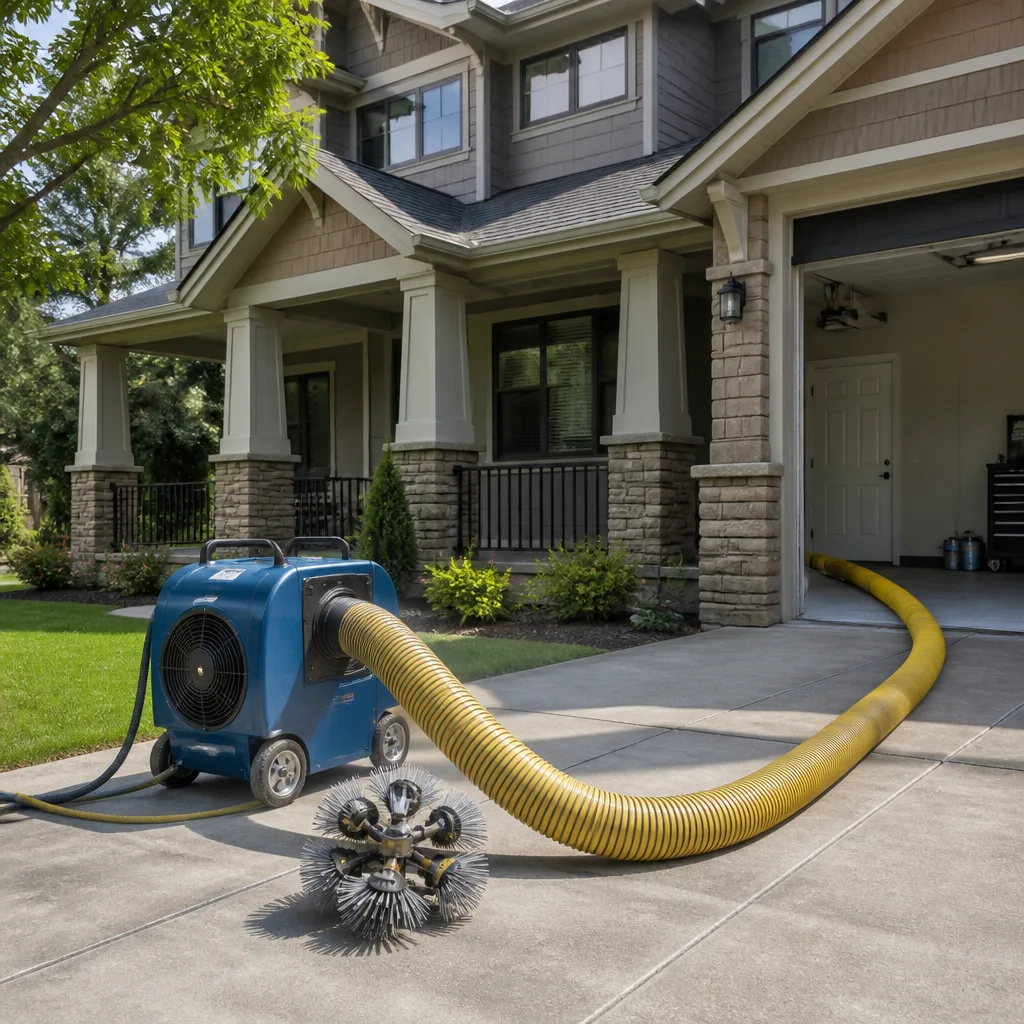 Whole-home duct cleaning
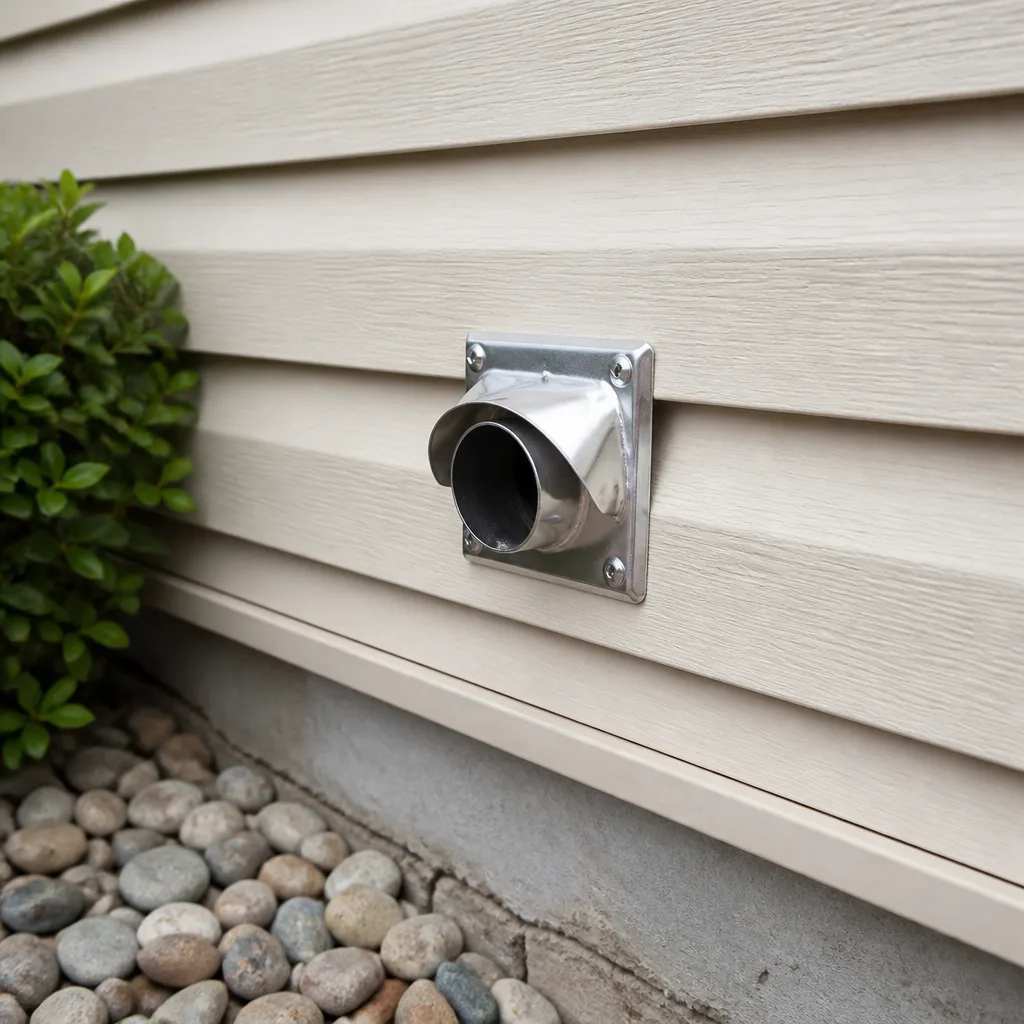 Dryer vent cleaning
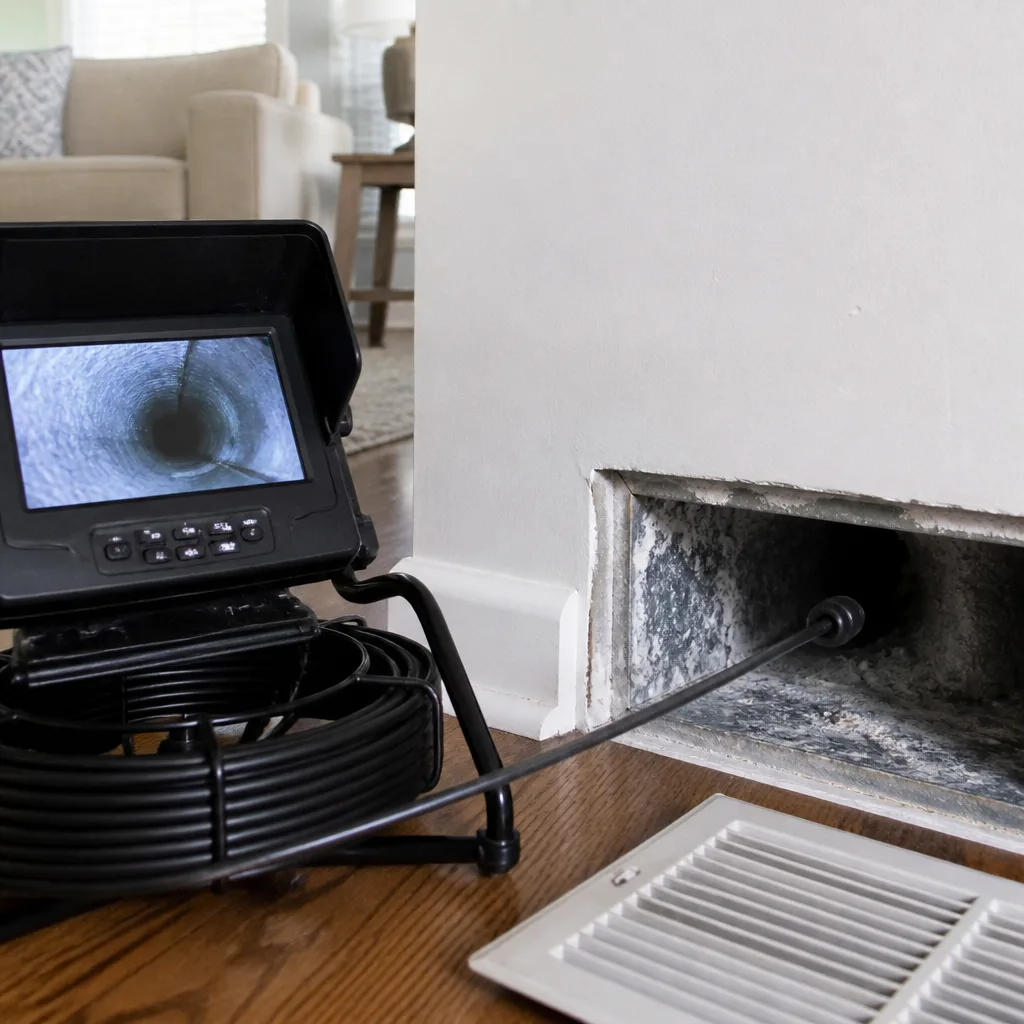 Camera inspection
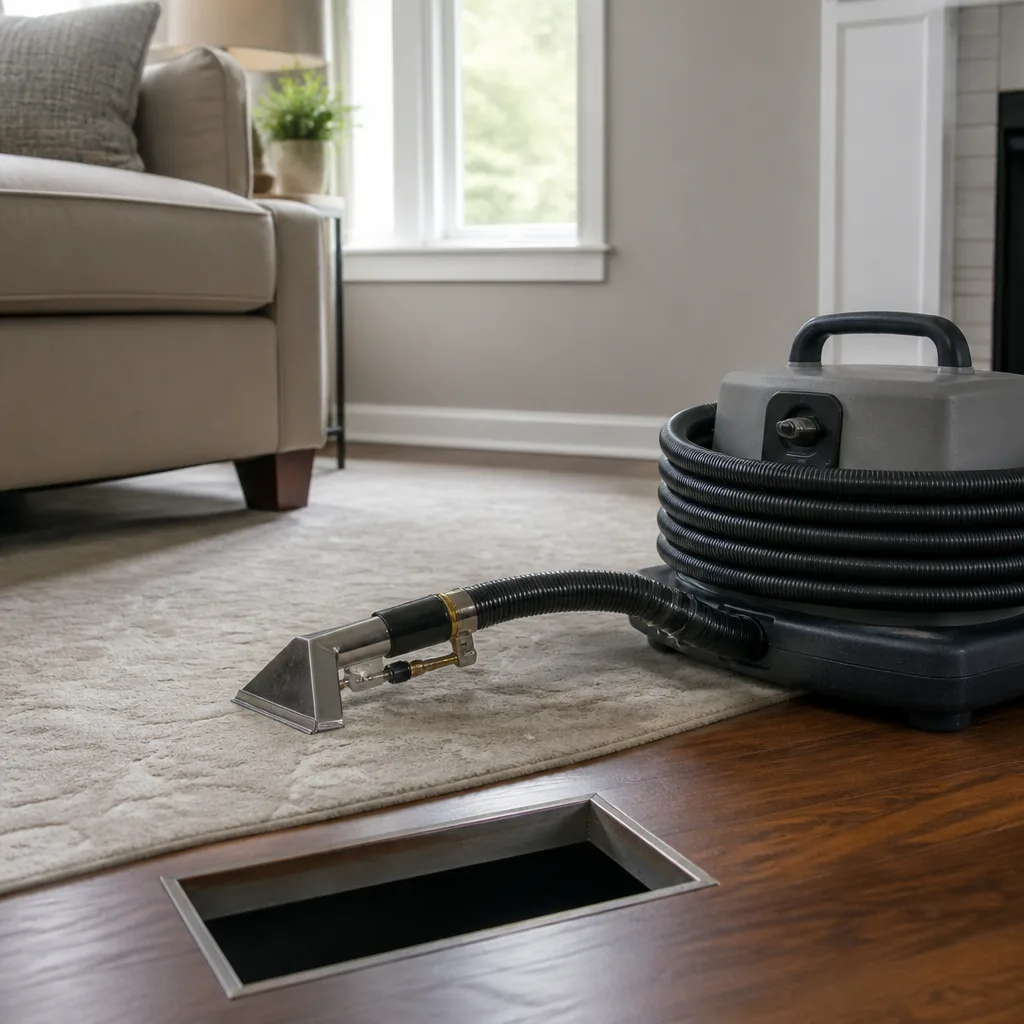 Sanitizing & deodorizing
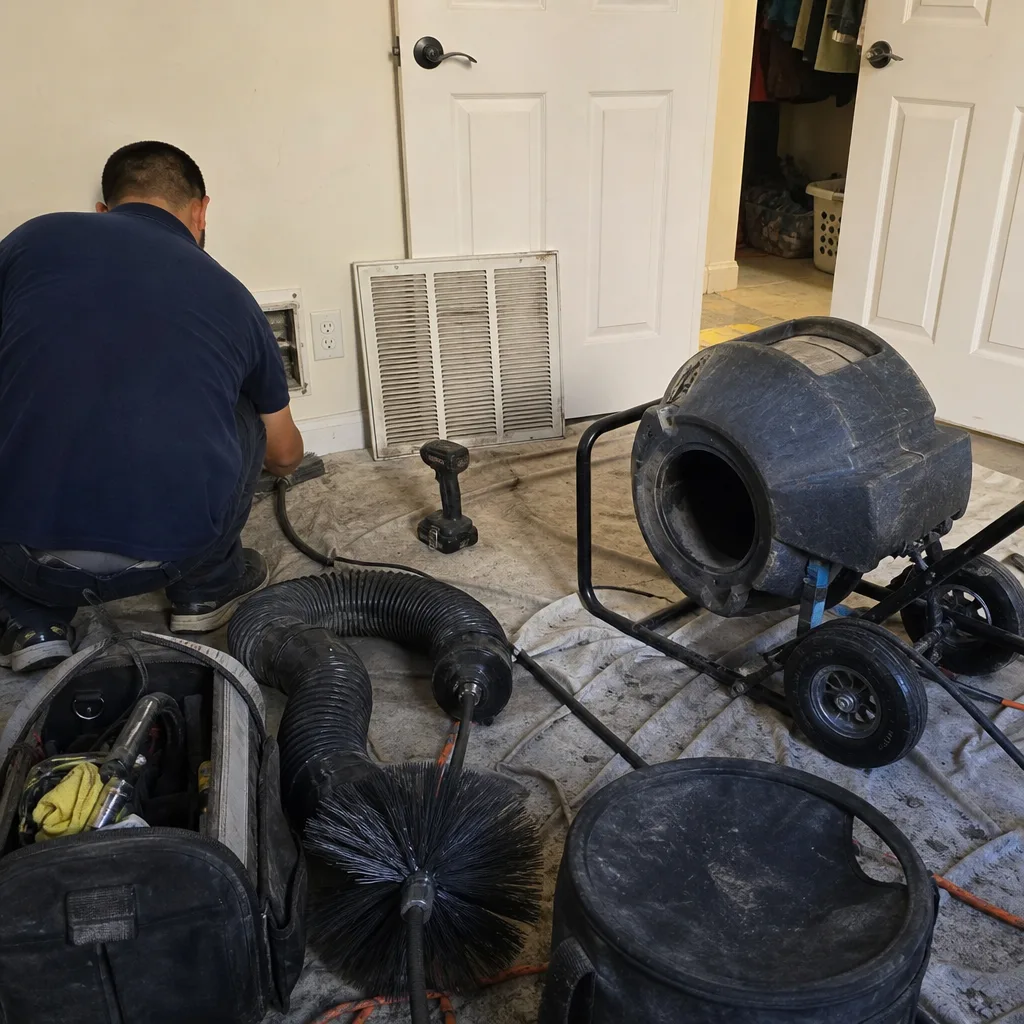
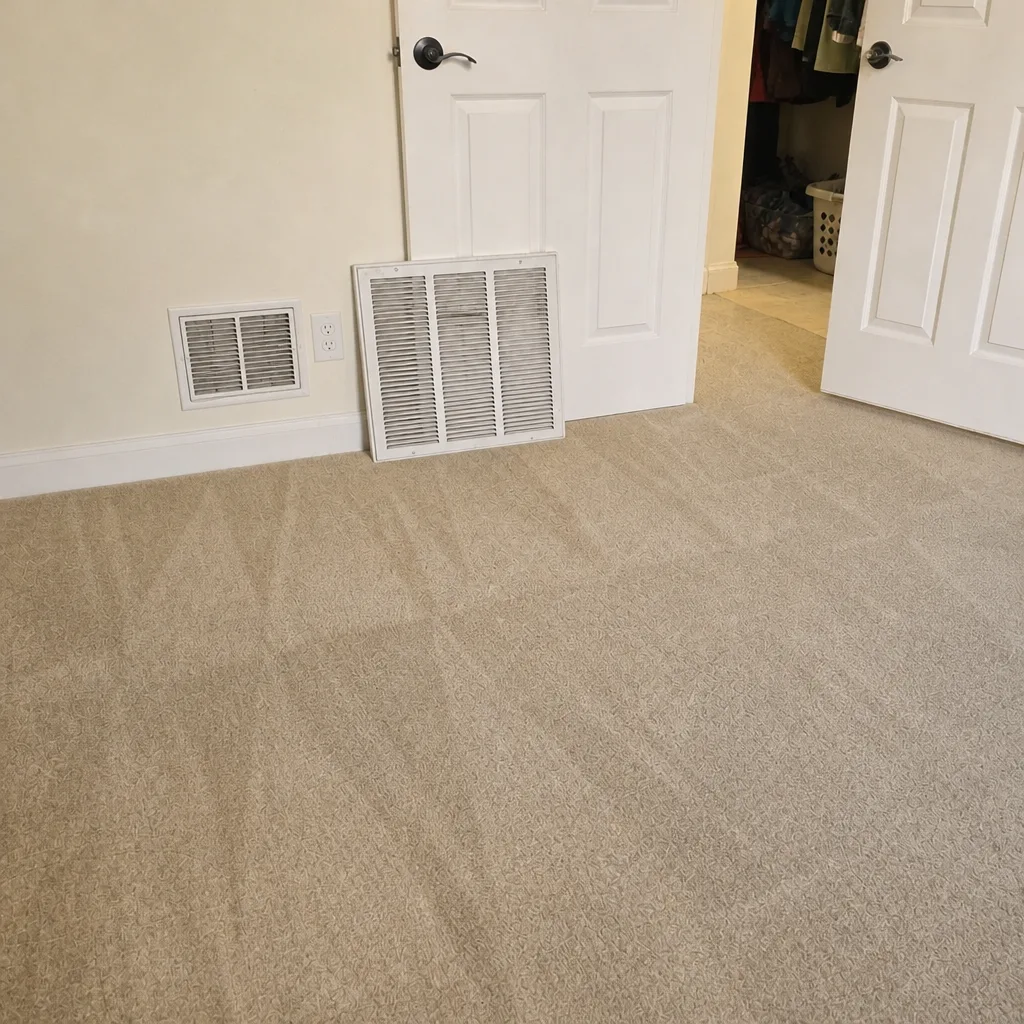
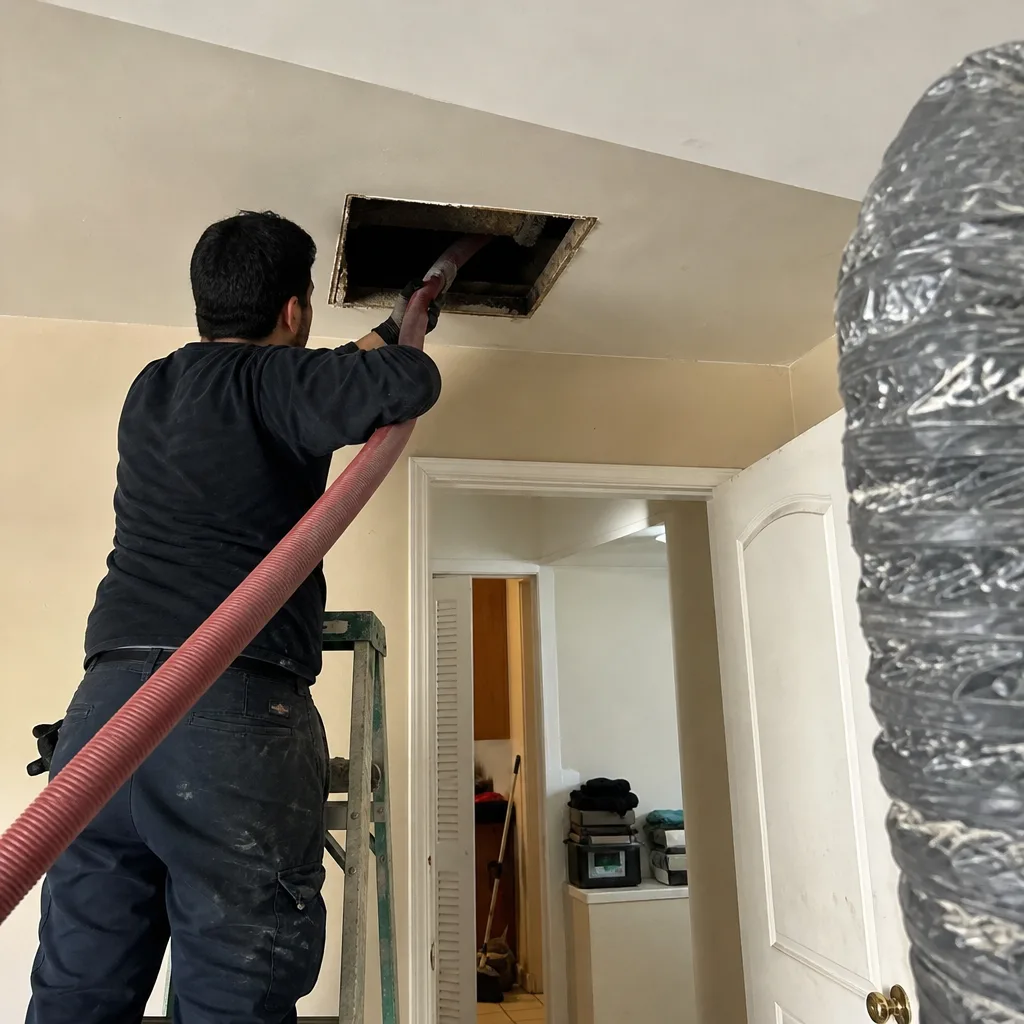
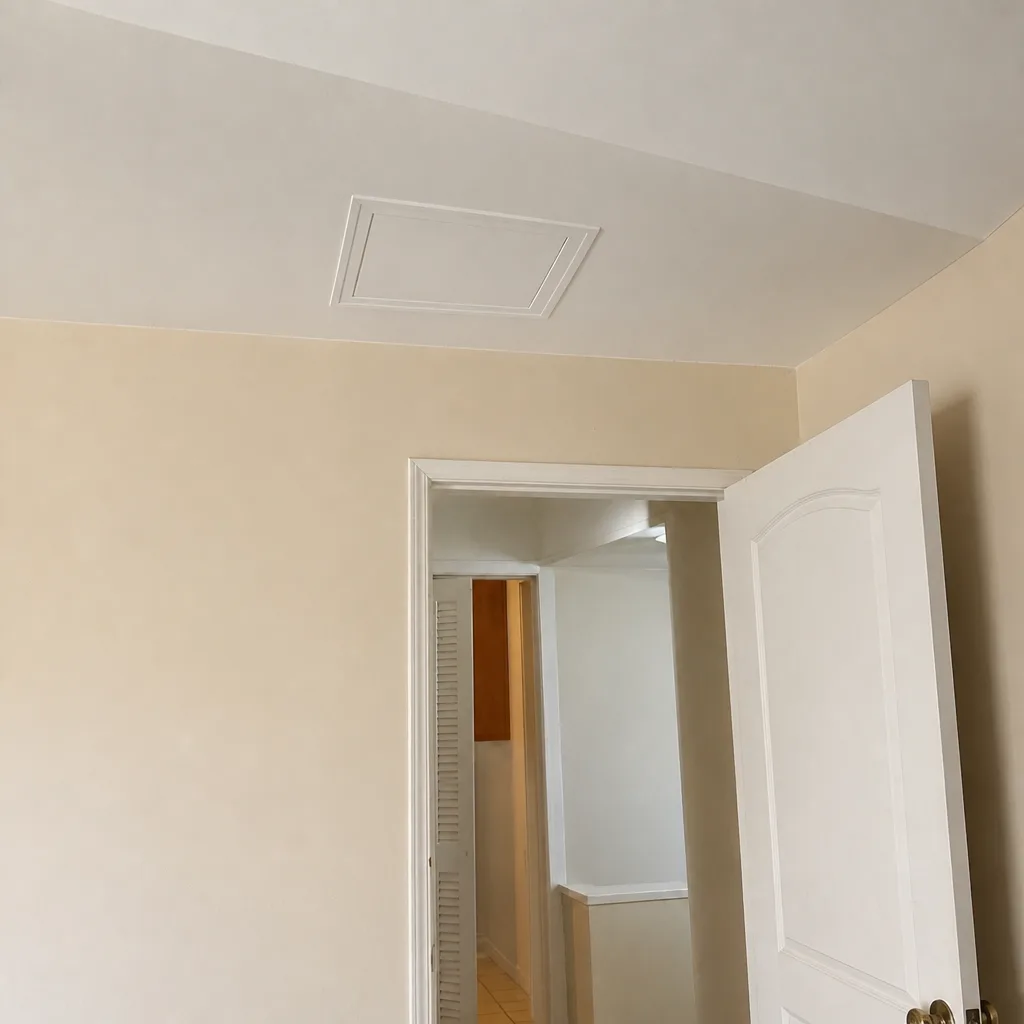
Whole-system duct and dryer vent check with before-and-after photos - you see exactly what came out of your vents
That "$99 whole-house special" is a bait ad - the real number appears once they are in your hallway, or the "clean" is a shop-vac at the register. We photograph the inside of your ducts before and after instead.
Air Duct Cleaning Cost Breakdown: The Chatsworth Homeowner’s Reference for 2026
The most confusing number in Chatsworth home maintenance isn’t your property tax bill or your water rates. It’s the quote for air duct cleaning. The same 2,200-square-foot ranch near Mason Avenue might get quoted $89 from one caller and $900 from another, and both call themselves professionals. The gap isn’t market variation. It’s two completely different service models sharing one name. This guide explains the actual pricing structures behind Chatsworth duct cleaning quotes in 2026, what moves the number up or down, and how to read a written estimate so you know which one you’re holding before anyone backs a van into your driveway.
Styles & brands we work with
- Whole-home duct cleaning
- Dryer vent cleaning
- Camera inspection
- Sanitizing & deodorizing
Quick Answer
Professional air duct cleaning for a typical 2,200-square-foot Chatsworth home with 18 supply vents and 4 return grilles runs roughly $450 to $750 in 2026 when performed by a dedicated indoor air quality specialist using truck-mounted or industrial portable source-removal equipment. Dryer vent cleaning adds $120 to $200 as a standalone service. Duct repair and sealing work varies widely, typically $300 to $1,200 depending on access and the extent of the damage found during inspection.
Table of Contents
- The Three Pricing Models: Per-Vent, Flat-Rate, and Square-Footage
- 2026 Chatsworth Market Rate Ranges for Each Service
- What Legitimately Moves the Price Up or Down
- Add-Ons Worth Paying For vs. Margin Plays to Decline
- Why a Dedicated IAQ Specialist Charges Differently Than a Generalist HVAC Company
- How to Read a Written Quote as a Price-Verification Tool
- Common Mistakes to Avoid
- When to Call a Professional
- Frequently Asked Questions
- The Bottom Line
The Three Pricing Models: Per-Vent, Flat-Rate, and Square-Footage
Before you can evaluate any duct cleaning quote in Chatsworth, you need to know which pricing model you’re looking at. The industry runs on three of them, and they produce wildly different numbers for the same house.
Per-vent pricing is the most common model in the San Fernando Valley, and it’s also the one most often abused. The company quotes a price per supply vent or per register, then multiplies by the count. A “$29 per vent” quote on your 18-vent Chatsworth home becomes $522 before anyone asks about return grilles, the main trunk line, or the air handler. Low per-vent numbers are the classic bait. The hook shows up later, when “additional vents” and “deep cleaning” line items start appearing on the invoice because the original number only covered the most basic pass.
Flat-rate pricing quotes one number for the entire system, regardless of vent count, based on the home’s size bracket and the technician’s visual assessment. This model produces the most predictable outcome for a typical Chatsworth ranch, because the price doesn’t creep based on how someone counts registers. A flat rate should state exactly what’s included: all supply and return grilles, the trunk line, the plenum, and the air handler cabinet if accessible.
Square-footage pricing estimates cost based on the home’s heated square footage, usually in bands like “1,500 to 2,500 square feet.” Some companies use this as a starting point for a flat rate. Others use it to generate a number they’ll adjust after inspection. It’s less precise than counting vents, because two homes of identical square footage can have very different duct layouts – a single-story sprawling ranch in Chatsworth will have more linear duct run than a two-story home of the same footage across the 118 freeway in Porter Ranch.
2026 Chatsworth Market Rate Ranges for Each Service
Here are the price ranges we see in the Chatsworth market as of 2026, for an average single-family home with 15 to 22 vents and one air handler. These are whole-system numbers, not teaser figures.
Standard Air Duct Cleaning
| Service Description | Typical 2026 Range |
|---|---|
| Full system source-removal cleaning, 15-22 vents, single air handler | $450 – $750 |
| Smaller home or condo, under 1,400 sq ft, fewer than 12 vents | $300 – $450 |
| Larger home, 2,800+ sq ft, multiple air handlers or zoned systems | $700 – $1,000 |
| Return grille cleaning only (addressed during full service, rarely sold alone) | Included in full service |
Source-removal cleaning means the debris is physically loosened and extracted with negative-air equipment, not brushed around or blown into the home. The air duct cleaning process we perform uses Rotobrush and Nikro systems, the same platforms specified in NADCA-aligned protocols. When you see a quote for $89 or $149, you’re looking at a different animal: a “blow and go” job that sweeps debris toward the registers but doesn’t extract it from the system. The price is real. The cleaning isn’t.
Dryer Vent Cleaning
| Service Description | Typical 2026 Range |
|---|---|
| Standalone dryer vent cleaning, standard single-family home | $120 – $200 |
| Dryer vent cleaning added to a full duct cleaning appointment | $90 – $150 |
| Longer runs, rooftop terminations, or difficult access | $180 – $300 |
A dryer vent that terminates on a second-story roof or runs more than 20 feet from the dryer to the outside will take longer and cost more. The service is not a convenience upsell. Lint-clogged dryer vents are a leading cause of residential fires in California. Treat dryer vent cleaning as a fire-safety service with a defined scope, not an add-on to negotiate down to nothing.
Air Duct Repair and Sealing
| Repair Type | Typical 2026 Range |
|---|---|
| Sealing accessible duct joints and minor leaks with mastic | $300 – $600 |
| Replacing a short section of damaged flex duct (under 10 feet) | $350 – $700 |
| Repairing or replacing a disconnected return duct in an attic | $400 – $900 |
| Extensive repairs, multiple compromised runs, or hard-to-reach crawlspace work | $800 – $1,200+ |
Chatsworth’s housing stock includes a lot of homes built in the 1960s and 1970s, when flex duct was run through attics that bake in summer heat. Old flex duct degrades in the attic environment, and disconnected joints are common. If your Duct Cleaning Chatsworth technician finds a separated return duct during a cleaning, the repair cost is a separate line item from the cleaning itself. Clean ducts are the start. Sealed, repaired ducts are the finish.
What Legitimately Moves the Price Up or Down
Several factors explain why one honest quote in Chatsworth differs from another honest quote by $200 or more. None of them involve a coupon or a phone-room special. Here’s what a technician is actually evaluating when they price your job.
Access difficulty. Chatsworth homes vary enormously. Some have attics with standing room. Others have tight, low-pitch attic spaces where every section of duct has to be reached on hands and knees. Crawlspace access under a raised foundation is harder still. If your furnace is in a closet with a tight door, or your ducts are buried under blown-in insulation, expect to pay more for the same nominal square footage.
System age and duct condition. A five-year-old system with intact flex duct cleans faster than a 40-year-old system with brittle, sagging runs. Old ductwork sometimes has accumulated decades of dust, pet hair, and construction debris from renovations. The dirtier and more fragile the system, the longer the job takes. This is the biggest legitimate variable between two quotes for the same street.
Contamination type. Routine household dust is one thing. Construction dust from a recent remodel is denser and harder to extract. Evidence of rodent activity in the ducts changes the job scope entirely, requiring containment and more thorough extraction. Abatement Technologies equipment is designed for contaminated or compromised duct environments, not just routine dust removal. If a quote includes a contamination-handling line item, ask what was observed during inspection.
Number of air handlers. A single-story ranch with one furnace in the hallway is a simpler job than a two-zone system with separate air handlers. Zoned systems essentially double the central components that need cleaning, even though the vent count may be similar.
Real estate timing. Prices in Chatsworth drift with the broader Los Angeles market. When home sales are active, duct cleaning demand rises because buyers request it during escrow and sellers order it before listing. That seasonal pressure can push quotes toward the upper end of the ranges above. The ranges themselves have stayed relatively stable because the labor and equipment costs don’t swing dramatically.
Add-Ons Worth Paying For vs. Margin Plays to Decline
Every duct cleaning quote eventually gets to the add-on section. Some of these recommendations come from a genuine observation in your ducts. Others exist to inflate the invoice after the truck has already pulled up. Here’s how to tell the difference.
Add-Ons With Defensible Value
- Antimicrobial treatment after confirmed microbial growth. If a technician shows you visual evidence of mold in the ductwork or on the coil, an EPA-registered antimicrobial applied to the affected surfaces is a legitimate step. This should be a targeted treatment, not a blanket fogging of your entire system. The key word is “confirmed.” You should be shown the evidence before you’re asked to pay for the treatment.
- Coil cleaning. If the evaporator coil is accessible and visibly impacted with dust, cleaning it during a duct job improves airflow and system efficiency. This is real work that takes real time. Expect $150 to $350 for an accessible coil, more if the coil has to be pulled. If the coil isn’t accessible, no one should be charging you for cleaning it.
- Dryer vent service at the same appointment. The per-visit logistics cost is already sunk when the crew is at your house. Adding dryer vent cleaning at the same time is a sensible bundle, but the discount should be modest, not a reason to choose a company.
Add-Ons to Decline Without Regret
- Generic “sanitizer” sprays. A deodorizing spray through the registers may make the house smell fresh for an afternoon. It does not remove the source of the odor, which is the dust and debris the cleaning is supposed to extract. If the cleaning didn’t remove the source material, no spray fixes that.
- Mid-job UV light upsells. UV systems have legitimate applications in specific situations, usually medical or commercial settings with known biological concerns. A residential upsell pushed mid-job, when the crew is already in your attic and the clock is running, is a margin play. If you want to explore UV, research Honeywell and Aprilaire air quality products on your own timeline and compare like for like.
- Duct sealing with aerosol sprays quoted sight unseen. Duct sealing is real and valuable when there’s an identified leak. But it should be quoted after an inspection, with reference to where the leaks are and how the sealing will be verified. A blanket “duct sealing package” on a quote for a house no one has looked at yet is a markup waiting for a job.
Why a Dedicated IAQ Specialist Charges Differently Than a Generalist HVAC Company
Not all $500 duct cleanings are equal. A dedicated indoor air quality specialist and a generalist HVAC company that offers duct cleaning as a secondary line may arrive at similar prices through entirely different cost structures, and the value you receive differs accordingly.
Equipment. The dominant cost for a dedicated IAQ company isn’t labor or marketing. It’s the equipment on the truck. Rotobrush and Nikro source-removal systems cost tens of thousands of dollars to acquire and maintain. Abatement Technologies negative-air equipment adds more. A generalist HVAC company may run a smaller portable unit that doesn’t achieve true source removal, or it may subcontract the duct work to a third party and mark up the price. The equipment gap is real: professional-grade equipment, not shop-vac shortcuts. When you see quotes within a few hundred dollars of each other, ask what equipment is on the truck.
Technician specialization. A company whose entire service menu is air duct cleaning, dryer vent cleaning, and air duct repair trains every technician on those three tasks. A generalist HVAC company trains technicians on refrigeration, gas lines, compressors, and thermostats, with duct cleaning as one rotating task among many. The specialized technician spends his or her week inside duct systems. Every job reinforces the same narrow skill set. This isn’t a knock on HVAC companies; it’s a recognition that the two are different trades with different training priorities.
Job duration. A legitimate source-removal cleaning on a typical Chatsworth home takes three to six hours. A “blow and go” takes under an hour. If a company schedules two-hour windows back-to-back all day long, the math only works if the cleaning is superficial. When we quote a job, the price reflects the time it actually takes to extract debris from every run of duct, not the time it takes to make a convincing show of it.
Scope discipline. A dedicated IAQ company doesn’t have a furnace-replacement division waiting for a lead. It has no incentive to find reasons your ductwork “needs” to be replaced. That changes the nature of the inspection. We’ve seen homes in Chatsworth where another company recommended full duct replacement at $6,000, and the actual problem was three disconnected return runs, repairable for a fraction of that. A company that only cleans and repairs ducts has no conflict of interest when it tells you your ducts don’t need replacement.
How to Read a Written Quote as a Price-Verification Tool
A written estimate is either a contract or a placeholder. The difference is usually visible in the line items. Here’s how to tell which one you’re holding before you sign it.
Line Items That Should Appear on a Legitimate Quote
- Scope of cleaning. The quote should state exactly what’s included: all supply vents and return grilles, the main trunk line, branch runs, the plenum, and the air handler cabinet if accessible. Vague language like “system cleaning” without specifics is a signal that the scope will be defined later, on the day of the job, by the technician’s mood.
- Vent count. The company should have an accurate count of your supply vents and return grilles on the quote. If the count is wrong, so is the price, whichever direction it errs.
- Equipment description. The quote should name the equipment type, ideally the brand. “Professional source-removal equipment” is okay. “Rotobrush and Nikro systems” is better, because it tells you the company has invested in the same platforms remediation professionals use.
- Add-on pricing as separate, clearly labeled line items. Any antimicrobial treatment, coil cleaning, or dryer vent service should appear as its own line with its own price. No “miscellaneous services” line with a number attached.
- Access assumptions. The quote should note the assumed access conditions, such as “standard attic access, standing room” or “crawlspace access, limited clearance.” If the technician can’t see the worst part of your system until the day of the job, the quote should say that and explain how it will adjust.
Language That Signals a Bait-and-Switch Structure
- “Additional charges may apply based on conditions found” without any explanation of what conditions trigger them or how much they cost. This sentence appears on nearly every low-ball quote and it is the engine of the upsell. A legitimate company states the conditions and the dollar ranges.
- “Sanitation package” with no chemical name, no EPA registration number, and no stated trigger condition. If you can’t verify what’s being applied and why, assume it’s deodorizer.
- “Whole-house cleaning” with no vent count, no square footage, and no equipment description. A number pulled from the air is a reservation on your driveway, not an estimate for a defined scope of work.
- “Today-only pricing” on a quote that would otherwise be stable. Duct cleaning isn’t a perishable commodity. The price doesn’t rot by tomorrow. A deadline is a pressure tactic.
- A per-vent price so low it can’t cover the labor of running industrial extraction equipment, followed by a line for “additional vents” or “deep cleaning” that does the real revenue work.
The written estimate is the final price, not a starting point for negotiation. In our practice, the price agreed before work starts is the price on the invoice when the work is done, and a flat per-system rate keeps it that way. The Chatsworth market has enough legitimate companies that no homeowner needs to gamble on a vague quote.
Common Mistakes to Avoid
- Selecting a duct cleaner by the coupon in a Valpak mailer. The $89 whole-house special is the classic entry point to a $700 invoice. The coupon’s only job is to get the van to your house. If the price on the fridge magnet is lower than what a professional cleaning costs to perform, someone is planning to recover the difference another way.
- Accepting a quote over the phone without a vent count. A company that quotes duct cleaning without asking how many vents you have isn’t quoting your job. It’s quoting a generic number that will be “adjusted” after someone does a walk-through, and the adjustment always runs one direction.
- Skipping the inspection step. In Chatsworth, where homes range from 1950s ranch originals to 1990s custom builds, no two duct systems are the same. A written quote should reflect a look at your actual system, or at minimum a clear statement of the assumptions being priced.
- Treating dryer vent cleaning as an afterthought. A dryer vent packed with lint is a fire hazard, not a convenience issue. If your dryer has been taking longer to dry the same load, that’s the signal to schedule the vent cleaning now, not after the clothes start smelling like burnt lint.
- Believing a duct cleaning eliminates every indoor air issue. Cleaning removes accumulated debris. It doesn’t address filtration, humidity, or the condition of the ducts themselves. If your ducts have leaks or disconnected joints, a cleaning alone leaves money on the table. In the valley’s dusty months, what’s in your air between filter changes is a function of both cleanliness and integrity.
- Replacing ductwork based on one quote without a second opinion. Duct replacement is a $5,000 to $10,000 decision. At minimum, ask a company that only cleans and repairs ducts whether repair is possible before you sign a replacement contract with someone else. A repair quote is often the difference between a morning appointment and a multi-day tear-out.
- Paying a deposit over the phone to a company you’ve never met. Legitimate Chatsworth operations run on written estimates and payment at completion. A demand for full prepayment or a large deposit before anyone has seen your house is a red flag in any trade.
When to Call a Professional
Some jobs are time to call someone who does this every day. If you’ve lived in your Chatsworth home for more than five years and have never had the ducts cleaned, or you just finished a remodel that filled the house with drywall dust, or your dryer has gone from drying a load in 45 minutes to taking 90, those are all signals that a professional inspection would pay for itself. The same goes for any visible dust blowing from your registers when the system kicks on, or rooms that never seem to reach the temperature the thermostat says. Duct Cleaning Chatsworth offers free estimates in Chatsworth. Call (888) 494-4745 and we’ll walk your system, count the vents, and put a flat per-system price in writing before any work begins. We answer 24/7. Fast dispatch from 7am to 7pm, Sunday through Friday.
Frequently Asked Questions
For a standard single-family Chatsworth home with 15 to 22 vents, professional source-removal air duct cleaning runs $450 to $750 in 2026. Smaller condos and homes under 1,400 square feet typically land between $300 and $450. Quotes below $200 are almost always entry-point pricing for a “blow and go” job that doesn’t extract debris from the system. Call (888) 494-4745 for a flat per-system quote on your specific house.
Cheap quotes are cheap because the company isn’t performing the same service. A $99 “whole-house special” reflects a different business model: get a technician to the door, find “additional vents” and “deep cleaning” charges, and recover the real price on-site. Legitimate source-removal cleaning with professional equipment costs money to perform. The quote is the first place that difference shows up.
Ask for before-and-after photos of your own ducts, taken with an inspection camera at the same locations. A company running Rotobrush or Nikro systems should be able to show you the interior of your main trunk line before extraction and after. If the company can’t produce photos of your system, ask why not. The photos are your verification that debris was actually removed, not just disturbed.
Most Chatsworth homes benefit from professional duct cleaning every three to five years, shorter if you have pets, recent construction, or household members with allergies. The valley’s dusty seasonal winds push fine particulate into homes, and that material accumulates in ductwork regardless of how often you change your HVAC filter. If you haven’t had the ducts cleaned in over five years, an inspection is overdue.
Flat-rate pricing produces the most predictable outcome for most Chatsworth ranches, because the price doesn’t change based on how someone counts registers. Per-vent pricing is easier to game: the advertised number looks low, and the real bill appears when “additional vents” get counted. A flat per-system rate should state the exact scope of work included. The final number on a flat-rate quote is the number you should expect on the invoice.
Yes, if it’s been more than two years since the dryer vent was last cleaned. The marginal cost is lower when the crew is already at your house, and a clogged dryer vent is a genuine fire hazard, not a convenience issue. Treat dryer vent cleaning as a discrete safety service, not an upsell. We offer it as a standalone service for exactly that reason. Call (888) 494-4745 to schedule both.
The Bottom Line
The duct cleaning price gap in Chatsworth isn’t a mystery once you know the pricing models underneath it. Per-vent quotes hide the real number behind a count that gets adjusted later. Flat per-system rates put the whole price on one line, set by a real inspection. A professional source-removal cleaning on a typical single-family home costs $450 to $750 in 2026, dryer vent cleaning $120 to $200, and repair work varies by what’s actually found. Read the quote line by line. Ask about equipment. Get the flat number in writing before the van arrives. A legitimate specialist will show you the photos afterward, and you’ll know the work was done because the evidence is yours to keep.
Written by the team at Duct Cleaning Chatsworth, serving Chatsworth since 2017.
See the difference
 Before
 After
 Before
 After
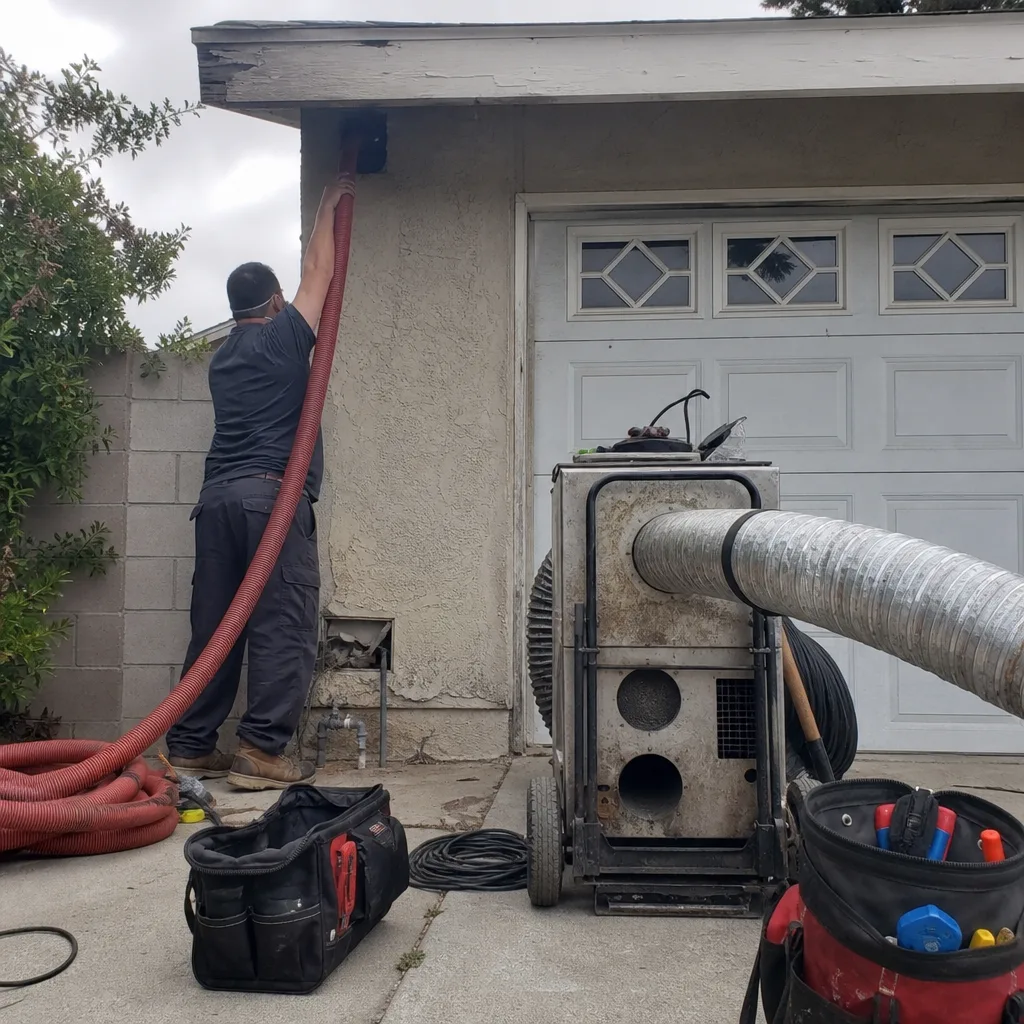 Before
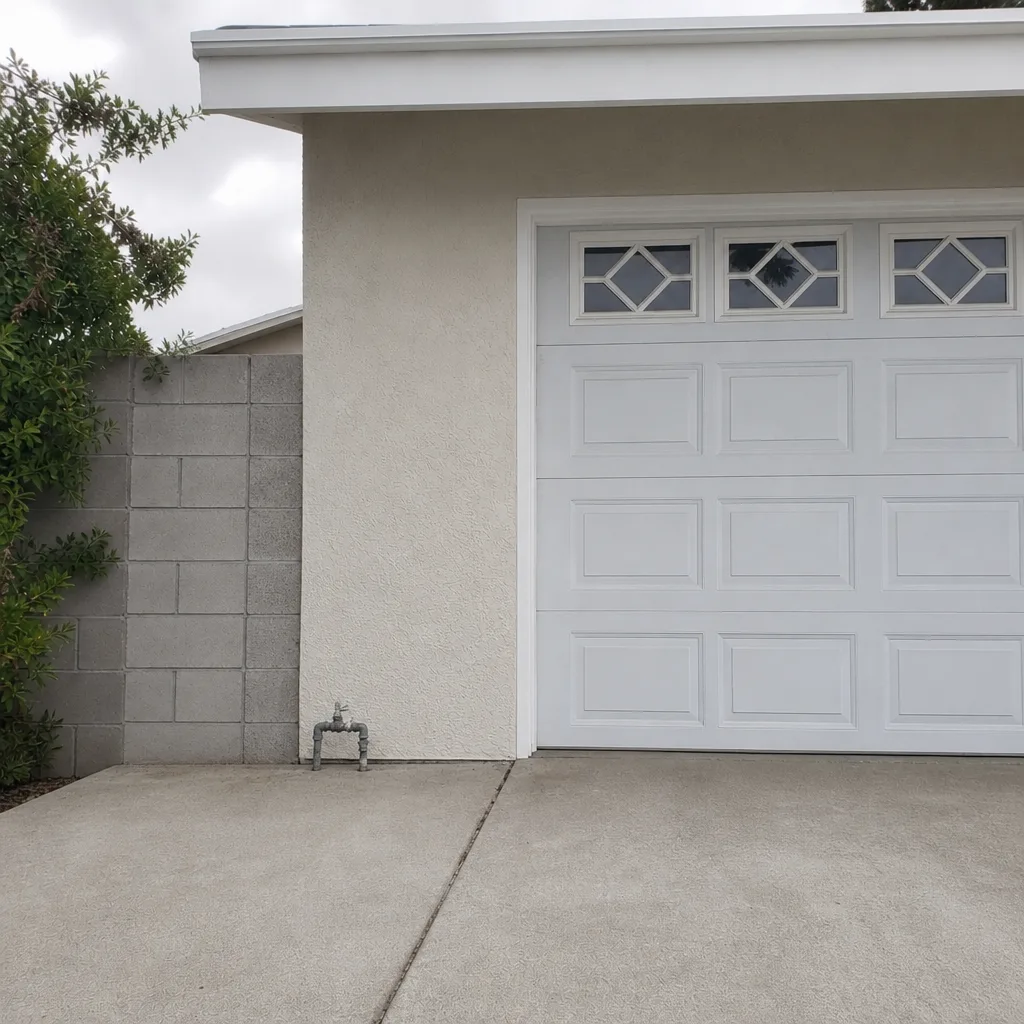 After