
Last updated November 4, 2026
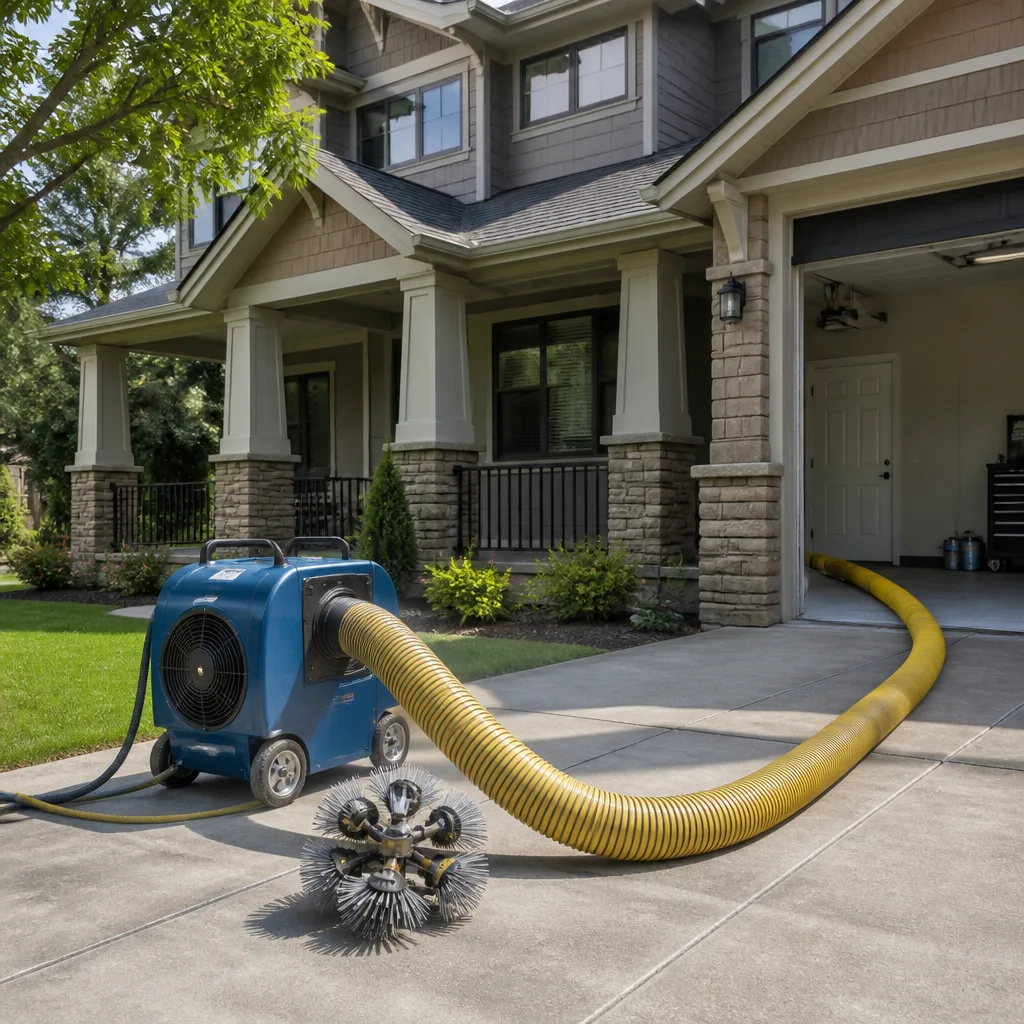 Whole-home duct cleaning
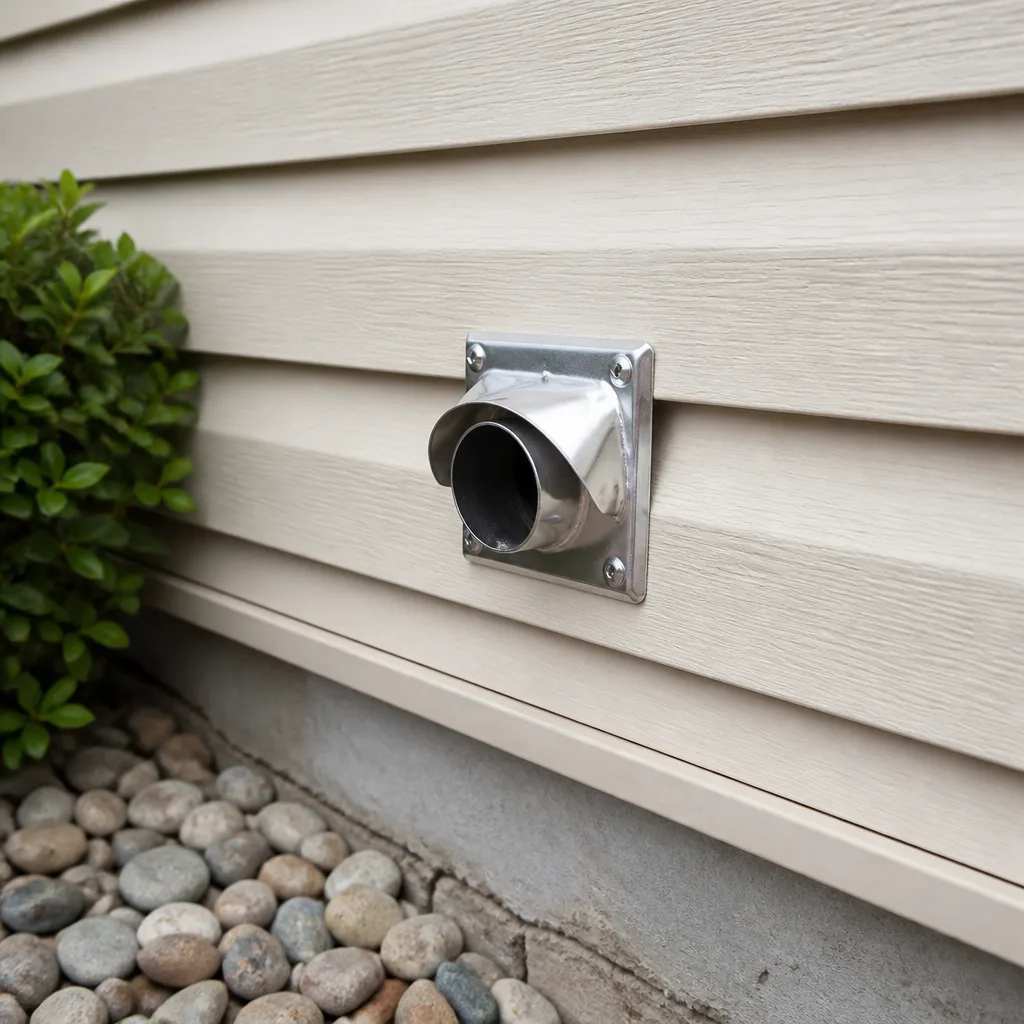 Dryer vent cleaning
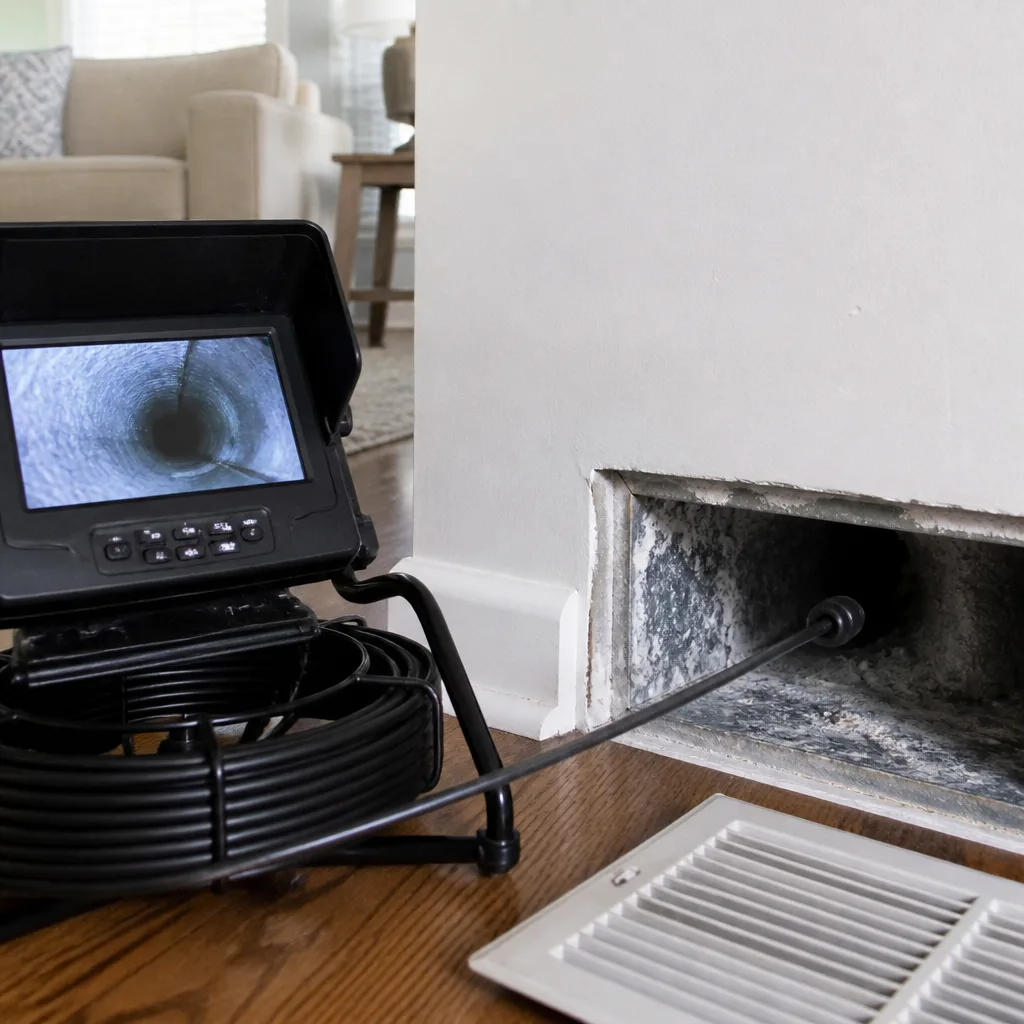 Camera inspection
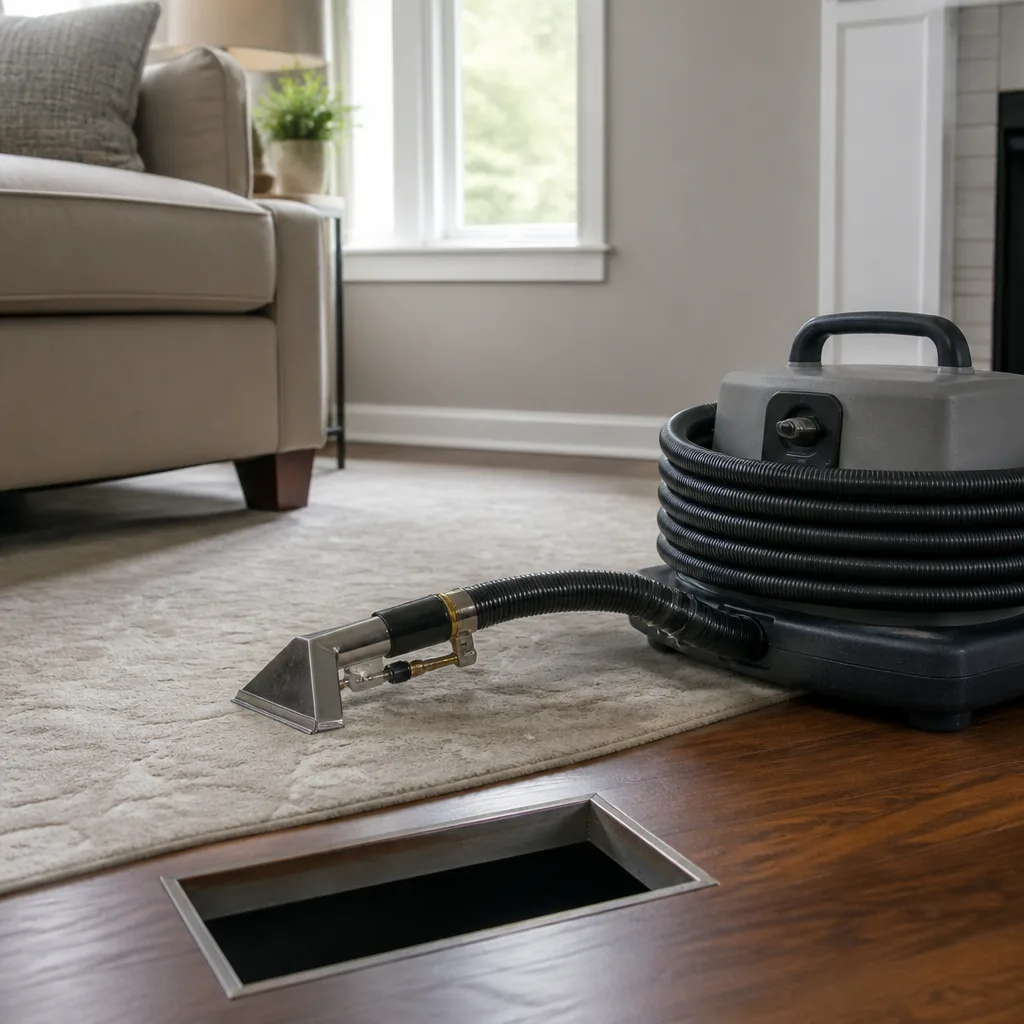 Sanitizing & deodorizing
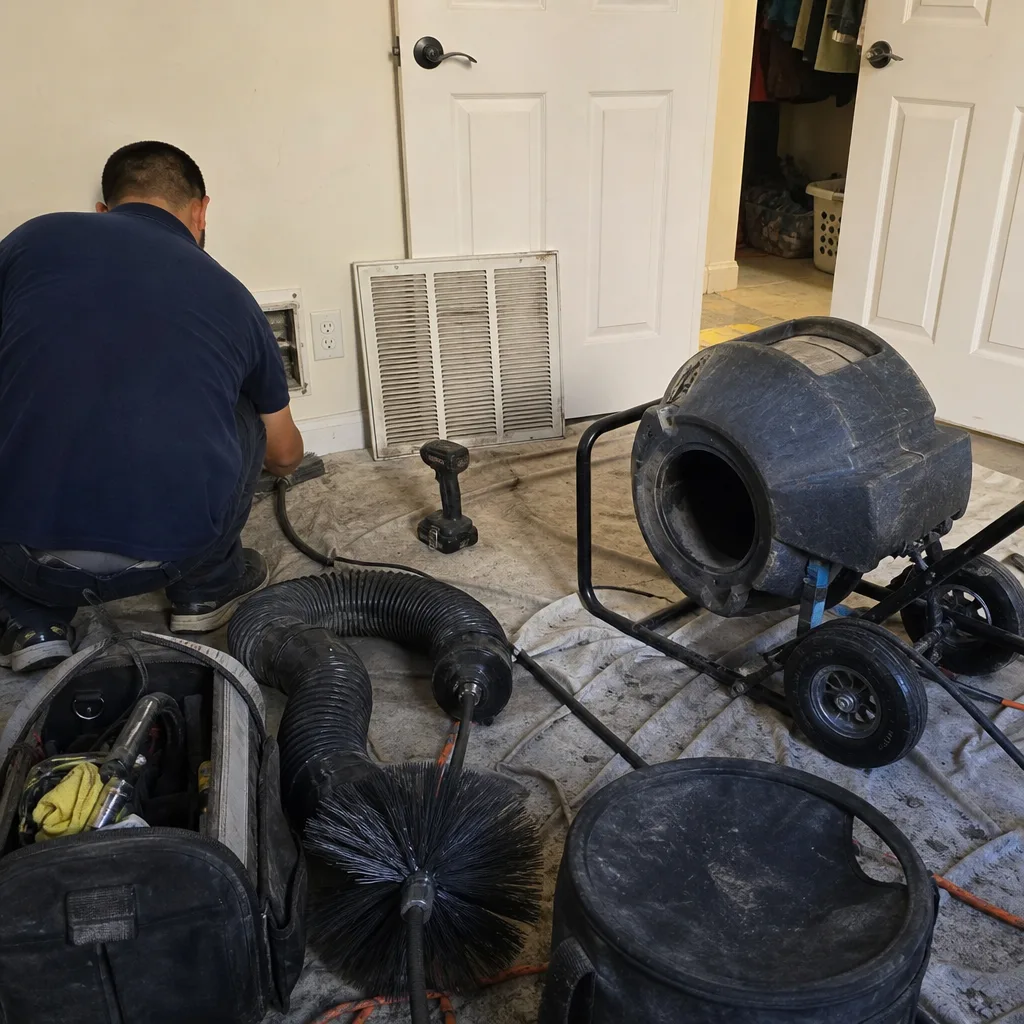
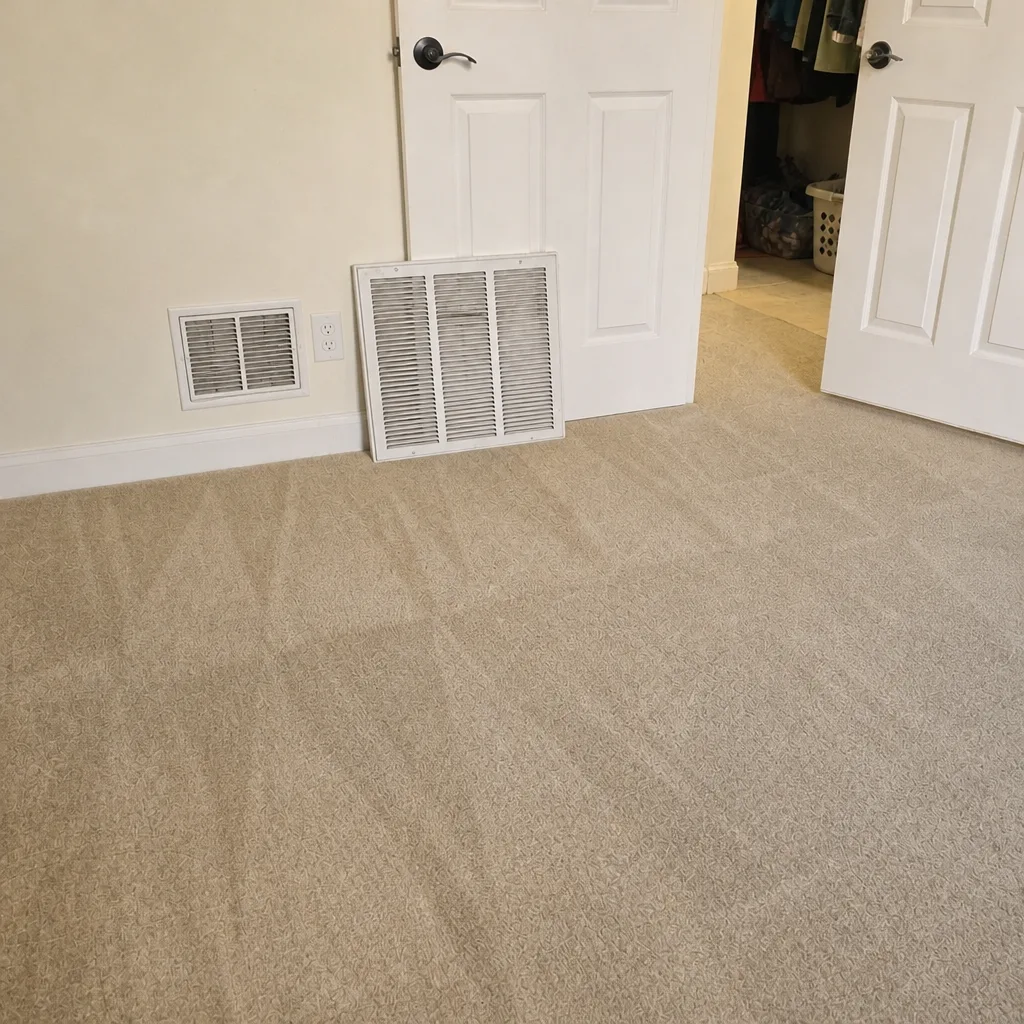
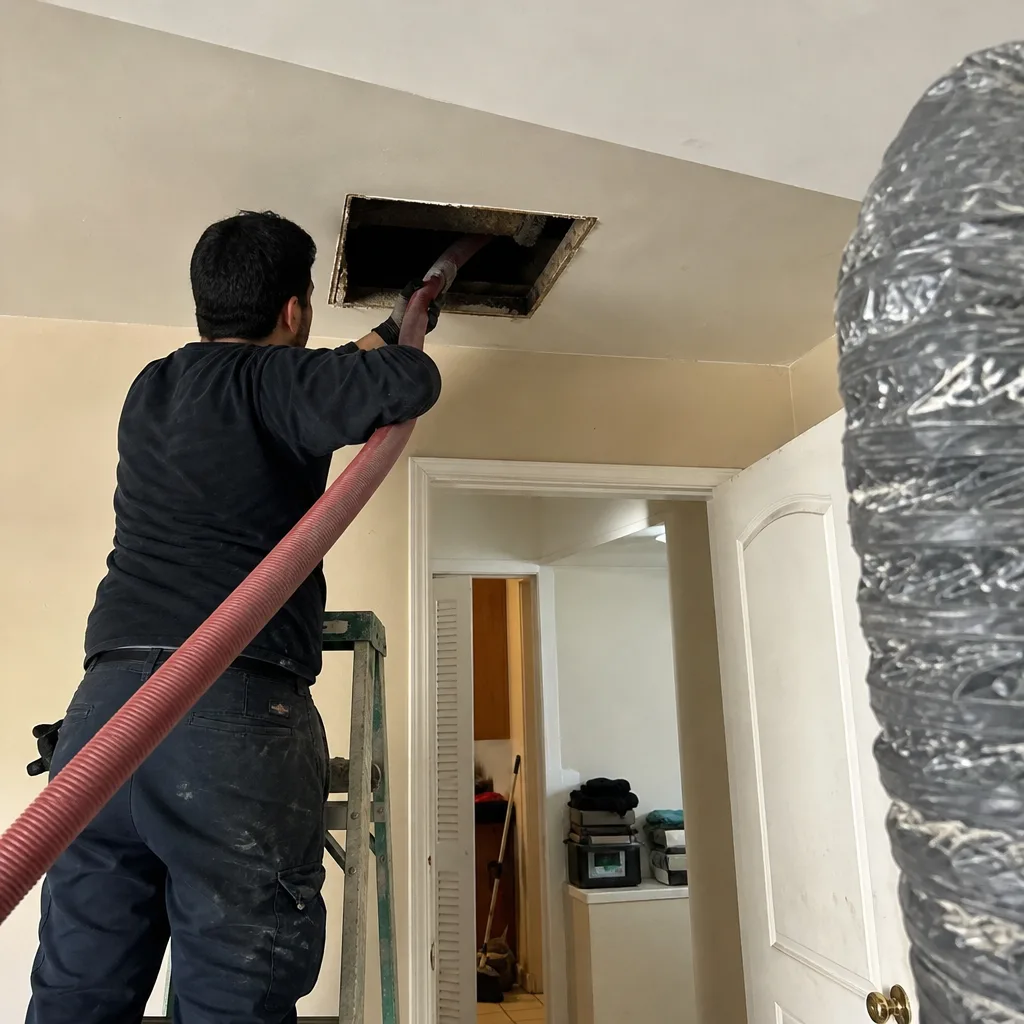
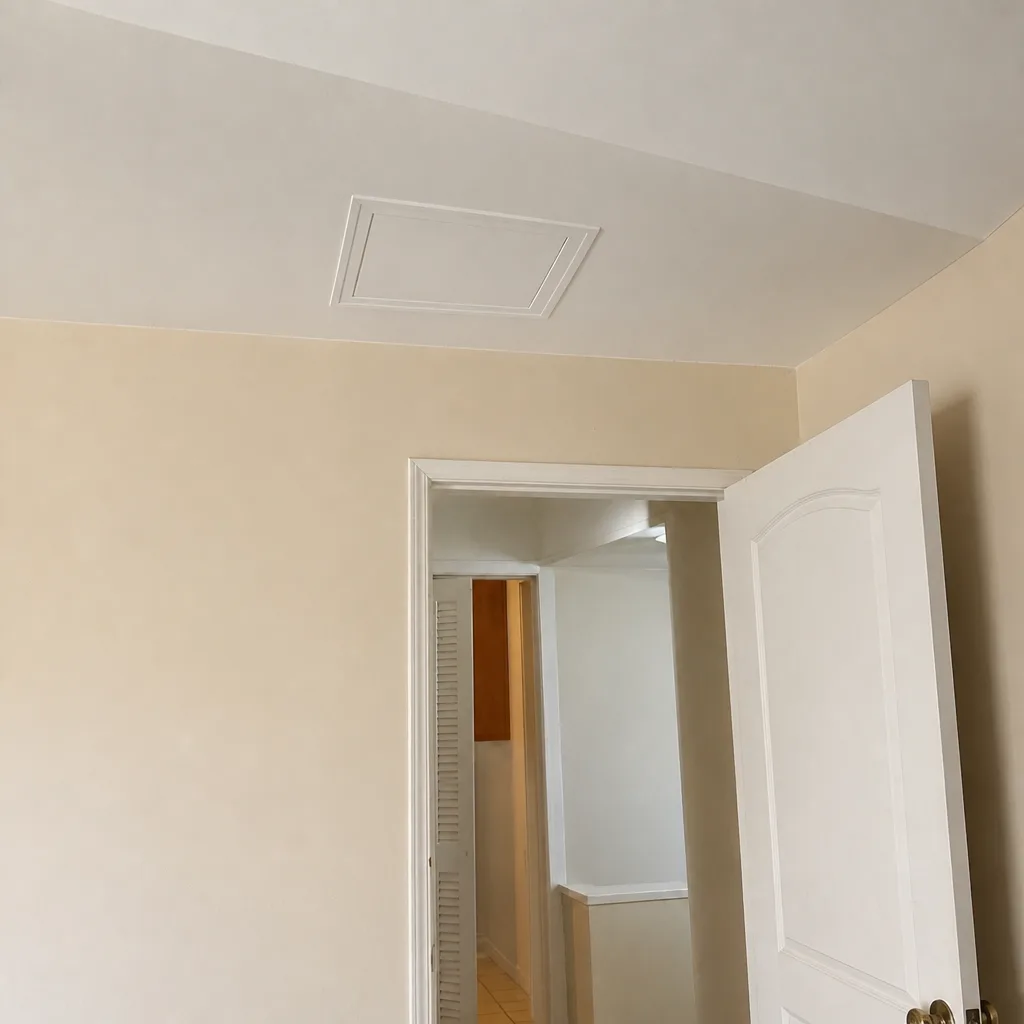
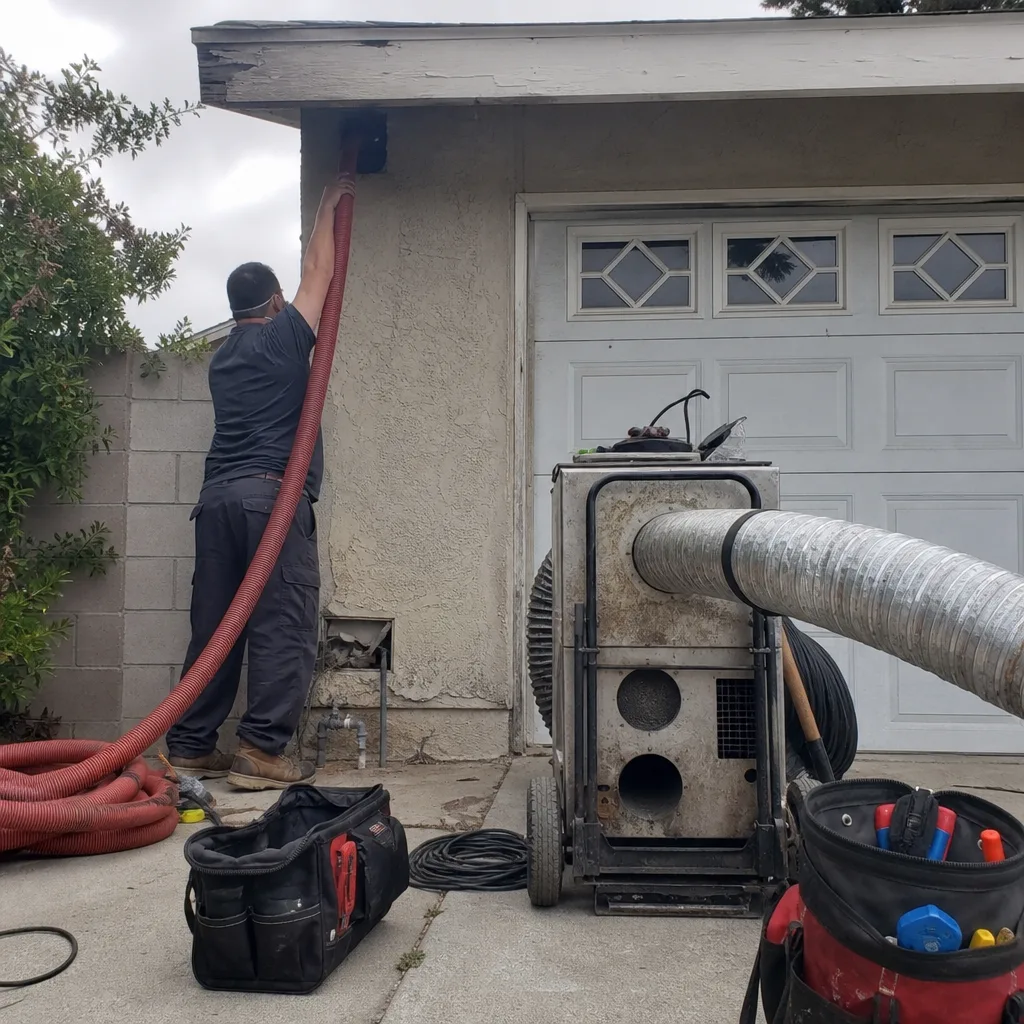
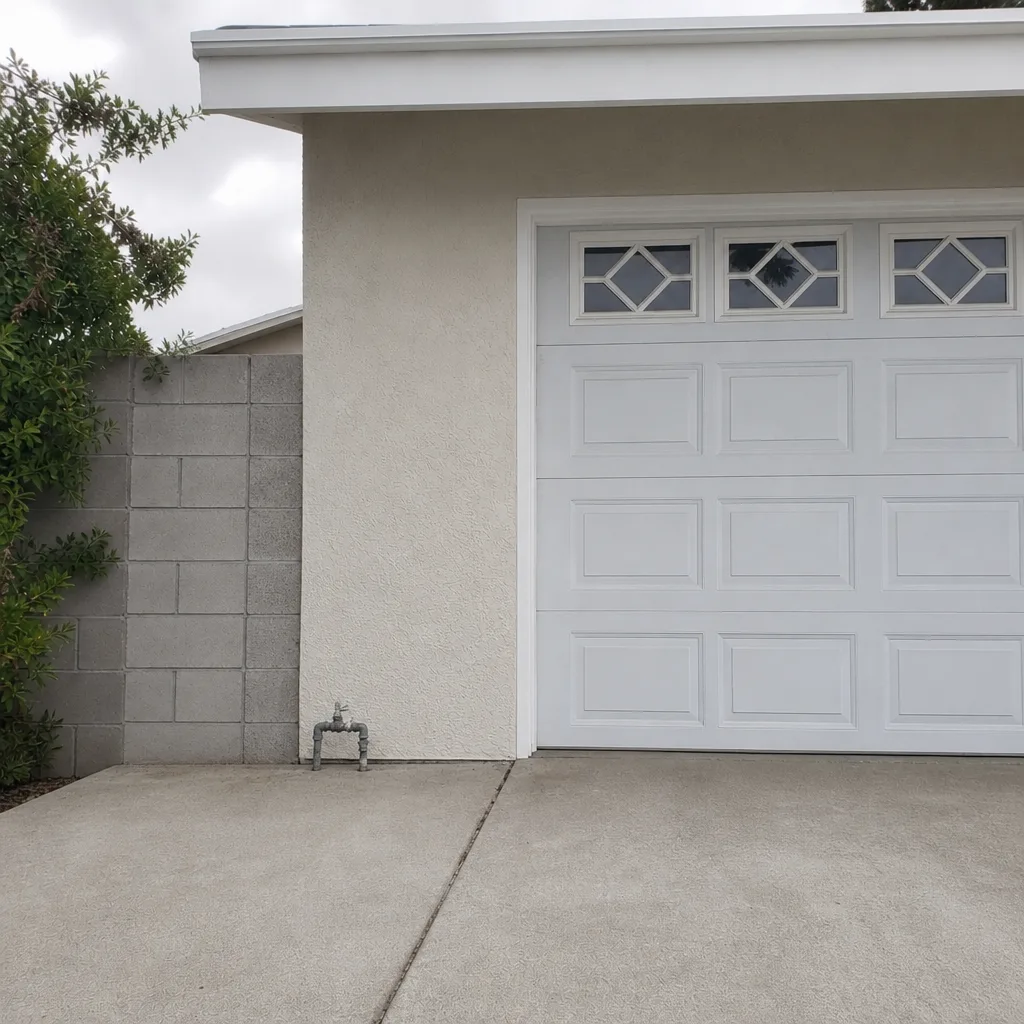
Whole-system duct and dryer vent check with before-and-after photos - you see exactly what came out of your vents
That "$99 whole-house special" is a bait ad - the real number appears once they are in your hallway, or the "clean" is a shop-vac at the register. We photograph the inside of your ducts before and after instead.
Air Duct Cleaning Maintenance Schedule: What to Do and When
Most homeowners in Chatsworth have been handed the same line at some point: clean your air ducts every three to five years. It sounds reasonable, easy to remember, and it fits neatly on a postcard. The problem is that it was never meant to be a universal prescription. The commonly cited interval came from research on average homes in average conditions, and your house along the 118 corridor, with its own mix of pets, remodel history, and wildfire-season exposure, may not be average at all. What actually determines when your ducts need attention is the rate at which debris accumulates in them, and that rate is set by the way you live. This guide explains how to read your home’s specific signals and build a maintenance schedule that matches what is actually happening inside your ductwork, not what a calendar says should happen. You will learn which tasks belong on a monthly list, which ones call for a professional, and how to use your HVAC filter as a real-time gauge between service visits. If you have ever wondered whether you are cleaning too often or not often enough, the answer starts with understanding what drives contamination in the first place.
Quick Answer
There is no single correct air duct cleaning interval for every Chatsworth home. A useful baseline is every 2 to 4 years for houses with pets or high HVAC run time, and every 4 to 6 years for a two-person home with no pets and no recent remodeling. The real schedule should be condition-based: inspect your filter loading, your registers, and your dryer vent monthly, and accelerate professional cleaning after any wildfire smoke event, major remodel, or water intrusion. Call (888) 494-4745 for a free estimate when the visual evidence tells you it is time.
Styles & brands we work with
- Whole-home duct cleaning
- Dryer vent cleaning
- Camera inspection
- Sanitizing & deodorizing
Table of Contents
- Why a Calendar-Based Schedule Fails Most Homes
- The Four Chatsworth Dust Multipliers That Set Your Interval
- Build Your Personal Interval Calculator
- The Month-by-Month Homeowner Task List
- Reading Your HVAC Filter as a Duct-Health Gauge
- Post-Wildfire Smoke Protocol for the San Fernando Valley
- What to Document After Each Professional Cleaning
Why a Calendar-Based Schedule Fails Most Homes
The three-to-five-year guideline is convenient but functionally useless for a household running the air conditioner ten months a year with two shedding dogs and a kitchen remodel last spring. It is also overkill for a single occupant in a two-bedroom condo who rarely opens windows and changes filters on a religious schedule. Calendar-based intervals ignore the only variable that matters: how fast particulate matter is entering and accumulating in the system. In Duct Cleaning Chatsworth service visits, we have seen systems that looked nearly new after six years, and systems that needed attention after eighteen months. The difference was never time. It was always the environment the system lived in.
Chatsworth’s specific climate also skews the average. Long cooling seasons mean extended HVAC run time, and every hour the blower runs it pulls whatever is in the air across the coil, through the filter, and into the return side of the ductwork. Homes near the 118 freeway corridor tend to pull finer, heavier particulate loads than homes tucked into the quieter residential streets south of Devonshire or east of Topanga Canyon Boulevard. The point is not that one neighborhood is worse; it is that your home’s location on the map is part of the equation. A schedule that works for a house near Chatsworth Park South may miss the mark entirely for a house a half-mile from the freeway. Condition-based scheduling, where you observe and respond to actual accumulation, is the only approach that accounts for all of this.
The Four Chatsworth Dust Multipliers That Set Your Interval
Debris does not enter ducts at a standard rate. It enters at a rate set by what lives in the house, what happens to the house, and where the house sits. In our experience across the San Fernando Valley, four factors do most of the work in determining whether a system runs clean for five years or needs attention in two.
- Pets, especially multiple indoor dogs or cats. Dander, hair, and the fine particulate that clings to both are drawn into return registers and then circulated. A house with two shedding animals can load a filter and coat duct interiors in a fraction of the time a pet-free home takes.
- Indoor smokers or frequent candle/incense burning. Combustion byproducts create a sticky residue that makes duct walls tacky. Once the surface is tacky, ordinary dust that would otherwise blow through now adheres. This changes the accumulation curve dramatically.
- Recent remodels or ongoing renovation work. Drywall dust is one of the most invasive contaminants we encounter. It is fine enough to bypass all but the best filters and it settles everywhere, including inside supply runs. Even a single bathroom remodel can introduce a year’s worth of particulate into the system in a month.
- Proximity to the 118 freeway corridor. Homes near the 118, particularly on the north side of Chatsworth, see consistently finer and heavier particulate loads than homes further south. This is a geographic multiplier, not a lifestyle one, but it applies continuously.
These multipliers stack. A home with two dogs, a smoker, and a recent remodel near the freeway will need a professional cleaning far more often than a pet-free, smoke-free home on a quiet street with no recent work. The point of the calculator below is to give you a starting point, not a final answer. The final answer always comes from what you see when you look.
Build Your Personal Interval Calculator
Start with a baseline of four years. Then adjust using the multipliers above. This is not a formula we pulled from a manual; it is the mental model we use when a Chatsworth homeowner calls and asks us how often they should schedule air duct cleaning. It has held up across thousands of local homes.
- Add one multiplier for each of the following that applies: two or more indoor pets, indoor tobacco smoking, a remodel completed in the last 24 months, or living within one mile of the 118 freeway corridor. Each of these reduces your interval by roughly one year.
- Subtract one multiplier adjustment if: you run a high-quality media filter or an electronic air cleaner, you keep windows closed during high-wind and wildfire days, and you change filters on schedule. A well-managed filtration setup can stretch the interval back out.
- Set your resulting interval between two and six years. No home in the San Fernando Valley should go longer than six years regardless of the calculation. And no home that has two or more multipliers should go longer than four.
- Reset the clock manually after any major event. A wildfire smoke season, a flood or water intrusion, or a major remodel resets your interval to zero. The last cleaning date stops mattering when a new source of contamination enters the system.
- Confirm with visual evidence before you commit. The calculator gives you a planning window. The actual trigger is what you see at the registers and on the filter. If the math says four years but your registers show dust streaking after two, the registers win.
This approach will not produce a single clean number like “clean every 41 months.” It produces a realistic range, which is the honest answer. Duct contamination is not linear, and any company that tells you otherwise is trying to sell you a postcard.
The Month-by-Month Homeowner Task List
Professional cleaning is an event. The maintenance schedule around it is a set of small, repeatable observations that take minutes each month. Here is what we recommend to every homeowner who wants to know what they can do between visits.
- Walk the registers once a month. Remove one supply register in a high-use room and look at the inside of the duct with a flashlight. You are looking for visible dust accumulation, dark streaking, or anything that looks like fibrous matting. Wipe the register face itself with a damp cloth.
- Inspect the return grille and the filter. This is the canary. A filter that is visibly dirty at 30 days is a signal that the system is pulling a heavier particulate load than it was designed for. Note the loading rate, then decide whether to upgrade the filter or adjust your cleaning interval.
- Check the dryer vent exterior hood monthly. Go outside to where the dryer vent terminates and look for lint buildup at the hood, visible clumping, or a flap that does not close fully. A restricted vent is a fire hazard, not a convenience issue, and dryer vent cleaning is a fire-safety service before it is anything else. If the hood looks dirty, ask us about dryer vent cleaning.
- Visual check on the air handler closet or cabinet. If your system is a closet-mounted or cabinet-mounted unit, the area around it should be clean and free of construction dust, pet litter dust, and stored household items. This is the air the system breathes.
- Note any new musty or stale odor when the system cycles on. Odors that appear only when the blower runs are usually coming from inside the system, not the room. Note the month you first noticed it; this is useful information for a technician.
- After any high-wind event or wildfire smoke day, do a register check early. High-wind days in the San Fernando Valley stir fine particulate that infiltrates homes even with windows closed. After a sustained event, look at the same supply register you check monthly. If the debris level jumped, that is a condition-based trigger.
None of these tasks substitutes for professional cleaning. What they do is give you the data you need to call a professional at the right time, not three years too late or five years too early.
Reading Your HVAC Filter as a Duct-Health Gauge
Your filter is the one component of the system you can observe without tools or training, and it tells you more than most people realize. What matters is not just whether the filter is dirty. It is how fast it got dirty, and what the dirt looks like.
Start by establishing a loading baseline. Install a fresh filter of the grade you normally use, note the date on the filter frame with a permanent marker, and check it every two weeks. A filter that shows visible gray loading across most of its surface in three to four weeks under normal operation is doing its job. A filter that is heavily loaded, dark, and fully covered in two weeks means the system is ingesting an abnormal particulate load. That is not a reason to panic; it is a reason to investigate.
The character of the loading also matters. Light gray household dust is typical. A filter that comes out brown or tan after two weeks in a pet-free home is worth a closer look; it suggests fine dirt infiltration, possibly from a duct leak on the return side or from exterior air intrusion. A filter with visible construction debris, drywall dust, or wood sanding residue is a sign that a recent remodel is still cycling through the system. That calls for professional cleaning sooner rather than later, because drywall dust in particular is highly abrasive and hard on blower motors.
Then consider filter grade. A low-cost fiberglass panel does very little beyond protecting the equipment from large debris. A mid-range pleated filter captures more and loads faster. If you upgrade your filter and the loading rate drops noticeably, that is a sign the system was collecting debris that the old filter was passing through. This is also where our familiarity with Honeywell and Aprilaire filtration systems and Guardsman products becomes relevant. These are inline air quality systems designed to capture more of what circulates. If you have one, it changes the loading equation and may extend the interval between professional cleanings.
The filter is a gauge, not a substitute. It reads the load on the system, and it protects the equipment. It does not clean the duct interiors downstream of it. That is a separate function, and it requires different equipment.
Post-Wildfire Smoke Protocol for the San Fernando Valley
Wildfire smoke in the San Fernando Valley is not a seasonal inconvenience; it is a contaminant event. Smoke particulate is exceptionally fine, highly invasive, and tends to linger in static air inside duct systems long after the outdoor air clears. When smoke enters a home, it finds its way into the HVAC system, and the system then recirculates it through every room on the supply side. The standard cleaning interval does not apply after a smoke event. The schedule resets.
Here is the protocol we recommend after any sustained wildfire smoke period that affected Chatsworth air quality for more than a few days. First, replace your filter, even if it was recently changed. Smoke loading is not always visually obvious, but the carbon and fine particulate it deposits reduce filter function in ways that are not worth gambling on. Second, do a register inspection within a week. Use a flashlight on the inside of a supply duct; if you see gray or black fine soot streaking, the system needs professional attention. Third, consider an accelerated cleaning if you can smell smoke when the system runs, even faintly. That odor is coming from accumulated particulate inside the ductwork, not from outside. Fourth, do not assume the smoke season is over when the sky clears. Duct systems are static spaces, and smoke particulate settles into them and waits. The system can redistribute it for months.
For homes near the 118 corridor or in the canyons on the northern edge of Chatsworth, this protocol matters even more. These areas see wildfire smoke more frequently and at higher concentration than the valley floor. Our equipment includes Abatement Technologies systems, which are built for contaminated duct environments; this is exactly the kind of situation where consumer-grade vacs fail and professional platforms are necessary. If your home took direct smoke exposure, call (888) 494-4745 and tell us what happened. We will help you determine whether a cleaning is warranted or whether the system just needs a filter change and time.
What to Document After Each Professional Cleaning
A professional duct cleaning should produce evidence, not just a receipt. The evidence is what allows the next technician, whether us or someone else, to benchmark the system’s actual condition against a known prior state. Without it, every visit starts from a guess.
After any professional cleaning, ask for or create the following documentation. First, before and after photos of the interior of at least one supply and one return duct, taken with the same camera or scope if possible. This is the single most useful piece of evidence you can keep. Second, a one-line note on what was found and what was done, in plain language. “Supply ducts coated with fine gray dust, cleaned with Rotobrush agitation and HEPA collection” is a useful record. Third, the filter size, type, and brand installed at the time of service, plus the date. Fourth, any note about duct repairs, disconnected sections, or leaks that were identified or addressed. If the company offers duct repair, and we do, this is where the finding goes. We offer air duct repair as a core service, not an afterthought, and a good cleaning visit is also a diagnostic visit. Fifth, any observation about abnormal conditions: rust, signs of water intrusion, evidence of rodent activity, or anything unusual about the system.
Store these records with the house file you keep for appliances and major systems. The next time the interval calculation points toward a cleaning, pull the file. It will tell you, and whoever you hire, whether the system is accumulating at the expected rate or doing something unusual. This is how condition-based scheduling actually works over the life of the house.
Common Mistakes to Avoid
- Cleaning on a calendar alone. The three-to-five-year rule is a starting point, not a schedule. If you have two dogs and a recent remodel, five years is far too long. If you live alone, keep filters fresh, and rarely open windows, three years may be early. Observe before you schedule.
- Using a low-cost filter and extending the interval because of it. A cheap fiberglass filter lets more debris through into the ductwork. That debris accumulates faster. A better filter can actually extend the interval between cleanings, while a worse one shortens it.
- Ignoring the dryer vent because it is “separate” from the HVAC system. It is a separate system, but it is a fire-safety system. Lint accumulation in a dryer vent is a leading residential fire cause. Include the vent in every maintenance walk-through.
- Assuming the smoke season ended when the sky cleared. Wildfire smoke particulate settles inside ducts and redistributes for months. If the system smells smoky after the air clears, the ducts are the source.
- Remodeling and then skipping a duct cleaning. Drywall dust and construction debris will circulate through the system for months after a remodel. This is one of the most common avoidable triggers we see in Chatsworth homes.
- Choosing a company on price alone. A very low bid almost always reflects lighter equipment and fewer steps. Consumer-grade vacs and shop-style equipment cannot match what Rotobrush and Nikro systems pull from a duct system. The gap is visible in the before and after photos.
- Not keeping records. Without documentation, the next cleaning is a guess. Two minutes of note-taking after each service visit gives you the benchmark you need to make good decisions for the life of the house.
See the difference
 Before
 After
 Before
 After
 Before
 After
When to Call a Professional
Call a professional when the visual evidence is unambiguous: visible dust streaking inside supply ducts, a filter that turns dark in under a month, a musty or smoky odor that recurs when the blower runs, or visible debris accumulation at register faces. Call after a remodel or a wildfire smoke season, even if the calendar says the system is fine. Call when the dryer takes noticeably longer to dry loads, because that is a vent restriction signal. And call if you have never had the ducts inspected and the home is more than a decade old. A trained look costs nothing. Chatsworth homeowners can reach Duct Cleaning Chatsworth at (888) 494-4745. We answer 24/7. Fast dispatch from 7am to 7pm, Sunday through Friday. Estimates are free, and the written estimate sets the price.
Frequently Asked Questions
There is no single correct answer for every Chatsworth home. Homes with pets, a recent remodel, a smoker, or proximity to the 118 corridor should plan on every 2 to 4 years; a clean, pet-free, smoke-free home may go 4 to 6 years. Use the condition-based calculator in this guide to find your range. Call (888) 494-4745 for a free estimate if you are unsure whether your system is due.
Remove a supply register, shine a flashlight inside the duct, and look for visible dust accumulation or dark streaking. Then look at your current filter; if it is heavily loaded in under a month, the system is pulling more particulate than normal. Either signal is a reason to schedule an inspection.
Usually yes, if the smoke event was sustained and you can smell smoke when the system runs. Smoke particulate settles into ducts and redistributes for months. Replace the filter immediately, inspect the registers, and call us at (888) 494-4745 if you see soot streaking or smell smoke on startup.
Not necessarily. A dirty filter means the filter is doing its job. The duct interiors are downstream of the filter, so the filter’s condition does not directly show what is inside the ducts. However, a filter that loads unusually fast is a signal that more particulate is entering the system than typical, which often corresponds with duct accumulation.
Walk the registers monthly, inspect the filter every two weeks, check the dryer vent hood monthly, and note any new odors that appear when the blower runs. These small observations give you the data to schedule your next professional cleaning at the right time instead of guessing.
Cost depends on the size of the system, the number of returns and supplies, the level of contamination, and whether any duct repair is needed. We never give per-vent teaser pricing; we give one flat price per system after an on-site look, written into an estimate before work starts. Call (888) 494-4745 for a free estimate. We answer 24/7.
The Bottom Line
A good duct cleaning maintenance schedule is built on observation, not on a calendar. Start with a realistic interval range based on the four Chatsworth multipliers: pets, smokers, remodels, and freeway proximity. Then confirm or adjust that range with monthly register and filter checks, and reset the clock after any wildfire smoke season or major renovation. Document every professional cleaning so the next one starts from evidence, not guesswork, and treat the dryer vent as a monthly fire-safety check, separate from the HVAC system. If you do these things, you will never clean too early or too late. You will clean when the system tells you it is time.
Written by the team at Duct Cleaning Chatsworth, serving Chatsworth since 2017.