
Last updated November 4, 2026
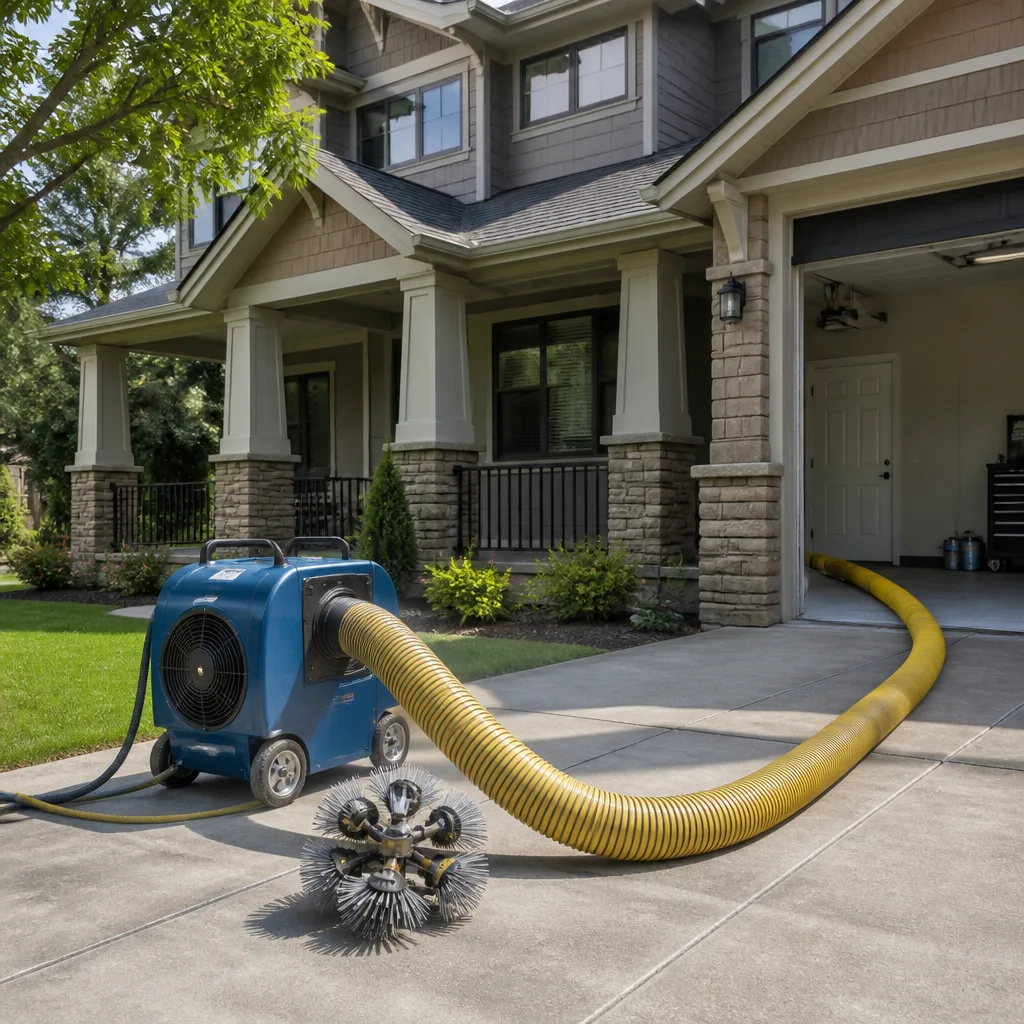 Whole-home duct cleaning
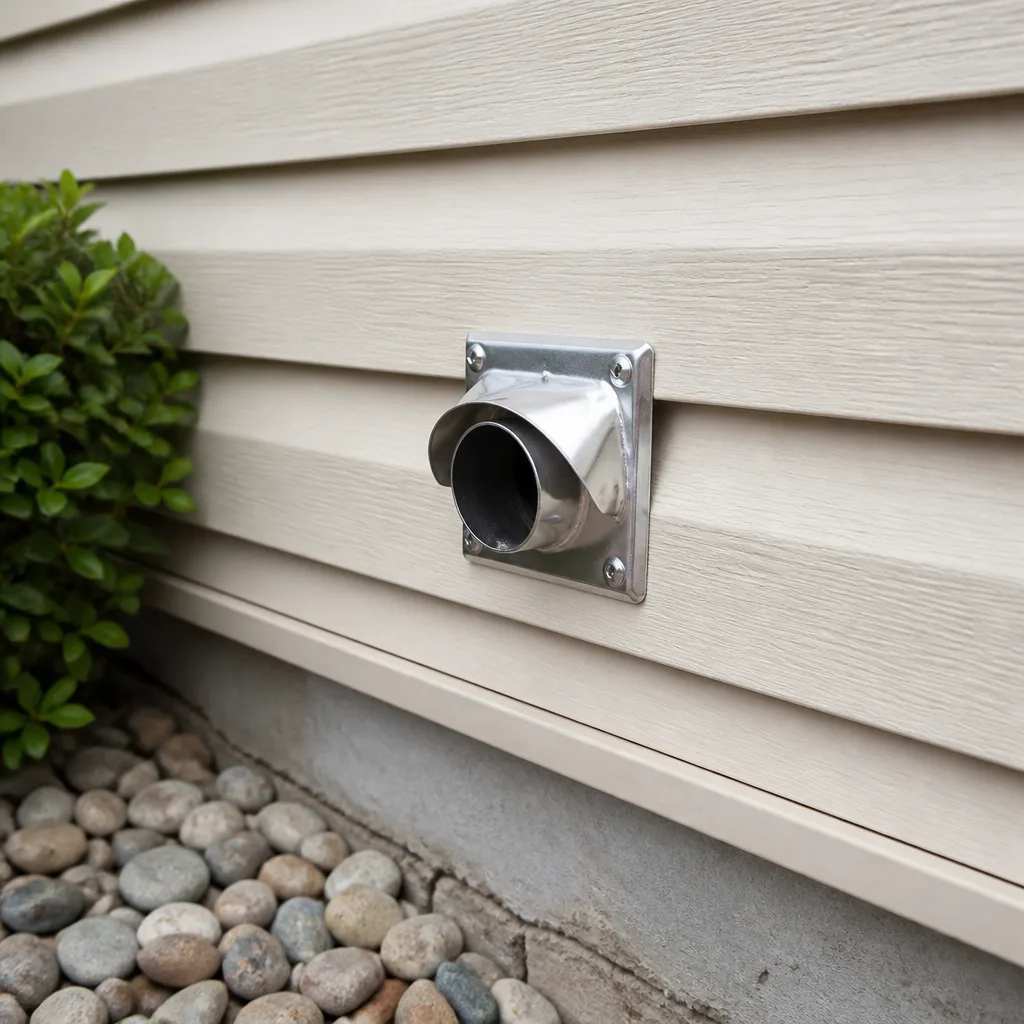 Dryer vent cleaning
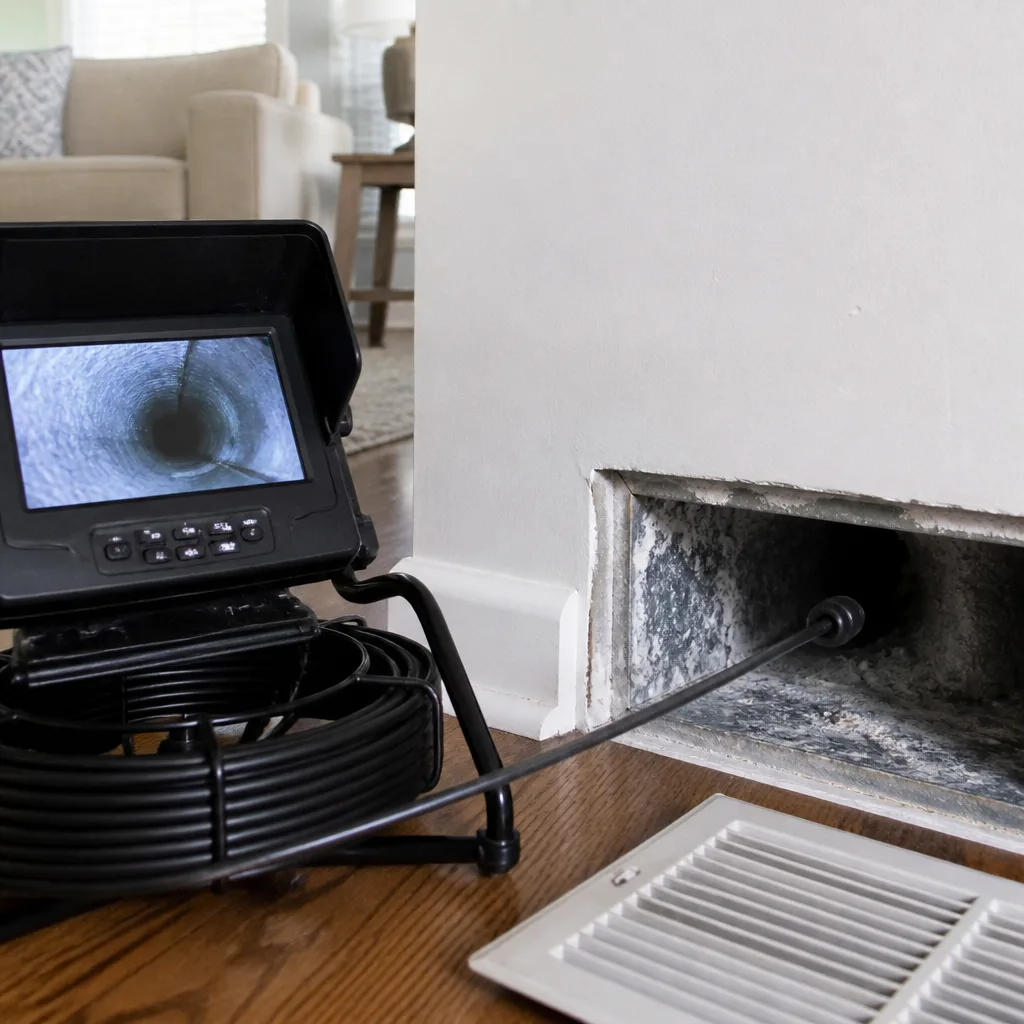 Camera inspection
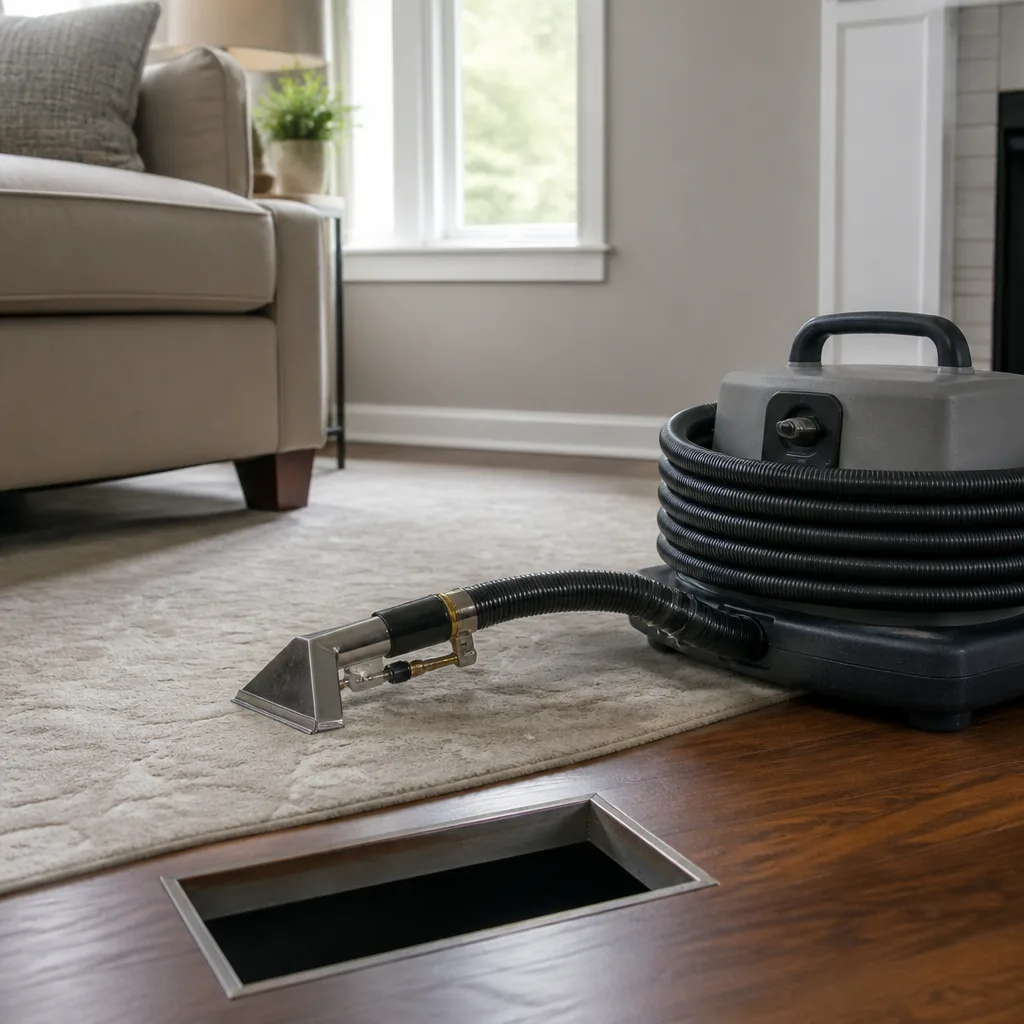 Sanitizing & deodorizing
Whole-system duct and dryer vent check with before-and-after photos - you see exactly what came out of your vents
That "$99 whole-house special" is a bait ad - the real number appears once they are in your hallway, or the "clean" is a shop-vac at the register. We photograph the inside of your ducts before and after instead.
Air Duct Cleaning Emergency Preparedness Guide for Chatsworth Homes
Most Chatsworth homeowners think of emergency preparedness as a go-bag, bottled water, and a family meeting spot. Those matter. But FEMA and Red Cross guides tell you to shelter in place during wildfire smoke events, seal doors and windows, and wait for evacuation orders. They don’t tell you that the moment your HVAC system kicks on during or after that event, it pulls contaminated air through every inch of your duct system and deposits it on internal surfaces where it will off-gas for weeks. This guide fills that gap: the specific, sequential steps to protect and restore your duct system before, during, and after a Chatsworth wildfire or Santa Ana wind event.
Quick Answer
Air duct cleaning after a wildfire smoke event in Chatsworth should follow a strict sequence: shut the system down during the event, keep it off until outdoor air clears, replace filters, and have ducts professionally assessed and cleaned using equipment rated for fine particulate and smoke residue removal before resuming normal operation. A standard dust-only cleaning pass may not be sufficient for wildfire ash, which requires different cleaning chemistry and often includes an access-point inspection for compromised seals. Chatsworth sits within the documented impact zones of both the 2018 Woolsey Fire smoke corridor and recurring Santa Ana wind events, so this is not optional maintenance here. It is a health-critical response step most preparedness guides never mention.
Styles & brands we work with
- Whole-home duct cleaning
- Dryer vent cleaning
- Camera inspection
- Sanitizing & deodorizing
Table of Contents
- The Santa Ana Reality: Why Chatsworth Ducts Need Specific Emergency Prep
- The Shutdown Protocol: What to Do the Moment Smoke Arrives
- Returning Home After an Evacuation: Assess Before You Power On
- Wildfire Ash vs. Standard Dust: Why the Cleaning Chemistry Matters
- Documenting Duct Condition for Insurance Before Any Cleaning Begins
- Pre-Season Hardening: Steps to Reduce Contamination Intake Before Fire Season
- Common Mistakes to Avoid
- When to Call a Professional
The Santa Ana Reality: Why Chatsworth Ducts Need Specific Emergency Prep
Chatsworth sits in the northwestern San Fernando Valley, directly in the path of the Santa Ana winds that sweep down through passes and corridors each fall. Those same winds that dry out brush and push fire also push fine ash and smoke particles into homes even when the fire itself never reaches a neighborhood. You don’t have to be under an evacuation order to have your air quality affected. You just have to be downwind.
The 2018 Woolsey Fire burned through the hills west of Chatsworth, and its smoke corridor blanketed the valley for days. Homes miles from any flame had ash film on window sills, car windshields, and patio furniture. That same ash was inside the duct systems of thousands of homes, settled onto the interior surfaces of return and supply runs, waiting to be recirculated every time the blower kicked on. A homeowner in Chatsworth who never saw a single ember on their property could still have had a duct system carrying Woolsey ash for months afterward.
This is the reason specialized emergency preparedness for your duct system exists as its own conversation. The standard advice to change your air filter and move on works for routine dust. It does not work for wildfire ash, which is finer, chemically different, and far more persistent. Chatsworth homeowners need a plan built around the specific threat profile of the Santa Ana corridor, not a generic “change your filter” checklist.
The Shutdown Protocol: What to Do the Moment Smoke Arrives
When you first smell smoke or see ash accumulating outside, you need a clear sequence of actions. The instinct to turn up the air conditioner or run the fan is wrong. A running HVAC system is actively pulling contaminated outdoor air into the home and forcing it through the duct network. Every minute of operation distributes more particulate to more surfaces.
Here is the step-by-step order we recommend for any Duct Cleaning Chatsworth homeowner when a wildfire or heavy Santa Ana wind event sends smoke into the area:
- Shut the system down completely. Turn the thermostat to “off.” Do not run the fan in “on” or “circulate” mode. The fan alone moves air through contaminated ducts and returns it to living spaces.
- Seal windows and doors. This is the standard shelter-in-place advice, but it only helps if the HVAC system is also off. Sealing the envelope while the blower runs is only half the job.
- Seal any fresh-air intakes if your home has them. Some newer Chatsworth homes have dedicated outside air intakes for ventilation code compliance. Close or cover these at the source. If you’re not sure where yours is, find it now, not during an event.
- Do not resume HVAC operation until outdoor air clears and you can verify visible ash has settled. The system is not a substitute for an air purifier during a smoke event. Running it for “filtration” simply packs the filter and passes fine particulate past it.
- Replace the filter before the next startup. Even if the filter was new before the event, it has been loaded with smoke particulate from the last time the system ran. A loaded filter becomes a source of contamination, not a barrier.
- Schedule a duct assessment before resuming normal operation if the event lasted more than a day or if visible ash entered the home. This is the step most guides skip. The filter catches a fraction of what passes through. The rest is inside the ducts.
We have seen Chatsworth homes where the furnace closet itself was the clearest indicator of what was happening. Fine ash accumulates around the blower cabinet and return register edges during a heavy smoke event. If you see that, the interior of the ducts is carrying more.
Returning Home After an Evacuation: Assess Before You Power On
When an evacuation order is lifted and you return to a home in Chatsworth, the impulse is to turn the air conditioning on immediately and flush the house. That impulse can do more harm than good if the duct system has been compromised during the event.
Follow this assessment sequence before you power the system on:
- Inspect the exterior of the home for visible ash accumulation around windows, vents, and the roofline. If the exterior is coated, so is the interior air path.
- Check every return register and supply grille in the house. Remove the register cover and look inside. Use a flashlight. You’re checking for ash film, unusual odor, and any sign of soot streaks. If you see gray or black residue around the register edges, do not run the system.
- Go to the HVAC unit itself. Check the blower cabinet and the area around the air handler for visible ash. If the unit is in a garage, the garage door has likely been opened and closed multiple times, pulling outside air into the space where your HVAC equipment sits.
- Smell the return air path. A smoke odor at the return grille with the system off indicates the ductwork has absorbed smoke particulate. Running the blower will push that odor through the entire home and bake it into carpets, upholstery, and drywall.
- If anything in this assessment comes back positive, keep the system off. Call for a professional duct assessment before bringing air through the system. The cost of a cleaning is a fraction of the cost of odor abatement for an entire home once smoke smell has permeated every surface.
For Chatsworth homes built before central air conditioning became standard, many systems have return air paths that run through wall cavities and attic spaces that were never properly sealed. Wildfire smoke under pressure, like the kind driven by Santa Ana winds, finds its way into those cavities. A duct assessment after a smoke event should include inspection of return air pathways, not just the visible ducts. This is exactly what we look for when a homeowner calls after an evacuation return.
Wildfire Ash vs. Standard Dust: Why the Cleaning Chemistry Matters
Wildfire ash is not the same thing as the household dust that accumulates in ducts over years of normal operation. Standard household dust is primarily skin cells, fabric fibers, pet dander, and tracked-in soil. It is dry, loose, and responds well to mechanical agitation and negative-pressure extraction. A standard air duct cleaning pass with a Rotobrush or Nikro system removes this type of debris easily. That is what those platforms were designed to do.
Wildfire ash is different. It contains fine combustion byproducts, partially burned organic material, and chemical residues from whatever burned: trees, brush, but also structures, vehicles, and treated landscape materials. The particulate is smaller. It adheres to surfaces differently. And it carries an odor that lingers even after visible residue is gone.
This is why a standard cleaning pass alone may not be sufficient after a significant smoke event. The dusting-only approach leaves behind the chemical film that smoke deposits on duct walls. That film continues to off-gas odor for weeks even after the bulk particulate has been removed. Proper post-smoke decontamination requires adding a cleaning step beyond what a routine maintenance cleaning uses, which is why equipment matters. Abatement Technologies platforms and similar remediation-grade tools are designed for contaminated environments, not just routine dust removal, because the job is genuinely different.
In our experience, a rule of thumb for Chatsworth homeowners is this: if the event was long enough to leave a visible ash film outside, the ducts need more than a standard clean. If you only smelled smoke for a few hours and never saw ash accumulation, a standard cleaning combined with a filter upgrade may be sufficient. The distinction is not academic. Cleaning with the wrong approach can leave the problem embedded and give you a false sense of resolution.
Documenting Duct Condition for Insurance Before Any Cleaning Begins
Here is a step most Chatsworth homeowners never think about until it is too late: documenting your duct system before cleaning can be the difference between an accepted insurance claim and a denied one. Cleaning removes the evidence. That is the entire point of cleaning. But if you are going to file a claim for smoke contamination, you need the evidence documented first.
The sequence that protects your claim is:
- Photograph every register, grille, and access point before any cleaning work begins. Use your phone. The goal is visual proof of ash residue, soot streaking, or visible discoloration around the edges. Turn the flash on. Get close enough to show the residue.
- Take a photo of the filter with the date written on a piece of paper next to it. A filter blackened with smoke particulate is strong evidence, but only if it can be tied to the event and the location.
- If you have an air quality monitor with screenshots or logged data, store those readings. Indoor particulate spike data is useful, but it must be time-stamped and tied to the event window.
- Have a written contractor assessment completed before any work begins. This is important. A professional assessment that states “smoke residue present in return duct, supply trunk, and supply branches” is a third-party written record. Without it, an adjuster may argue that you cleaned a standard dust problem and tried to call it a fire event.
- Keep all receipts, photographs, and the assessment in one file. If a second fire event happens next season, that file becomes your baseline for future claims.
The companies that handle post-wildfire duct cleaning properly in this area know this sequence. A cleaner who promises to “make everything look like new” without documenting the before condition is not doing you a favor. They are erasing your claim. We see the documentation step as part of the job, because in Chatsworth, wildfire smoke is a recurring event, not a once-in-a-lifetime anomaly.
Pre-Season Hardening: Steps to Reduce Contamination Intake Before Fire Season
Every fall, before Santa Ana season ramps up, a Chatsworth homeowner can do a few things to reduce how much smoke and ash gets into the duct system in the first place. This is the closest thing to true emergency preparedness for your HVAC. You do it before the emergency, so the emergency does less damage.
The highest-value hardening steps are:
- Upgrade to MERV 13 filtration if your system can handle the static pressure. Not every blower can push air through a MERV 13 filter without a significant airflow reduction. Have a professional verify airflow after an upgrade. We stock and service air quality systems from Honeywell and Aprilaire, so we can help you identify a filter that balances particle capture with airflow.
- Seal return air pathways. This is especially important in older Chatsworth homes where the return air travels through wall cavities and panned floor joists that were never sealed. Gaps in the return path pull attic air and smoke into the system even when doors and windows are closed.
- Inspect attic access points and the duct connections at all boots and takeoffs. Loose fittings are contamination intake points. Holes in the duct from years of temperature cycling allow smoke to enter the air stream alongside the filtered air.
- Verify the filter rack seals tightly. A filter that doesn’t seal lets air bypass the filter entirely and bring unfiltered smoke straight into the system. We see this in a surprising number of homes. The filter looks fine. The installation doesn’t.
- Have dryer vents checked at the same time. In a Santa Ana wind event, a poorly sealed exterior dryer vent damper allows wind-driven ash into the dryer vent line and the laundry room. The vent runs directly to the outside. It has no filter. Dedicated dryer vent cleaning and inspection should be part of your pre-season checklist, not an afterthought.
The homes we work on in Chatsworth vary widely in age and HVAC design. Not every hardening step applies to every home. A mid-century ranch with a hallway return has different vulnerabilities than a 2010 two-story with returns in every bedroom. The point is to do something, not everything. One well-targeted improvement is better than a list you ignore.
Common Mistakes to Avoid
- Running the HVAC fan in “on” mode during a smoke event to “filter the air.” This continuously pulls smoke into the ducts and embeds the smell everywhere. The system is not a whole-house air purifier during a wildfire. Shut it off.
- Replacing the filter after a smoke event and calling it done. The filter catches only a fraction of what passed through the system. The rest is on the interior surfaces of the ducts, off-gassing. Filter replacement is step one, not the whole fix.
- Cleaning the ducts yourself with a shop vac. A shop vac has no HEPA filtration and no negative-pressure capability. It does not remove fine particulate from branch runs. It just agitates it and releases it into the room. Rotobrush and Nikro systems exist specifically because this job requires professional-grade tools.
- Skipping documentation before calling a cleaning company. Photograph everything first. Once the evidence is cleaned away, an insurance claim becomes much harder to support.
- Hiring the cheapest duct cleaner in the valley after a smoke event. Post-wildfire contamination requires different chemistry and more thorough work than a routine dust cleaning. Paying for a dust-only pass on a smoke-contaminated system will leave residual odor and give you false confidence.
- Ignoring the odor. A smoke odor that persists after cleaning is usually a sign of residue in places the first cleaning did not reach: inside the air handler, on the blower wheel, in the return air wall cavities. Odor is data. It is telling you the job is not done.
- Assuming next year’s fire will behave like the last one. Chatsworth’s wind patterns and fire behavior vary year to year. A house that escaped damage in one event may be directly in the path of the next. Hardening the duct system is a recurring annual task, not a one-time project.
When to Call a Professional
Call a professional when the ducts have been exposed to wildfire smoke for more than a day, when you see visible ash at registers or around the blower cabinet, when a smoke odor persists after filter replacement, or when you cannot verify the condition of the system yourself because access points are in the attic or crawl space. These are not situations where a filter change and a week of open windows resolves the issue. Duct Cleaning Chatsworth offers free estimates in Chatsworth. Call (888) 494-4745. We answer 24/7. Fast dispatch from 7am to 7pm, Sunday through Friday.
If a return air pathway in an older Chatsworth home has never been sealed, or the ducts themselves have never been professionally assessed, the pre-season hardening step often reveals problems that are easier to fix in September than in November. Air duct repair is a core part of what we do: clean ducts are the start, sealed and repaired ducts are the finish.
See the difference
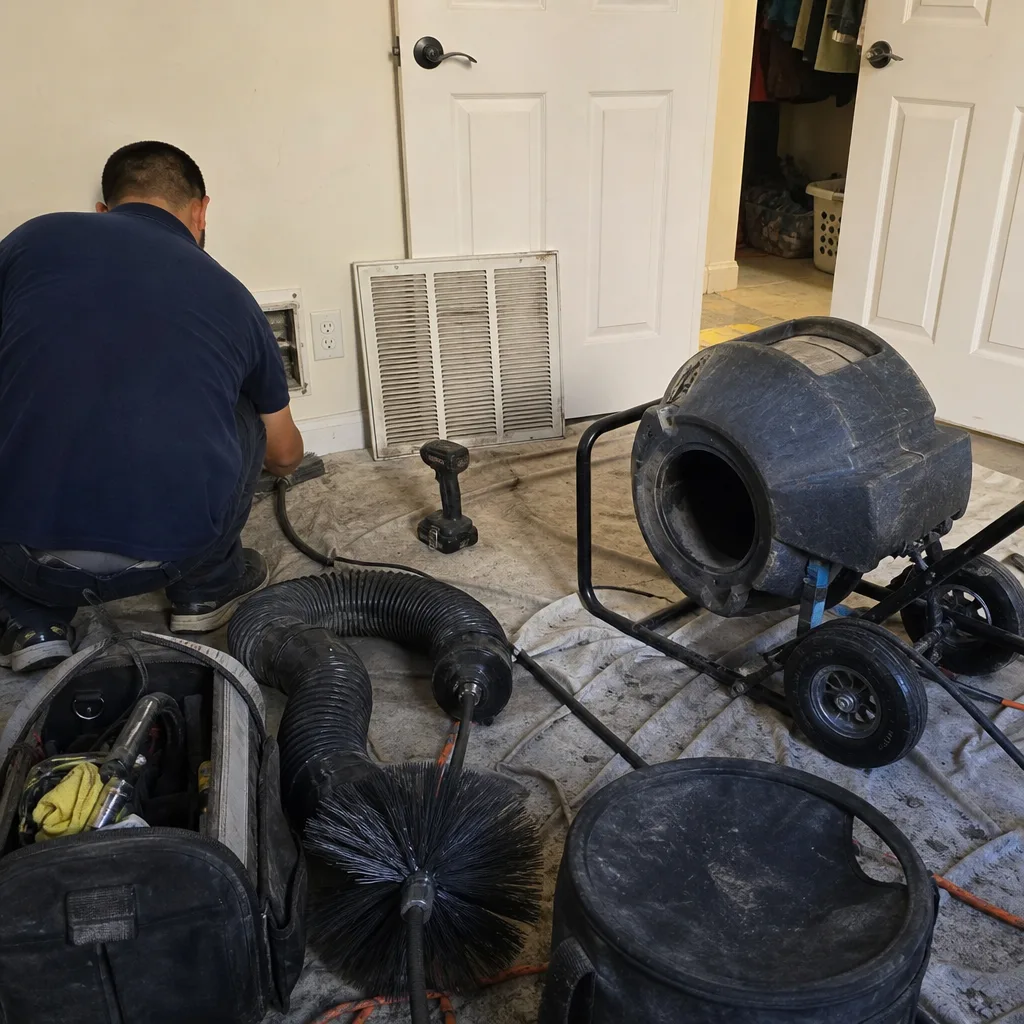 Before
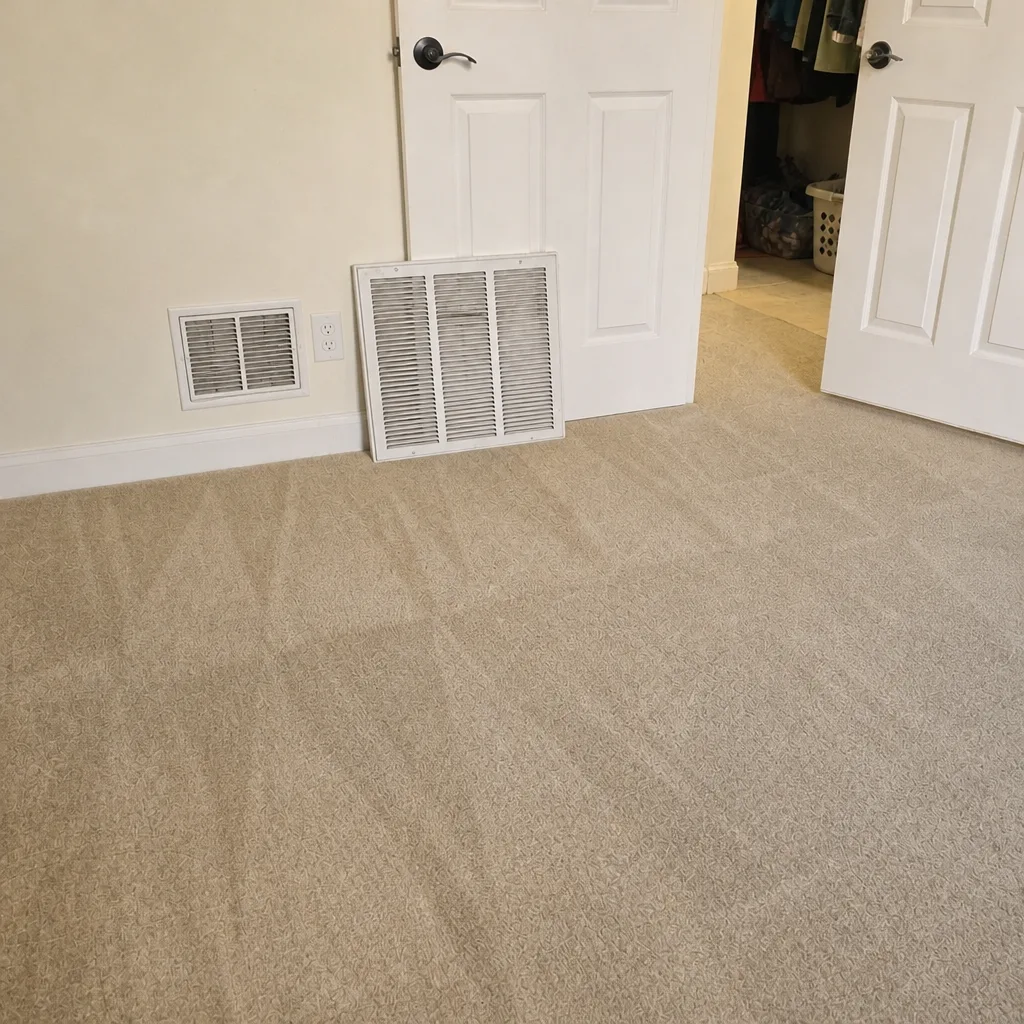 After
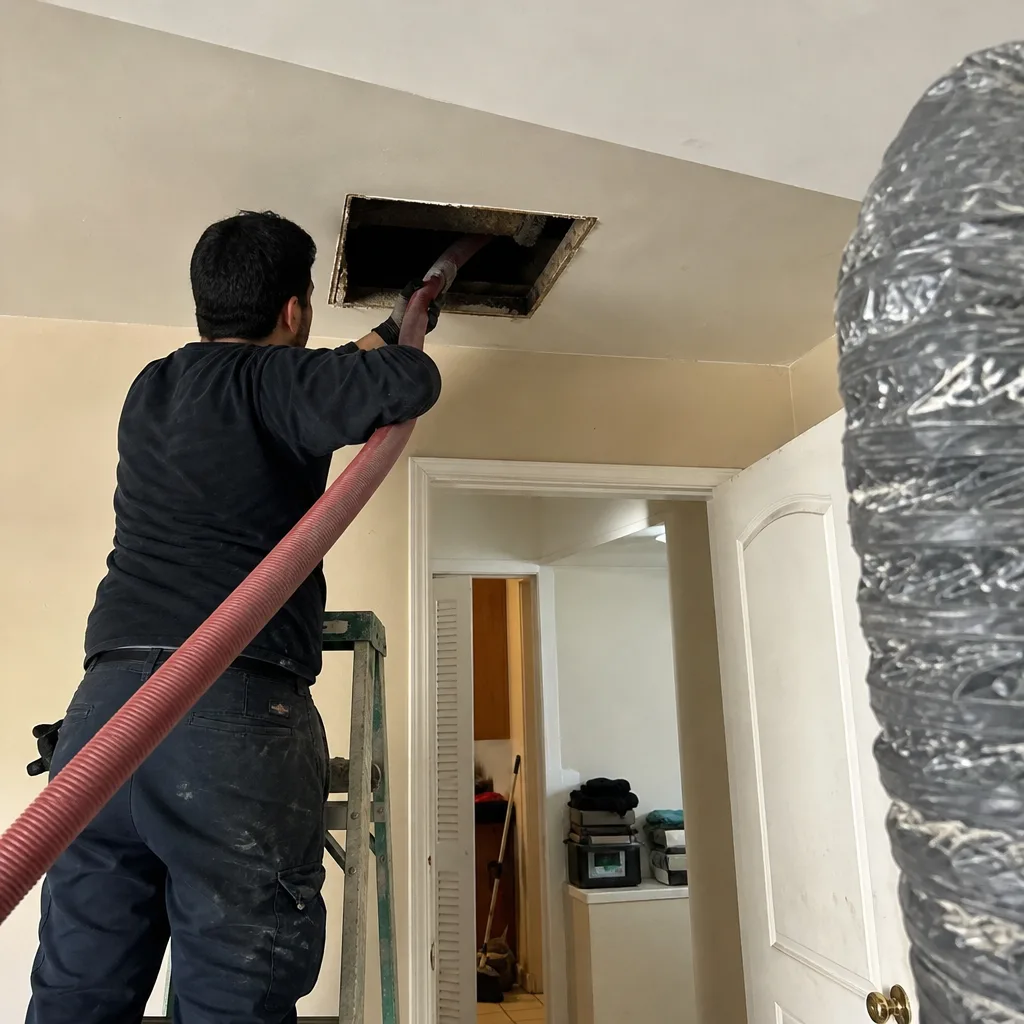 Before
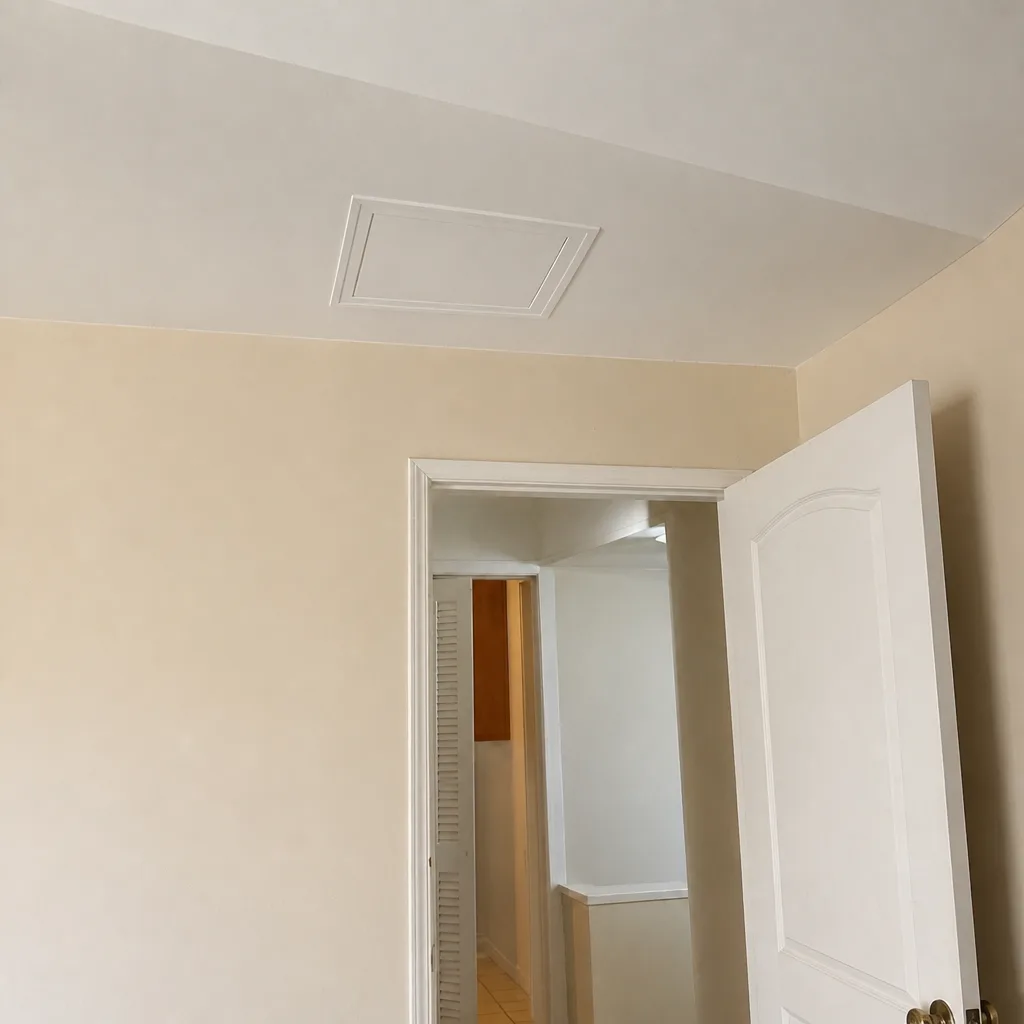 After
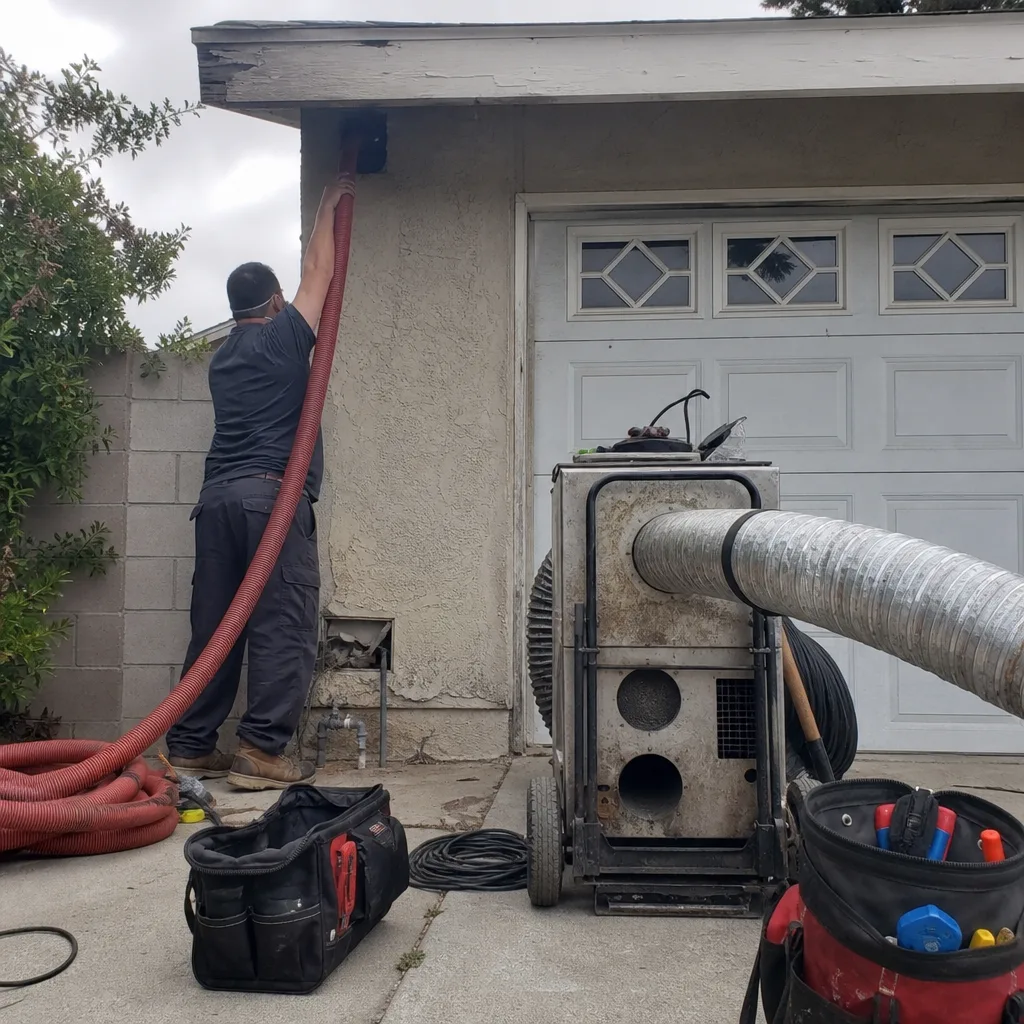 Before
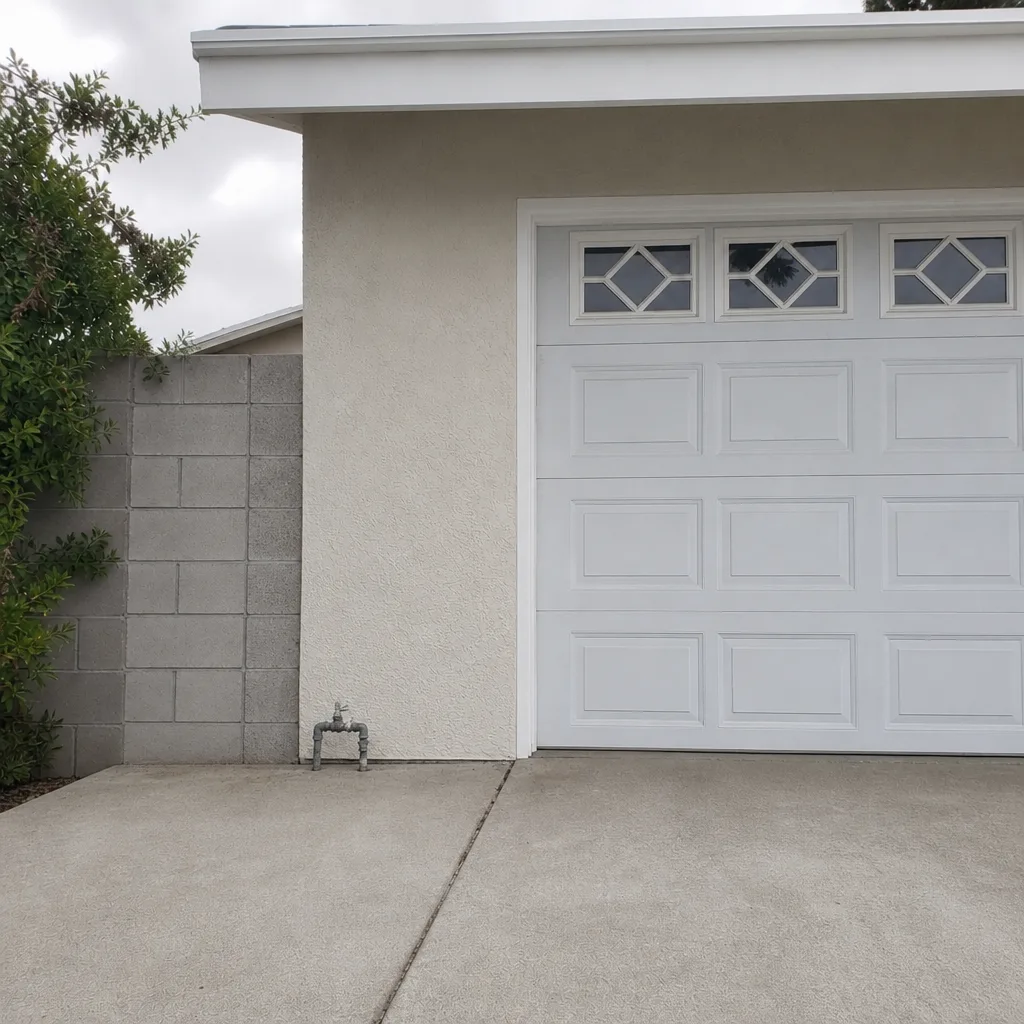 After
Frequently Asked Questions
Once outdoor air quality has returned to normal and visible ash has settled, you should have a duct assessment done within a few weeks if the smoke event was significant, not immediately during the event while the system is still pulling contaminated air. If you evacuated and returned to a home with visible ash, assess before powering the system on and schedule the assessment before you resume normal HVAC use. Call (888) 494-4745 for a free estimate. We answer 24/7. Fast dispatch from 7am to 7pm, Sunday through Friday.
Wildfire ash in ducts appears as a fine gray or black film that clings to surfaces rather than sitting as loose, fluffy dust, and it often leaves visible soot streaking around register edges and the blower cabinet. Standard household dust is light-colored, loose, and responds to simple mechanical agitation, while ash residue has a different chemical composition that requires a more involved cleaning approach for complete removal.
Yes, photograph every accessible register, grille, filter, and the HVAC unit itself before any cleaning begins, with a date marker in the frame where possible, because cleaning removes the physical evidence an adjuster needs to see. A written contractor assessment documenting smoke residue before work starts adds a third-party record that materially strengthens the claim. Skipping this step is one of the most common reasons smoke-related duct claims are reduced or denied.
No, running the fan during a smoke event pulls contaminated air into the duct system and distributes fine particulate throughout the home, embedding the odor in surfaces that are far more expensive to treat than the ducts themselves. The correct action is to shut the system down completely, seal the envelope, and keep the system off until outdoor air clears and the filter has been replaced.
MERV 13 filters are the commonly cited target for smoke particulate capture, but only if the HVAC blower can handle the increased static pressure without a significant airflow drop, so have airflow verified by a professional after installation. No filter captures everything, and a filter upgrade is one part of a hardening approach that also includes sealing return air pathways and inspecting attic duct connections. We work with Honeywell and Aprilaire air quality systems, so we can help you match a filter to your system.
Yes, air duct repair addresses compromised ductwork: loose connections, holes, collapsed or pinched sections, and unsealed return air pathways that allow contaminated attic or wall cavity air into the air stream, while cleaning addresses what has accumulated on the interior surfaces of intact ducts. A home with both dirty and damaged ducts needs both services, and a single contractor who can find and fix the compromised sections saves you from coordinating separate calls. Our three-service focus means cleaning, dryer vent care, and repair stay within a single, coherent scope.
The Bottom Line
Chatsworth homes live under a specific and recurring environmental threat: Santa Ana winds carrying wildfire smoke and ash through the valley. The standard emergency preparedness playbook stops at sheltering in place. It does not address what happens inside your HVAC system during and after the event. If you do nothing with a smoke-contaminated duct system, you will breathe the residue for months. The sequence matters: shut the system down, keep it off, document before cleaning, use equipment and chemistry appropriate for smoke residue, and harden the system before the next season. That is the complete loop, and it is built around the realities of this specific valley, not generic advice that applies everywhere and therefore nowhere in particular.
Written by the team at Duct Cleaning Chatsworth, serving Chatsworth since 2017.