
Last updated November 4, 2026
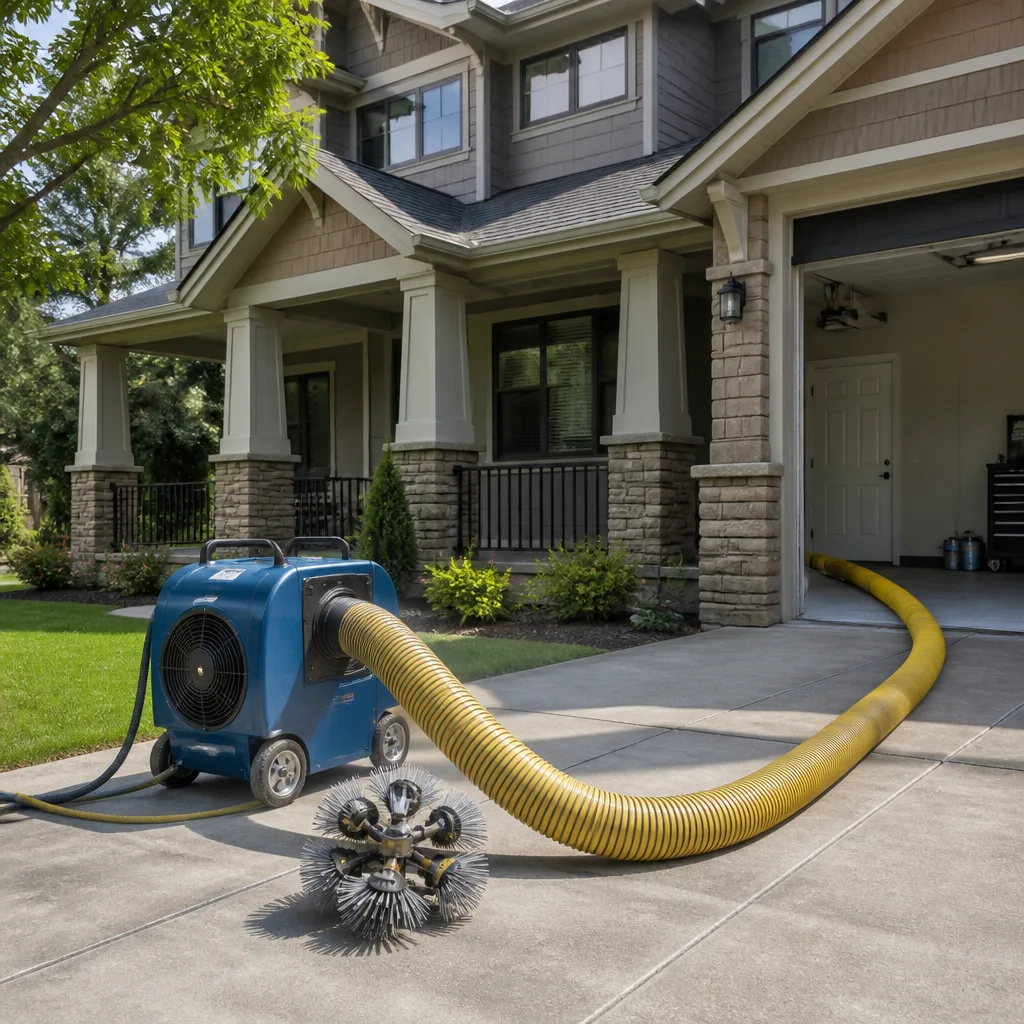 Whole-home duct cleaning
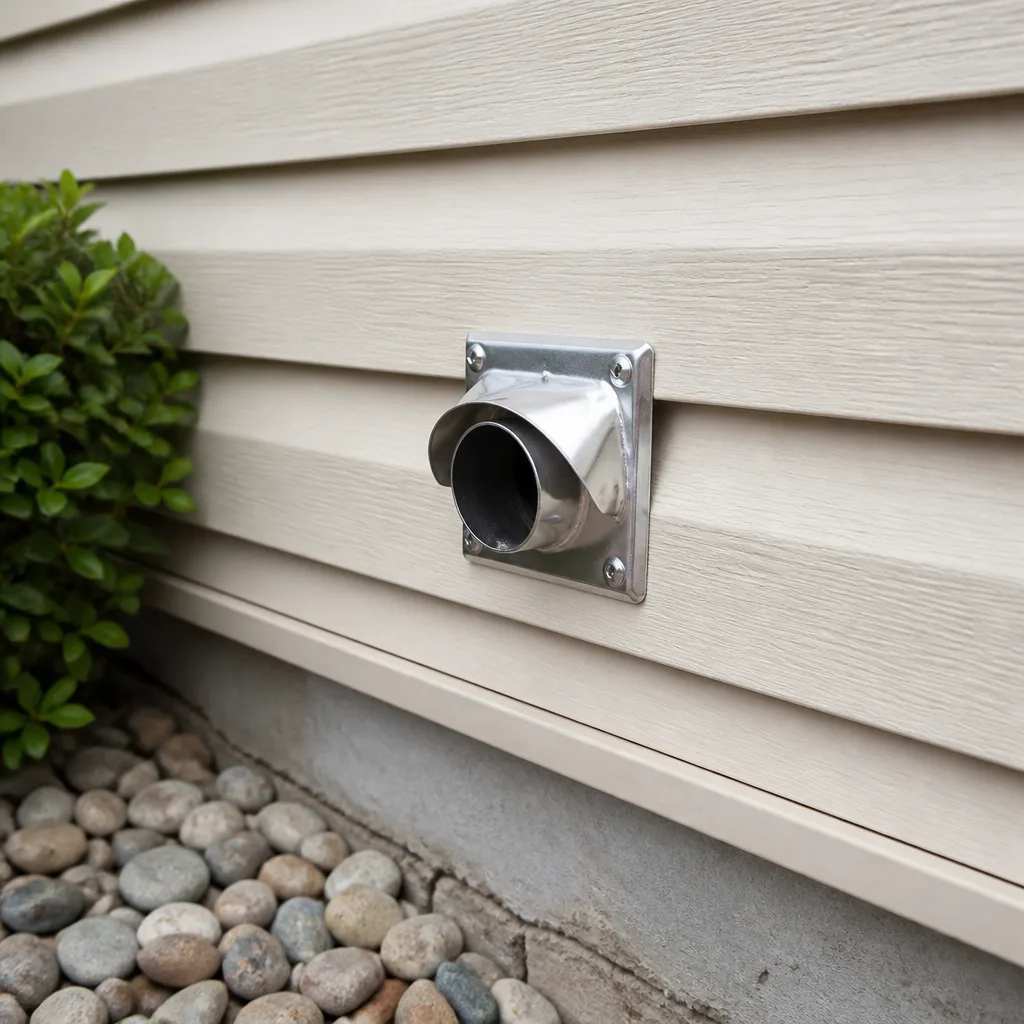 Dryer vent cleaning
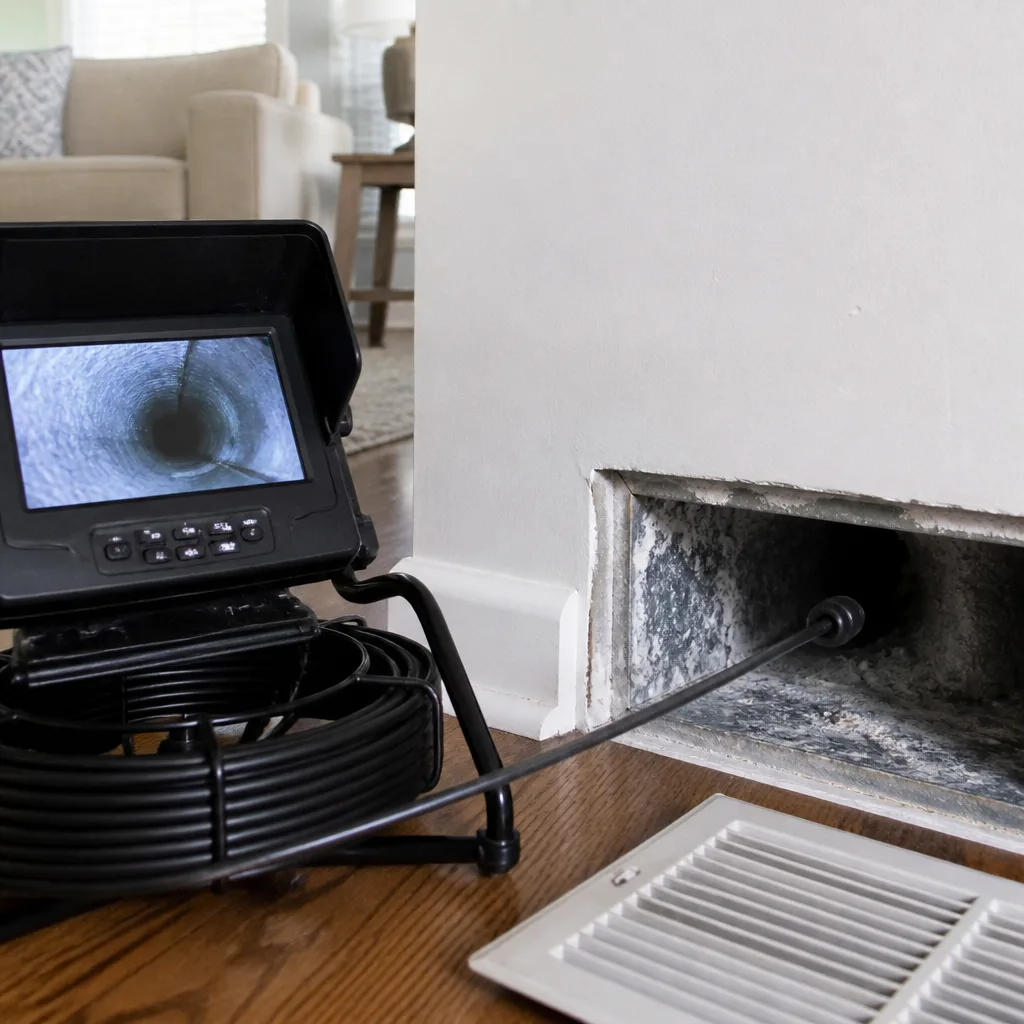 Camera inspection
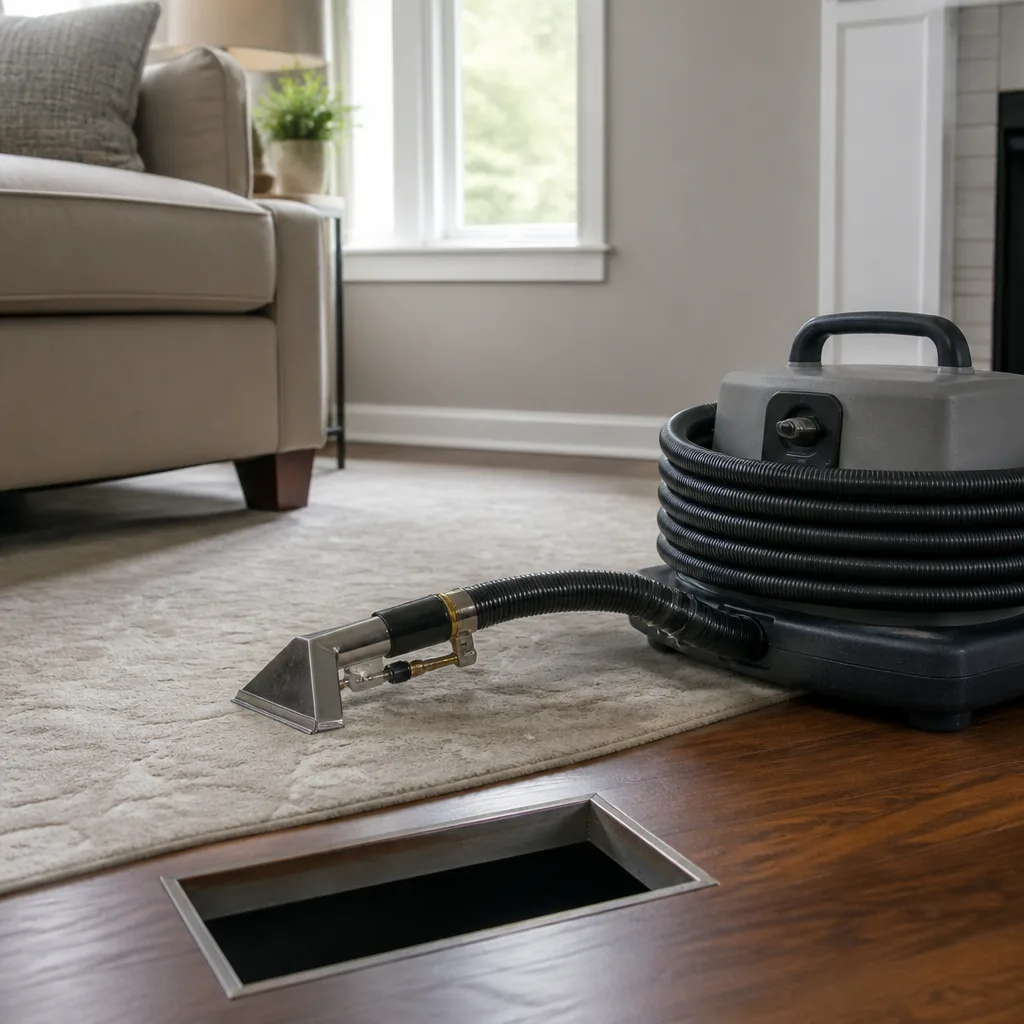 Sanitizing & deodorizing
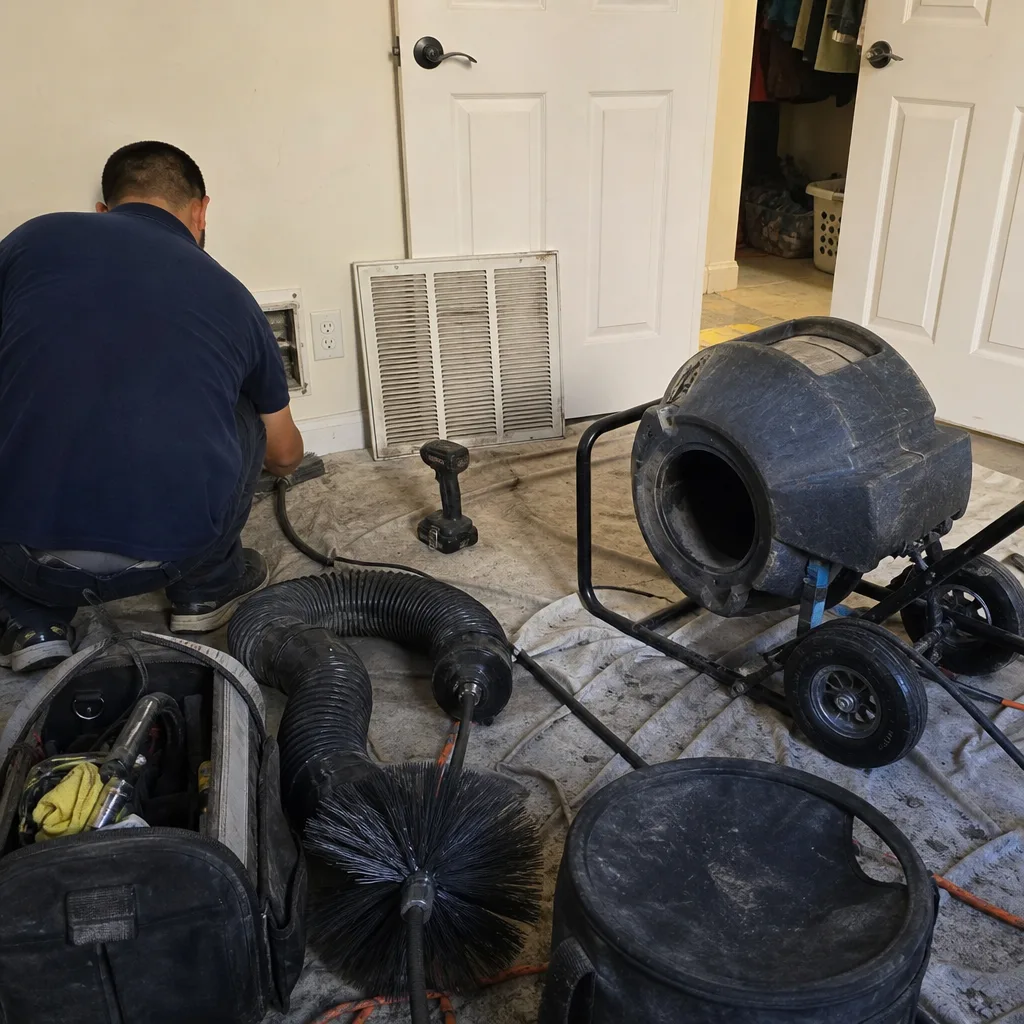
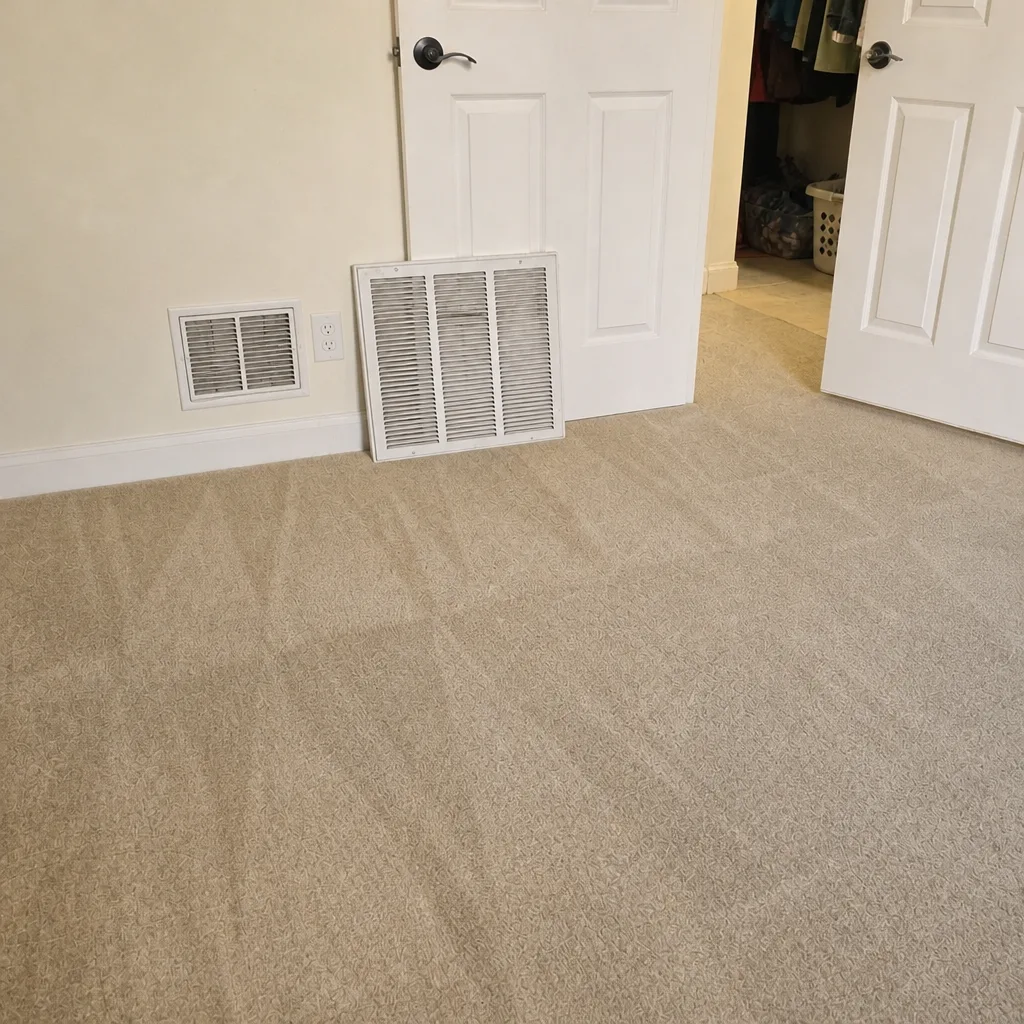
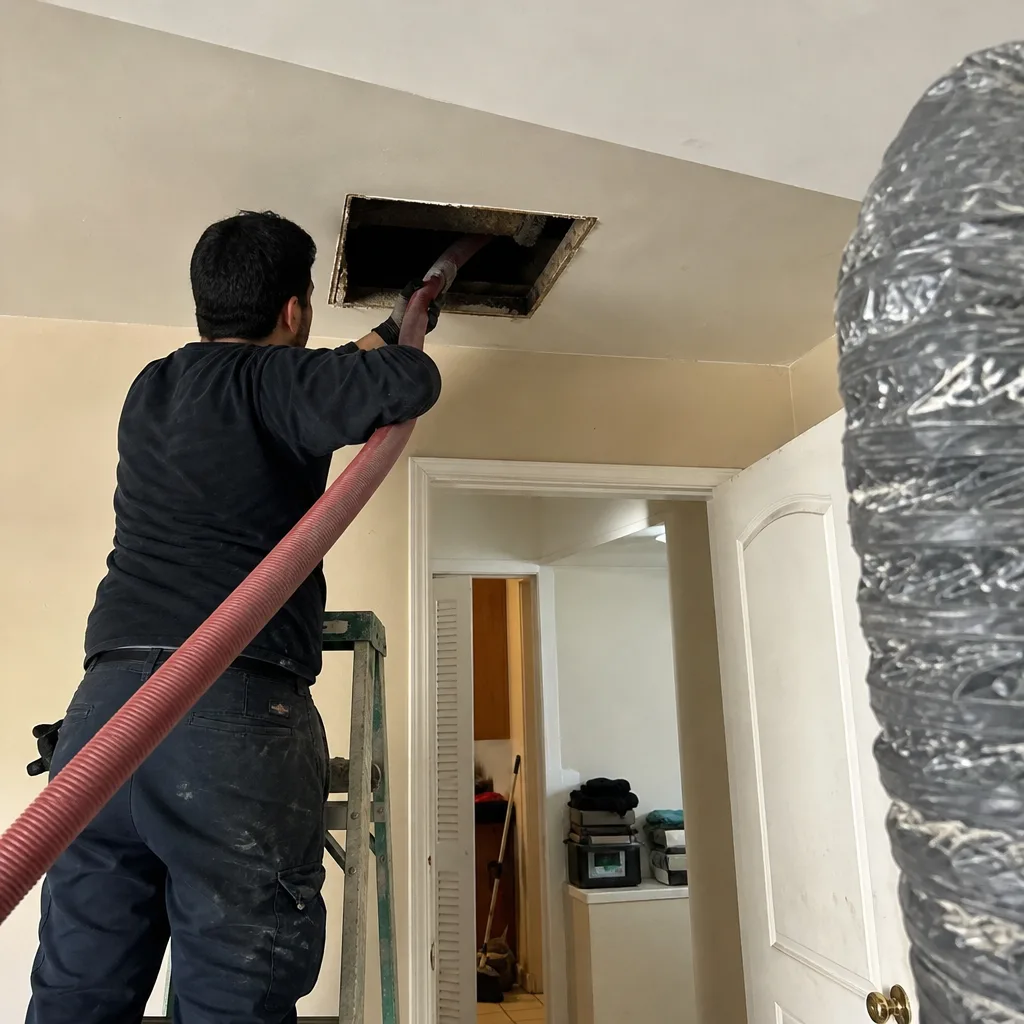
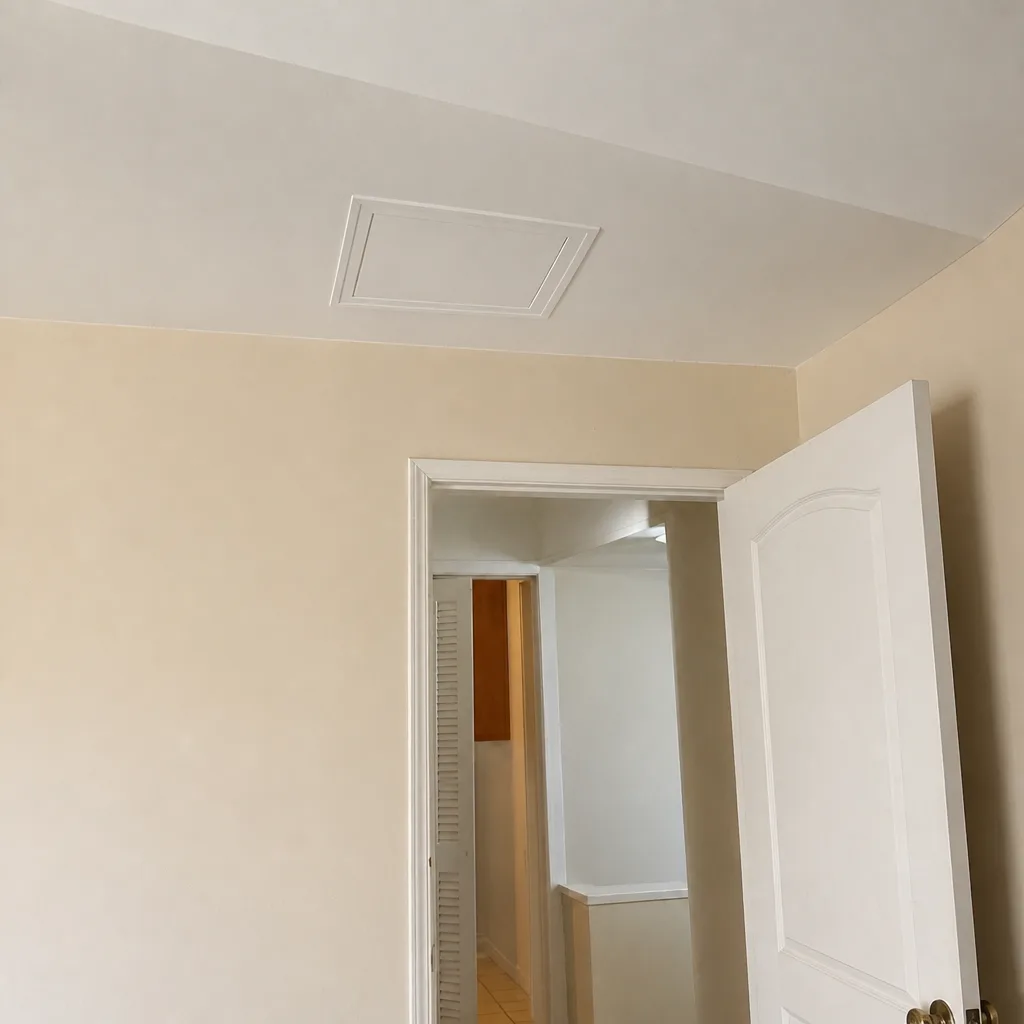
Whole-system duct and dryer vent check with before-and-after photos - you see exactly what came out of your vents
That "$99 whole-house special" is a bait ad - the real number appears once they are in your hallway, or the "clean" is a shop-vac at the register. We photograph the inside of your ducts before and after instead.
Seasonal Air Duct Cleaning Care for Chatsworth: Year-Round Homeowner’s Guide
Most seasonal home maintenance guides assume four equal seasons. Chatsworth doesn’t work that way. We have a fire-wind cycle, a dusty spring transition, a summer heat-load period, and a mild winter that almost nobody uses as the opportunity it actually is. The ductwork in your home responds to each of these phases differently, and a cleaning schedule built around a generic “spring and fall” checklist misses what’s actually happening in the air around Chatsworth. This guide maps the real air quality calendar for the northwest San Fernando Valley and shows you how to time duct cleaning, filter changes, and inspections so they line up with the pollutants your system is actually pulling in.
Quick Answer
In Chatsworth, the two most important duct maintenance windows are May – June (before Santa Ana wind season) and January – February (during the low-use winter period when cleaning causes the least disruption). A practical two-year cycle works well for most homes: schedule air duct cleaning every 24 months in winter, with a lighter inspection and filter check each spring before the heat arrives. After a major October or November wind event, inspect your return-air registers and consider an unscheduled cleaning if you find gritty accumulation.
Styles & brands we work with
- Whole-home duct cleaning
- Dryer vent cleaning
- Camera inspection
- Sanitizing & deodorizing
Table of Contents
- The Chatsworth Air Quality Calendar: What Actually Moves Through Your Ducts
- Pre-Fire-Season Prep (May – June): Getting Ahead of Smoke Season
- Santa Ana Wind Season (October – November): What to Do After a Major Wind Event
- Winter Low-Use Window (January – February): Why This Is the Best Time for a Full Cleaning
- Spring Pollen and Construction Dust (March – April): Filter and Register Checks Before AC Season
- Summer Heat Load (July – September): Keeping a Clean System Running Efficiently
- Building a Two-Year Cleaning Cycle That Fits Chatsworth
- When Ducts Need Repair, Not Just Cleaning
The Chatsworth Air Quality Calendar: What Actually Moves Through Your Ducts
If you look at air quality data for the northwest San Fernando Valley, a pattern emerges quickly. SCAQMD monitoring data shows Chatsworth and surrounding areas regularly record some of the worst particulate days in Los Angeles County during October and November Santa Ana events. This isn’t a coastal marine layer issue. It’s wind-driven dust, fine particulate matter from inland sources, and smoke that gets pushed through the passes and settles across the valley floor. Chatsworth sits at the northwest edge of the valley where the terrain funnels these winds, and your HVAC return air intakes are pulling that air in during exactly the hours the system runs hardest.
The seasonal cycle breaks down into four distinct phases that don’t match the traditional four seasons. Here’s what actually matters for your ductwork:
- October – November: Santa Ana winds drive fine particulates, dust, and sometimes wildfire smoke through Chatsworth. This is the highest-risk period for sudden, heavy contamination of return-air systems.
- January – February: Air quality improves, temperatures are mild, and system runtime drops. This is the lowest-disruption window for a full cleaning.
- March – April: Spring growth brings pollen, and the mild weather triggers renovation and construction activity across Chatsworth neighborhoods, adding gypsum dust and concrete fines to the air mix.
- May – September: Heat load climbs. The AC runs for hours daily, pulling whatever is in the duct system through the coils and into living spaces. Any accumulation from the previous year gets circulated continuously.
Understanding this cycle changes how you should think about maintenance. Instead of asking “has it been three years since the last cleaning?” you should ask “what has the air been carrying into my ducts since the last cleaning, and is it time to remove it before the next high-use period?”
Pre-Fire-Season Prep (May – June): Getting Ahead of Smoke Season
May and June in Chatsworth are deceptively pleasant. Temperatures are warm but not punishing, and the Santa Anas feel like a distant memory. This is exactly the window when smart homeowners prepare their duct systems for what’s coming in the fall. The goal isn’t a full cleaning for most people. It’s a targeted inspection and filter check that catches problems before the wind season hits.
Here’s what a practical pre-fire-season check involves:
- Inspect return-air filter fit. A filter that doesn’t seat properly lets unfiltered air bypass the media entirely. Gaps around the filter frame are a common issue in older Chatsworth homes where the filter slot was sized for a previous generation of equipment. If you can see dust streaks on the metal frame around the filter, air is getting around it.
- Confirm filter MERV rating is appropriate. Homes within a few miles of the 118 freeway corridor or in areas where construction activity ramps up in spring benefit from a higher-efficiency filter during wind season. A MERV 11 or 13 filter offers meaningful particulate reduction without choking airflow on most modern systems. Have a technician confirm your blower can handle the added pressure drop before upgrading.
- Check visible duct runs in the attic. Flexible duct can sag, kink, or separate at joints over time. In Chatsworth attics, summer temperatures regularly exceed 130°F, which accelerates the breakdown of old duct tape and mastic seals. A visual inspection of exposed runs catches separations that would otherwise pull attic air, insulation fibers, and dust directly into the system.
- Seal small gaps at register and return boots. The connection between ductwork and the register box is a common air leak point. A tube of mastic or foil tape (not gray duct tape, which fails in heat) applied now is cheap, permanent, and prevents attic dust from being pulled through the gap all summer.
This is also the right time to schedule a professional inspection if you’ve never had one. A technician examining connections, coil condition, and overall system integrity in May or June will find issues with months of buffer before the smoke-risk season begins. At Duct Cleaning Chatsworth, we see this early-season inspection as the most underused maintenance step in the valley.
Santa Ana Wind Season (October – November): What to Do After a Major Wind Event
When a Santa Ana event blows through Chatsworth, you can feel it in the air. Dry, dusty wind from the northeast pushes particulate matter across the valley, and the fine stuff doesn’t settle where you can see it. It enters your home through every gap, window, and especially through the HVAC system’s return air intakes while the system circulates air.
After a significant wind event, ask these questions before deciding whether you need an unscheduled cleaning:
- Was the system running during the event? If the AC ran while Santa Ana winds were at their peak, the filter caught a substantial amount of what came through. A disposable filter will be visibly loaded within days.
- Is there a fine film on surfaces near registers? If the filter is doing its job, the air coming out of the supply registers should be cleaner than the room air, not dirtier. Dust accumulation on walls or furniture downwind of a register suggests air is bypassing the filter or duct leaks are pulling in attic air.
- Do you smell a dusty or burnt odor when the system first starts? The “first-start smell” after a wind event is often fine dust heated by the heat exchanger or coils. It fades quickly in a clean system. If it persists for more than a minute or recurs on every cycle, that dust has settled in the system and will keep cycling.
- Was there nearby construction or brush clearing? Chatsworth’s ongoing development and the valley’s fire-prevention brush clearing often coincide with the windy season. If a neighbor’s renovation or a hillside clearing project ran during the winds, your home likely collected more than the typical share.
If you find heavy filter loading, visible dust around returns, or a lasting burnt-dust smell, an unscheduled duct cleaning is the practical response. The particles that settle inside ductwork don’t go away on their own, and they’ll be circulated all through the heating season and into the next summer. We run Rotobrush and Nikro systems that remove settled particulate material mechanically, not just blow it around with a vacuum. That distinction matters when you’re dealing with wind-driven fine dust that has worked its way deep into the system.
Winter Low-Use Window (January – February): Why This Is the Best Time for a Full Cleaning
Chatsworth winters are mild – we don’t have freeze cycles, snow, or the kind of brutal cold that forces a furnace into continuous operation. Your system runs lightly during these months, cycling on and off to maintain a comfortable indoor temperature. This low-runtime period is the single best window all year for a full duct cleaning, for several reasons that have nothing to do with convenience.
First, the duct system holds whatever the Santa Ana season introduced. In Chatsworth, that’s typically fine wind-blown dust, construction particulate, and occasionally smoke residue. Leaving that material in place through the next cooling season means your AC will distribute it through the home for months. Cleaning in January or February removes the accumulation before it gets a second season of circulation.
Second, scheduling is easier. The heating and cooling contractors in the valley are busy in summer and during the fall wind season. January and February are comparatively quiet, which means you’ll get more scheduling flexibility and a more thorough job from a technician who isn’t rushing to the next emergency call. Dryer vent cleaning follows the same logic – winter is the right time to have it done, before lint accumulation adds another summer of heat-driven risk.
Third, the disruption is minimal. A thorough duct cleaning takes several hours, and while you can stay home during the process, most homeowners prefer not to have the system down mid-summer. In January or February, the worst case is a few hours without heat on a 65-degree day.
Spring Pollen and Construction Dust (March – April): Filter and Register Checks Before AC Season
March and April in Chatsworth bring two air quality shifts at once. Pollen from ornamental and native vegetation peaks, and the pleasant weather triggers renovation and construction activity across the valley. Homes near Chatsworth’s commercial districts or in neighborhoods with ongoing residential projects collect gypsum dust, concrete fines, and demolition particulates along with the biological load. These two contaminants behave differently, and your system’s filter is the main line of defense against both.
For most homeowners, this is the right time for a filter upgrade if you didn’t install one before fire season. A higher-MERV disposable filter (look for MERV 11 to 13, assuming your system can handle the pressure drop) provides meaningful protection against both pollen and fine construction dust. The caveat: a filter that’s too restrictive for your blower reduces airflow, increases energy consumption, and can cause the evaporator coil to freeze in summer. Have a technician confirm compatibility before upgrading. Systems configured for Aprilaire filtration cabinets have more flexibility here – the deeper media allows for high efficiency without the airflow penalty of a dense one-inch panel.
Register inspection belongs on this checklist too. Walk the house and check visible supply registers for dust streaking on the surrounding wall or ceiling. Streaking indicates air is leaking around the register boot connection, pulling attic air into the conditioned space. It’s a fix that takes a technician under an hour and prevents months of contamination. In homes we’ve inspected across Chatsworth, register gaps and boot separations are among the most common issues found in spring. They accumulate quietly and don’t show up until the AC runs hard in June and the dust becomes visible.
Summer Heat Load (July – September): Keeping a Clean System Running Efficiently
Chatsworth summers are hot, and the AC becomes the hardest-working system in the home. By July, it’s common for the system to run eight to twelve hours a day. Every hour, it pulls air through the return registers, across the filter, through the coil, and back into the living spaces through the supply ducts. If that path is clean and sealed, you get predictable performance. If it’s contaminated or leaking, the summer heat load amplifies the problem.
Summer is not the time to schedule a full duct cleaning if it can be avoided. The system is in peak use, and while a cleaning is always possible, the disruption is maximal and the scheduling is tight. What summer is for is monitoring. Pay attention to a few signals:
- Dust accumulation on surfaces that used to stay clean. If you’re dusting more often than in previous summers, the system may be distributing particulate from inside the ducts or pulling from a leak.
- Reduced airflow from certain registers. A room that used to cool evenly but now lags may have a collapsed flex duct, a disconnected run, or a filter that has become too loaded. These issues show themselves most clearly under heavy summer use.
- New or worsening allergy symptoms while indoors. If symptoms ease when you leave the house and return when you’re home, the HVAC system is likely involved. Once-through contamination, not just stagnant dust, is the issue.
- Higher-than-expected utility bills. A system fighting restricted airflow or leaking conditioned air into the attic will draw more power to maintain temperature. It’s one of the most common overlooked causes of summer bill spikes in Chatsworth.
If you notice any of these patterns, the issue isn’t going to resolve with a filter change alone. A diagnostic visit can determine whether you’re dealing with accumulated contamination, a mechanical leak, or a combination of both.
Building a Two-Year Cleaning Cycle That Fits Chatsworth
The generic industry recommendation – “clean your ducts every three to five years” – is a starting point, not a plan. In Chatsworth, our air quality calendar and the nature of our wind season argue for a more deliberate approach. Here’s a two-year cycle that matches the actual conditions in the northwest San Fernando Valley.
- Year One, January – February: Full air duct cleaning. This clears the system of the previous October – November wind season accumulation and positions the home for a clean summer. Have the dryer vent cleaned with the same visit if you haven’t had it done in the past year.
- Year One, May: Pre-fire-season inspection. Confirm filter fit, check attic duct runs, and seal small gaps before the Santa Ana window opens.
- Year One, October – November: After the first major wind event, check filter loading and register condition. If it was an unusually heavy season or nearby construction coincided, consider an unscheduled cleaning instead of waiting for Year Two.
- Year Two, March – April: Spring filter upgrade and register inspection. No full cleaning this year unless year one was skipped or unusual contamination occurred.
- Year Two, May: Repeat the pre-fire-season inspection. This one may be lighter if nothing changed.
- Year Two, October – November: Same post-wind check as year one. The accumulated loading from two wind seasons will typically be substantial by now.
- Year Three, January – February: Second full air duct cleaning. The two-year cycle completes.
That’s two full cleanings and two inspections per two-year cycle, timed to the valley’s actual air quality calendar rather than a seasonal default. Homes with dogs that shed heavily, recent renovation, smokers, or occupants with respiratory sensitivities may need to shorten the cycle. Homes with minimal occupancy, good filtration, and sealed ductwork may stretch it. The point is that the schedule should be driven by conditions, not by an arbitrary calendar.
When Ducts Need Repair, Not Just Cleaning
Cleaning removes what’s inside the ductwork. It doesn’t fix what’s wrong with the ductwork. In our experience across Chatsworth homes, these two issues overlap often enough that you should understand the difference and know when repair is the actual fix.
Common structural issues we find include disconnected flex runs (especially in attics where summer heat degrades the connections), collapsed sections where duct was improperly supported, gaps at boots and plenums, and sections that were never sealed when a previous contractor ran new lines. These defects don’t just let conditioned air escape into the attic; they actively pull attic dust, insulation fibers, and rodent waste into the system. A cleaning will clear the ducts of what’s accumulated, but within weeks, the open gap will pull in more. The correct sequence is repair first, then clean, or clean and repair in the same visit.
This is where the capability of the contractor matters. A cleaning-only vendor will clean the system and leave the defect, because fixing it is outside their scope. A general HVAC contractor will fix the duct but won’t necessarily clean the accumulated contamination. Air duct cleaning and air duct repair as a combined service means one visit, one call, and a system that’s actually corrected rather than temporarily improved. If your last cleaning left you with re-contamination within months, the problem was likely a defect that the cleaning could not address.
Common Mistakes to Avoid
- Using a calendar instead of conditions. “It’s been three years” isn’t a reason to clean, and “it’s only been one” isn’t a reason to skip. In Chatsworth, a single severe Santa Ana season or a neighbor’s six-month renovation can load a system faster than five years of normal accumulation. Check conditions, not dates.
- Ignoring the filter gap. Most homeowners replace the filter but never check whether it seals properly in its slot. A filter with air moving around it is a decorative object. In older Chatsworth homes with improvised filter slots, this is more common than you’d expect.
- Waiting until summer to address airflow complaints. If a room doesn’t cool well in July, the issue probably started in January. Summer is the worst time to diagnose and repair duct problems, and every week of the schedule slip is another week of pulling attic air into the system.
- Treating duct cleaning and duct repair as separate trades. They’re one system. Having one contractor handle both means the cleaning addresses the contamination and the repair addresses the cause. Splitting them across two vendors means coordinating schedules and paying for two diagnoses.
- Skipping the dryer vent in the name of one project at a time. Lint buildup is a leading cause of residential fires, and a dryer that runs longer on each load adds heat and humidity to the home. If the ducts are being cleaned, the vent should be too.
- Assuming a HEPA vacuum cleans as well as mechanical agitation. A vacuum alone cannot remove material that has adhered to duct walls. Professional cleaning uses agitation – the rotating brushes and compressed air tools on Rotobrush and Nikro platforms – to break the contaminants loose, then removes them with negative pressure. Vacuum-only cleaning is incomplete by definition.
See the difference
 Before
 After
 Before
 After
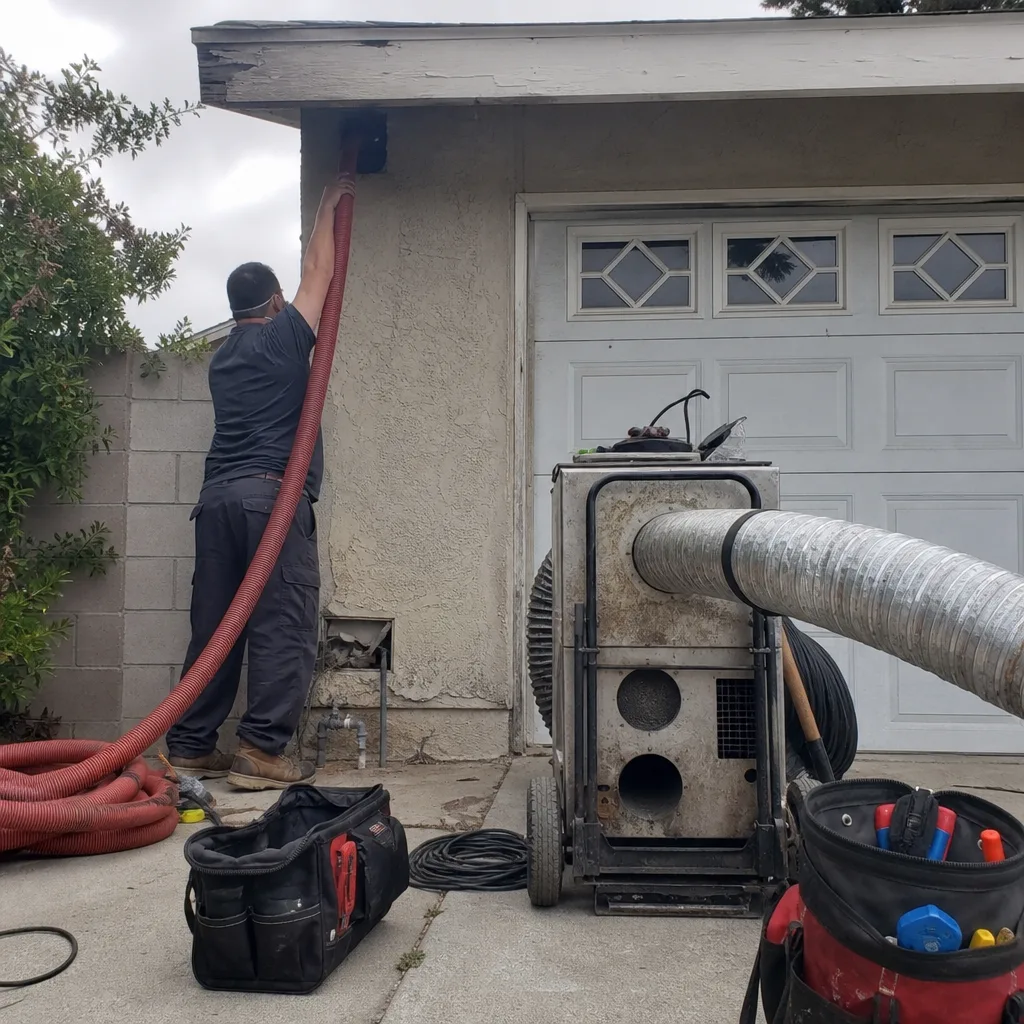 Before
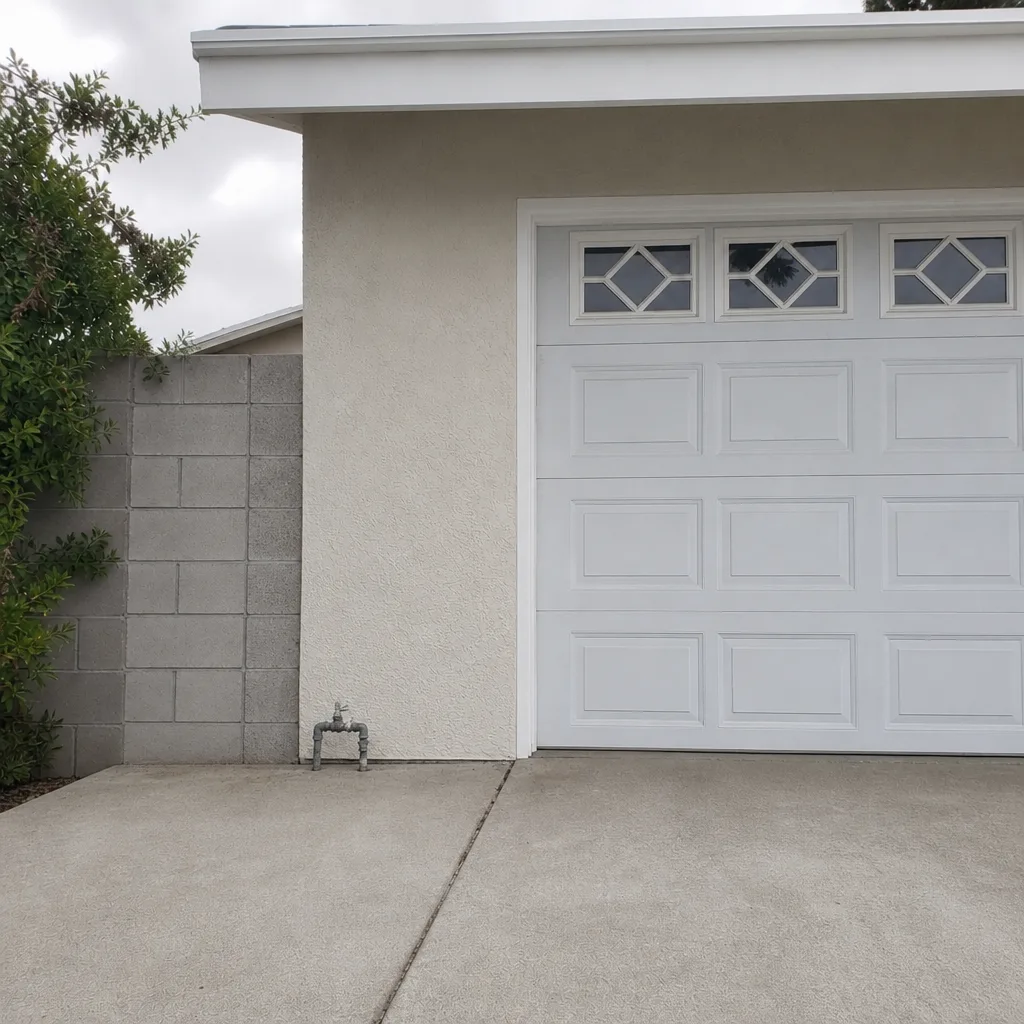 After
When to Call a Professional
Some situations justify a professional visit regardless of where you are in the seasonal cycle. If you’ve had significant construction or renovation in the home, the dust load in the ducts may exceed what a filter can capture. If a Santa Ana event left visible dust accumulation around returns or on surfaces near registers, the system likely needs more than a filter change. If you’ve noticed persistent respiratory symptoms that improve when you leave the house, or if airflow from certain rooms has declined over months, a diagnostic visit is warranted. And if you can see duct connections separated in the attic, that’s a structural issue that needs repair, not a wait-and-see situation. Duct Cleaning Chatsworth offers free estimates in Chatsworth – call (888) 494-4745. We answer 24/7. Fast dispatch from 7am to 7pm, Sunday through Friday.
Frequently Asked Questions
Most Chatsworth homes do well with a full air duct cleaning every two years, scheduled in the January – February low-use window. Homes with shedding pets, recent renovation, smokers, or occupants with respiratory sensitivity may need annual cleaning, while lightly occupied homes with sealed ductwork and good filtration can sometimes stretch the interval. The key is checking conditions after each Santa Ana wind season rather than counting months.
Your filter catches much of what the return air pulls in, but it has to be seated properly and rated for the particulate load. Fine wind-blown dust and smoke particles are small enough that lower-MERV filters pass a meaningful fraction through, and any gap around the filter frame lets unfiltered air bypass entirely. After a heavy Santa Ana event, the filter will typically be visibly loaded, and some fine particulate will have settled in the duct system regardless.
No, it’s the opposite. The low-runtime period is exactly why winter is ideal. The system holds whatever the wind season introduced, and you’re getting it out before the summer heat load forces hundreds of hours of circulation through contaminated ducts. Scheduling is also easier, and the disruption is minimal compared to a mid-summer cleaning.
Duct cleaning removes accumulated particulate from inside the system. Duct repair fixes structural problems like disconnected runs, collapsed sections, and gaps that allow attic air to enter. If the system has a structural defect, cleaning without repair will result in re-contamination within weeks. Many homes need both, and it’s more efficient to have one contractor address them in a single visit.
A shop vacuum isn’t capable of cleaning ductwork in any meaningful sense. It can’t reach more than a few feet into a run, it doesn’t agitate adhered particulate off the duct walls, and it can’t maintain the negative pressure needed to prevent particulate from being redistributed through the home. Professional cleaning platforms from Rotobrush and Nikro are built for this specific job, and the difference in outcome is visible in before-and-after documentation. This is a service that genuinely requires the right equipment.
A pre-fire-season check in May or June is lighter than a full cleaning and focuses on filter fit, attic duct condition, and sealing small gaps. It’s appropriate when the system was cleaned within the past year and conditions are otherwise unremarkable. If the system hasn’t been cleaned in two years or more, a full cleaning before wind season is usually the better preparation. Call (888) 494-4745 for a free estimate and we’ll help you decide what’s actually needed.
The Bottom Line
Chatsworth’s air quality calendar is distinct from the rest of Los Angeles County. The Santa Ana wind season delivers a heavier particulate load than many homeowners recognize, and it arrives just before the winter low-use period when a cleaning is most practical. A two-year cycle with a winter cleaning, a spring filter check, and a pre-fire-season inspection covers the conditions we actually live with. The goal isn’t just a clean duct system. It’s a system that’s sealed, correctly filtered, and holding up structurally against the heat, wind, and dust that define the Chatsworth climate. That’s the difference between a seasonal chore and an actual indoor air quality plan.
Written by the team at Duct Cleaning Chatsworth, serving Chatsworth since 2017.