
Last updated November 4, 2026
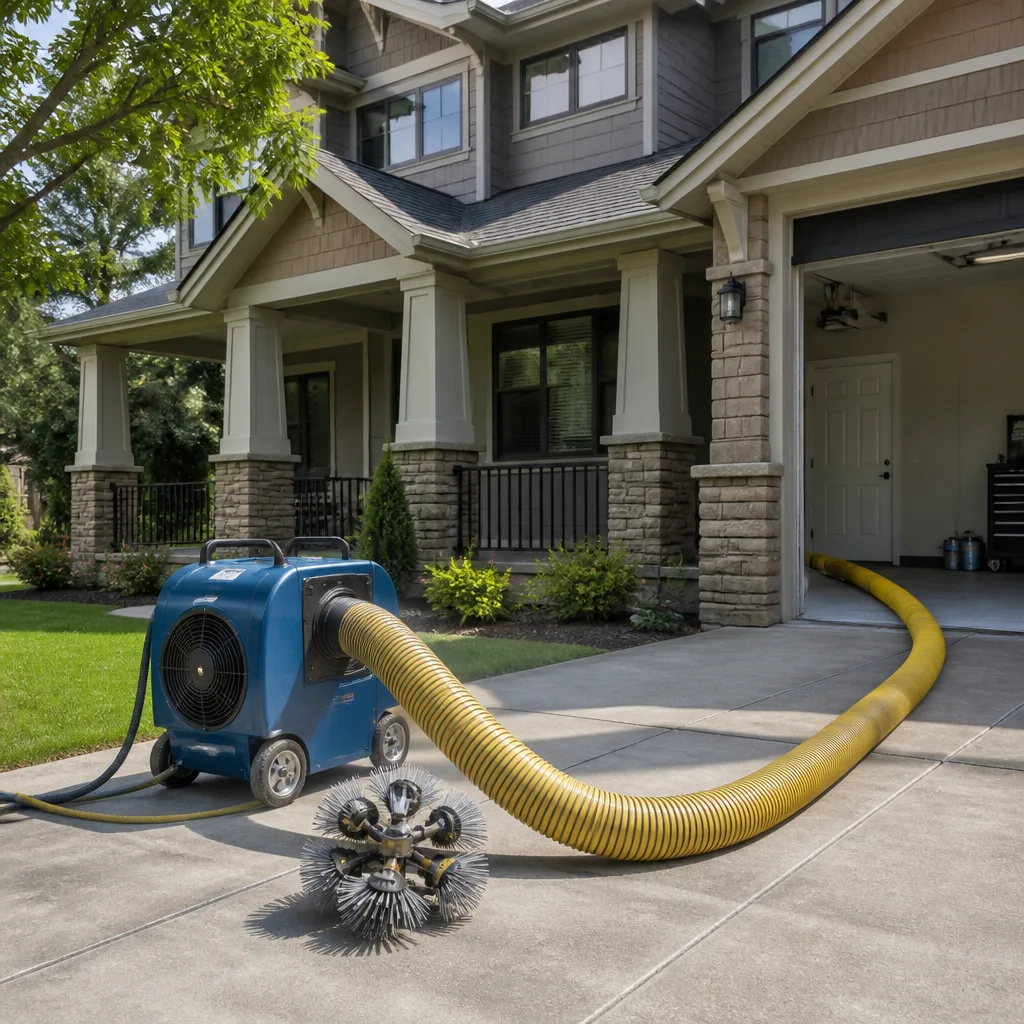 Whole-home duct cleaning
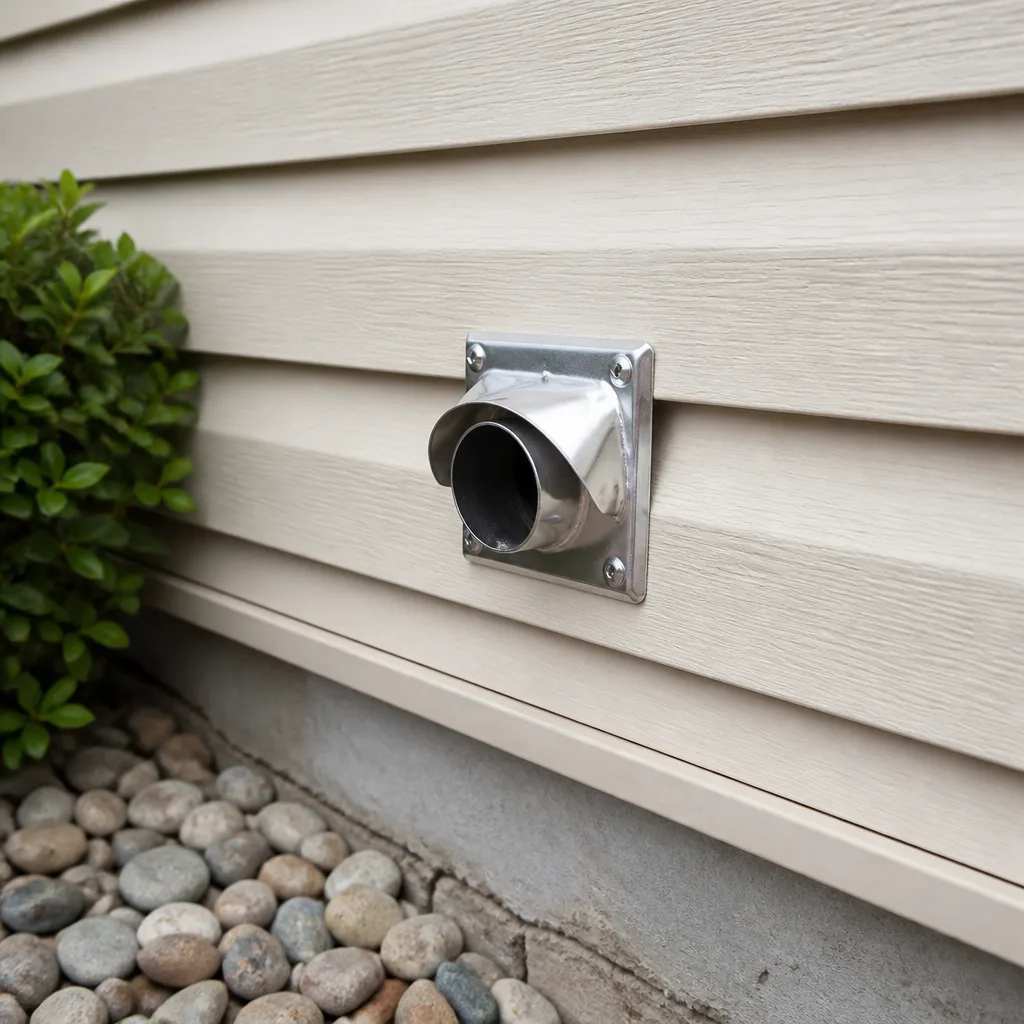 Dryer vent cleaning
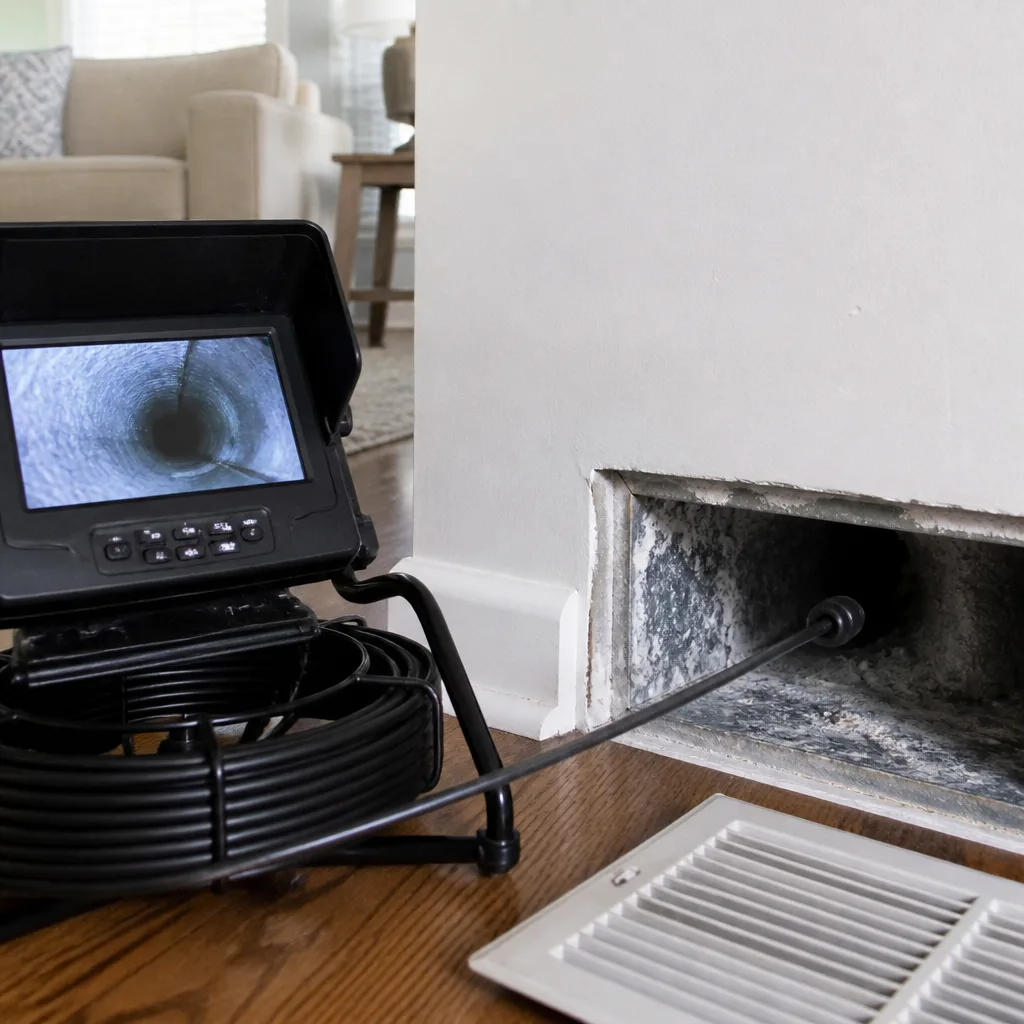 Camera inspection
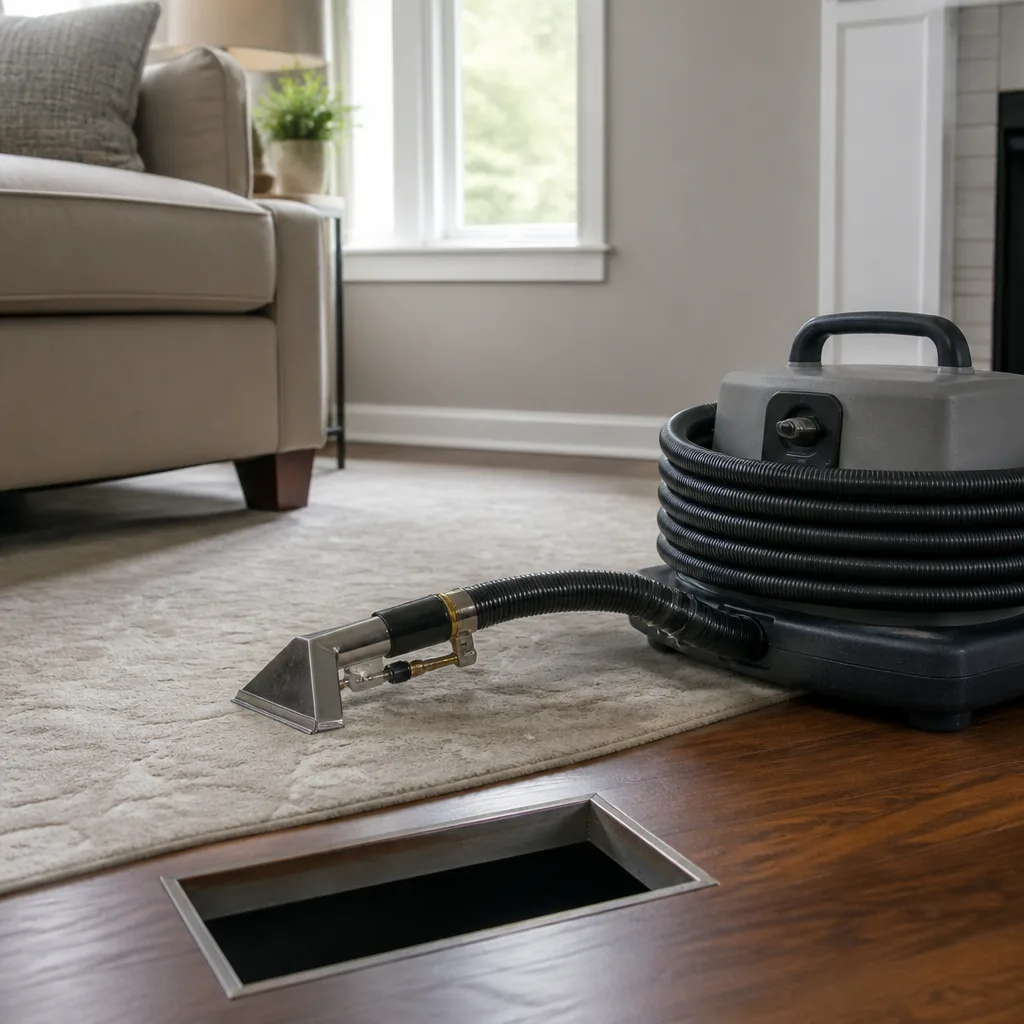 Sanitizing & deodorizing
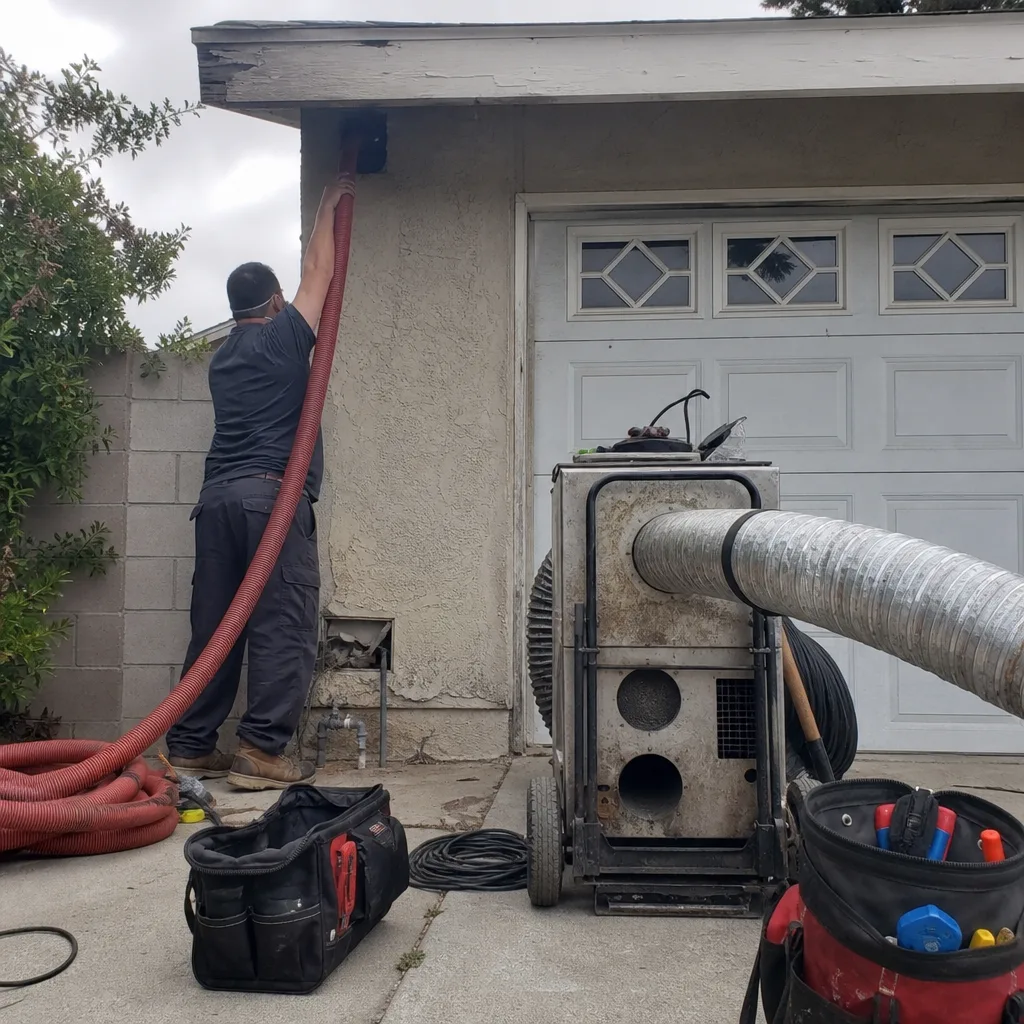
Whole-system duct and dryer vent check with before-and-after photos - you see exactly what came out of your vents
That "$99 whole-house special" is a bait ad - the real number appears once they are in your hallway, or the "clean" is a shop-vac at the register. We photograph the inside of your ducts before and after instead.
Air Duct Cleaning Permits, Codes & Inspections in Chatsworth, CA: What You Need to Know
No inspector will show up because you vacuumed your ducts. But here’s the part most Chatsworth homeowners miss: if that cleaning reveals a disconnected trunk line in the attic and your contractor patches it without a permit, you’ve just created a disclosure liability that Los Angeles County can flag on a property records check when you sell. The line between “cleaning” and “alteration” is where permits live, and it’s a line almost nobody explains until it’s too late. This guide draws that line precisely for Chatsworth’s specific mix of pre-1980 housing stock, county jurisdiction, and the California Mechanical Code.
Styles & brands we work with
- Whole-home duct cleaning
- Dryer vent cleaning
- Camera inspection
- Sanitizing & deodorizing
Quick Answer
Air duct cleaning itself does not require a permit anywhere in California, including Chatsworth. However, duct repair, modification, or replacement that changes the system’s physical configuration – a new return, a flex-duct swap, a plenum alteration – falls under California Mechanical Code Section 605 and may trigger a permit through Los Angeles County. Any contractor who can’t tell you the difference before work starts is one to avoid.
Table of Contents
- Cleaning vs. Alteration: Where the Permit Line Actually Sits
- What California Mechanical Code Section 605 Actually Covers
- Los Angeles County vs. City of LA: Which Authority Governs Chatsworth Parcels
- The Three Repair Types That Cross From Cleaning Into Alteration
- Grandfather Status on Pre-1980 Duct Systems in Chatsworth
- How to Request a Written Scope-of-Work That Flags Permit Requirements
- What a Chatsworth Duct Inspection Actually Looks Like
- Common Mistakes to Avoid
- When to Call a Professional
- Frequently Asked Questions
- The Bottom Line
Cleaning vs. Alteration: Where the Permit Line Actually Sits
The California Mechanical Code draws a bright line between maintaining a duct system and modifying it. Cleaning, vacuuming, brushing, and even sanitizing existing duct surfaces are maintenance activities. The system’s physical boundaries don’t change. No walls open. No connections move. No new components enter the airflow path. Maintenance work, including professional air duct cleaning, sits outside permit requirements.
Alteration starts the moment a contractor changes what the system is or how it connects. Swapping a damaged flex-duct run for a new one is an alteration. Adding a return-air register to balance a hot bedroom is an alteration. Reworking the plenum where supply air leaves the furnace is an alteration. The county’s definition doesn’t care whether the change improves the system or merely restores it. If the physical configuration of ducts, registers, plenums, or connections changes, the work crosses into territory where a permit may apply.
For a Chatsworth homeowner, this matters for one practical reason: resale. Disclosure forms ask whether any work on the property was done without required permits. If a handyman replaced a failed duct run in 2021 without pull records, that’s a “yes” answer. The buyer’s inspector may catch it. The lender may pause. The escrow may stall. None of this comes up with cleaning alone, which is why knowing the line is worth more than any filter change.
What California Mechanical Code Section 605 Actually Covers
California Mechanical Code Section 605 governs the construction, installation, and alteration of duct systems. Think of it as the rulebook for how ducts must be built: materials, connections, supports, sealing, insulation, and clearance to combustibles. It does not govern whether ducts are clean. It governs whether they’re correctly installed and correctly altered.
The section sets requirements that any permitted duct work in Chatsworth must meet. Ducts must be constructed of approved materials. Joints and seams must be sealed to limit air leakage. Supports must be spaced to prevent sagging. Where ducts run through unconditioned attics – and Chatsworth summers push attic temperatures well past 120 degrees – insulation requirements matter for both energy performance and condensation control. A contractor doing permitted alteration work must bring the touched portion of the system into compliance with Section 605.
Here’s the nuance most homeowners miss. Cleaning an old duct system does not trigger a requirement to upgrade it to current Section 605 standards. But altering a portion of it does. If a contractor replaces one damaged flex run, that new run must meet current code. The untouched runs can remain as they are. This is why a clear, written scope-of-work matters: it defines exactly which parts of the system are being altered, and therefore which parts must comply.
Los Angeles County vs. City of LA: Which Authority Governs Chatsworth Parcels
Chatsworth sits in the northwest corner of the San Fernando Valley, and most of it is Los Angeles city territory. That means building permits for most Chatsworth addresses flow through the Los Angeles Department of Building and Safety, not through Los Angeles County. But the picture isn’t uniform, and some parcels on Chatsworth’s edges fall under county jurisdiction, which routes to the Department of Regional Planning and Public Works. The property owner’s address determines which system applies.
This distinction is not academic. LADBS and LA County have different online portals, different fee schedules, different plan check turnarounds, and different inspection booking systems. A contractor who pulls permits by default in one system may stumble when a job lands in the other. Homeowners near the Chatsworth Reservoir, the western foothills, or certain unincorporated pockets should verify their jurisdiction through the county assessor’s parcel lookup before assuming anything.
For duct work specifically, the practical impact is modest. Both authorities enforce the same California Mechanical Code. Both require permits for duct alterations. Both send inspectors to verify work before sign-off. But the paperwork path differs, and a contractor who’s done twenty allowed duct replacements in city limits should not be assumed ready for a county parcel without checking. Our practice at Duct Cleaning Chatsworth is to confirm jurisdiction on the first call, because starting paper in the wrong system delays everything downstream.
The Three Repair Types That Cross From Cleaning Into Alteration
Most duct problems a cleaning reveals fall into one of three buckets. Each bucket has a different permit posture under county definitions, and knowing which is which saves a Chatsworth homeowner from either over-permitting a minor touch-up or under-permitting a genuine alteration.
1. Flex-Duct Replacement
Flexible duct is the silver accordion tubing running through millions of Southern California attics. It degrades in heat, and Chatsworth’s summer attic temperatures accelerate that process. When a flex run tears, collapses, or detaches from its collar, the fix is replacement, not patching. Replacement means a new section of duct enters the system. That’s an alteration. Under a strict reading, it requires a permit. Some jurisdictions treat a single short flex swap as a repair, but the county’s definition leans toward alteration when the run length or diameter changes, or when the replacement extends beyond a simple connection repair. Ask before the job starts.
2. Plenum Modification
The plenum is the sheet-metal box where supply air gathers after it leaves the furnace blower. If a contractor opens the plenum to add a takeoff for a new supply run, that’s a plenum modification. The physical geometry of the system changes. Airflow distribution changes. This is textbook alteration, and it needs a permit. The same applies to return-air plenum work, which touches the negative-pressure side of the system. Plenum work also frequently involves sealing and metal fabrication, both of which fall under Section 605.
3. Return-Air Addition
Adding a return-air register is the most common alteration that starts as a duct cleaning observation. A homeowner mentions one room never cools properly. The cleaning reveals the room has supply air but no return path. The solution is adding a return, which means cutting into the system, running new duct, and often cutting a wall or ceiling register. That’s an alteration. It triggers permit requirements. The good news: a properly added return often transforms comfort in that room. The less-good news: unpermitted return additions are among the most frequently flagged items on pre-sale inspections, because they’re visible.
Grandfather Status on Pre-1980 Duct Systems in Chatsworth
Chatsworth has a substantial stock of homes built before 1980, and many still have their original duct systems. These systems were installed under whatever version of the Mechanical Code existed at the time, and they are generally considered “grandfathered”: legally existing, not required to be brought to current standards unless altered. Cleaning does not reset that status. Vacuuming a 1965 duct system does not obligate the homeowner to upgrade it to 2026 code.
But the grandfather clock stops the moment alteration begins. Replace one damaged trunk line, and the county can require the new trunk line to meet current Section 605 standards. In practice, this often means better sealing, proper hangers, correct insulation R-value in the attic, and current materials. None of that is unreasonable, and much of it improves system performance. But it can surprise a homeowner who assumed a simple swap would be cheap.
For Chatsworth homeowners with older systems, the play is to understand the system’s age before authorizing any repair. A duct that’s been in an attic since 1972 may be nearing the end of its functional life regardless. If replacement is the path, doing it with permits and to current code means the next twenty years run clean, and the resale disclosure isn’t complicated. Our approach is to tell homeowners what’s in their attic honestly, then let them decide with good information rather than a sales pitch.
How to Request a Written Scope-of-Work That Flags Permit Requirements
A written scope-of-work is the single most useful document a Chatsworth homeowner can request before any duct work begins. It turns a verbal “we’ll fix what’s broken” into a defined list, and it forces the permit question into the open. Here’s how to ask for one that actually protects you.
- Request the scope in writing before you authorize work. A legitimate contractor will produce one. If they resist, that’s an answer in itself. The scope should list each action: clean, replace, modify, add, seal, insulate.
- Ask the contractor to note, line by line, whether each item is maintenance or alteration. This one request surfaces the permit question. Cleaning is maintenance. Flex replacement, plenum work, and register additions are alteration.
- For any alteration item, ask specifically: does this require a permit in my jurisdiction? The contractor should answer clearly. If the answer is “probably not” or “we never pull permits for that,” get it in writing anyway. Written ambiguity is worse than a clear answer.
- Confirm which jurisdiction applies to your parcel. Chatsworth is mostly city of LA, but edge parcels fall into LA County. The scope should note which authority would receive any permit filing.
- Agree on who files the permit, if one is needed. The contractor typically files. The homeowner is ultimately responsible for compliance. The scope should state who handles the paperwork, who pays the fee, and who schedules the inspection.
- Get the scope signed by the contractor. An unsigned scope is a suggestion. A signed scope is a document you can hold up later if the work performed doesn’t match the work described.
A scope-of-work from a Chatsworth company that knows the local rules should look like a short technical memo, not a marketing brochure. If it lists equipment like Rotobrush or Nikro systems for the cleaning portion and clearly separates maintenance actions from alteration actions, you’re probably dealing with someone who understands the line this guide is about.
What a Chatsworth Duct Inspection Actually Looks Like
Two different inspections get conflated around duct work, and they serve opposite purposes. The first is the visual inspection a duct cleaning technician performs before and during a cleaning. The second is the code inspection a building official performs after permitted alteration work. Neither replaces the other.
The technician’s inspection is diagnostic. We look at the supply and return network, check for obvious disconnects, examine the filter housing, note flex runs that have collapsed or torn, and check the dryer vent as a separate fire-safety item. This inspection happens with the system off, using mirrors, cameras, and direct visual access through registers and access panels. It produces a list of findings. That list often includes the first mention of an issue that becomes an alteration later, like a disconnected trunk line in the attic or a crushed return under the house.
The building official’s inspection is a compliance check. It happens after a permitted alteration is complete, and it verifies that the new work meets code. The inspector checks support spacing, sealing at joints, insulation where required, and clearance to combustibles. The inspector is not checking whether the rest of the system is clean. That’s not the inspection’s job. The two inspections are sequential: the technician finds the problem, the contractor fixes it with a permit, the official verifies the fix. Missing any step in that chain is how unpermitted work happens.
Common Mistakes to Avoid
- Assuming cleaning requires a permit. It doesn’t, anywhere in California, including Chatsworth. Homeowners who hesitate to schedule air duct cleaning because they think it involves paperwork delay the maintenance their system needs.
- Assuming repair never requires a permit. The opposite error. Flex replacement, plenum modification, and return-air addition all cross into alteration territory. A contractor who waves off the permit question for those jobs is handing you a disclosure problem.
- Treating all Chatsworth parcels as city of LA jurisdiction. Most are, but not all. A vendor who doesn’t check your specific parcel before filing is gambling with your timeline.
- Lumping dryer vent cleaning into the duct permit conversation. Dryer vent cleaning is a maintenance service with no permit trigger, but the vent itself is a separate system from the HVAC ducts. Different codes. Different safety stakes.
- Accepting a verbal scope. If the scope isn’t written and signed, it doesn’t exist when disputes happen. A one-page written scope is not an unreasonable ask for any job larger than a cleaning.
- Confusing grandfather status with immunity. Old ducts don’t have to be upgraded because you cleaned them. They do have to meet current code if you alter them. The distinction trips up sellers who discover unpermitted alterations during escrow.
- Skipping the inspection after permitted work. A permit that’s never final-inspected is an open permit. Open permits show up on title searches and can stall a sale as surely as unpermitted work.
When to Call a Professional
Call a Chatsworth duct professional when a cleaning reveals a physical problem in the system: a disconnected run, a crushed return, a tear in a flex duct, a register that isn’t connected to anything. These are not maintenance findings. They’re alteration candidates. Call also when you’re buying or selling a Chatsworth home and want a clear picture of the duct system’s condition before the inspector writes it into a report. And call if your dryer has been taking longer to dry each load, since a restricted vent is a fire hazard that dryer vent cleaning addresses directly. Duct Cleaning Chatsworth offers free estimates in Chatsworth. Call (888) 494-4745. We answer 24/7. Fast dispatch from 7am to 7pm, Sunday through Friday.
Frequently Asked Questions
No. Air duct cleaning is maintenance work and does not require a permit anywhere in California, including Chatsworth and the rest of Los Angeles. Permits enter the picture only when cleaning reveals a problem that requires alteration work, like replacing a flex run or modifying a plenum. If the work is purely cleaning, no permit and no inspection are required. Call (888) 494-4745 for a free estimate.
Duct repairs that change the system’s physical configuration require a permit. That includes flex-duct replacement, plenum modification, and adding return-air registers. Simple repairs like reattaching a disconnected duct at a collar may fall under repair rather than alteration, but the county’s definition leans toward alteration whenever the configuration changes. Ask your contractor to state the permit requirement in writing before work starts.
Most Chatsworth parcels are within the city of Los Angeles and fall under the Los Angeles Department of Building and Safety. Some edge parcels fall under Los Angeles County jurisdiction through the Department of Regional Planning and Public Works. Your parcel’s jurisdiction determines which portal, fee schedule, and inspection desk apply. Check the county assessor’s parcel lookup to confirm.
No. Cleaning a pre-1980 duct system does not reset its grandfather status or trigger a code upgrade obligation. The obligation only appears if you alter the system. At that point, the altered portion must meet current California Mechanical Code Section 605 requirements. The untouched portions remain grandfathered.
Section 605 of the California Mechanical Code governs the construction, installation, and alteration of duct systems. It covers materials, sealing, support spacing, insulation, and clearance to combustibles. It does not govern cleaning. It does govern what standards apply when ducts are replaced, modified, or added in Chatsworth and throughout the state.
Request a written scope-of-work that lists every planned action and classifies each as maintenance or alteration. Ask the contractor to note, for any alteration item, whether a permit is required in your specific jurisdiction. Get the scope signed before authorizing work. A contractor who won’t produce this document is telling you something about how they handle permits. Call (888) 494-4745 for an estimate and a clear written scope on your Chatsworth duct work.
The Bottom Line
Duct cleaning in Chatsworth doesn’t need a permit, but duct alteration often does, and the boundary is where California Mechanical Code Section 605 meets your specific parcel’s jurisdiction. Cleaning a pre-1980 system doesn’t reset its code status. Replacing, modifying, or adding to that system does. The practical summary: clean freely, inspect honestly, and get any alteration in writing with the permit question answered before work begins. If you’re unsure where your duct system stands, an estimate and scope-of-work cost nothing and tell you exactly what you’re dealing with. That clarity is what keeps a simple cleaning from becoming a disclosure headache at resale.
Written by the team at Duct Cleaning Chatsworth, serving Chatsworth since 2017.
See the difference
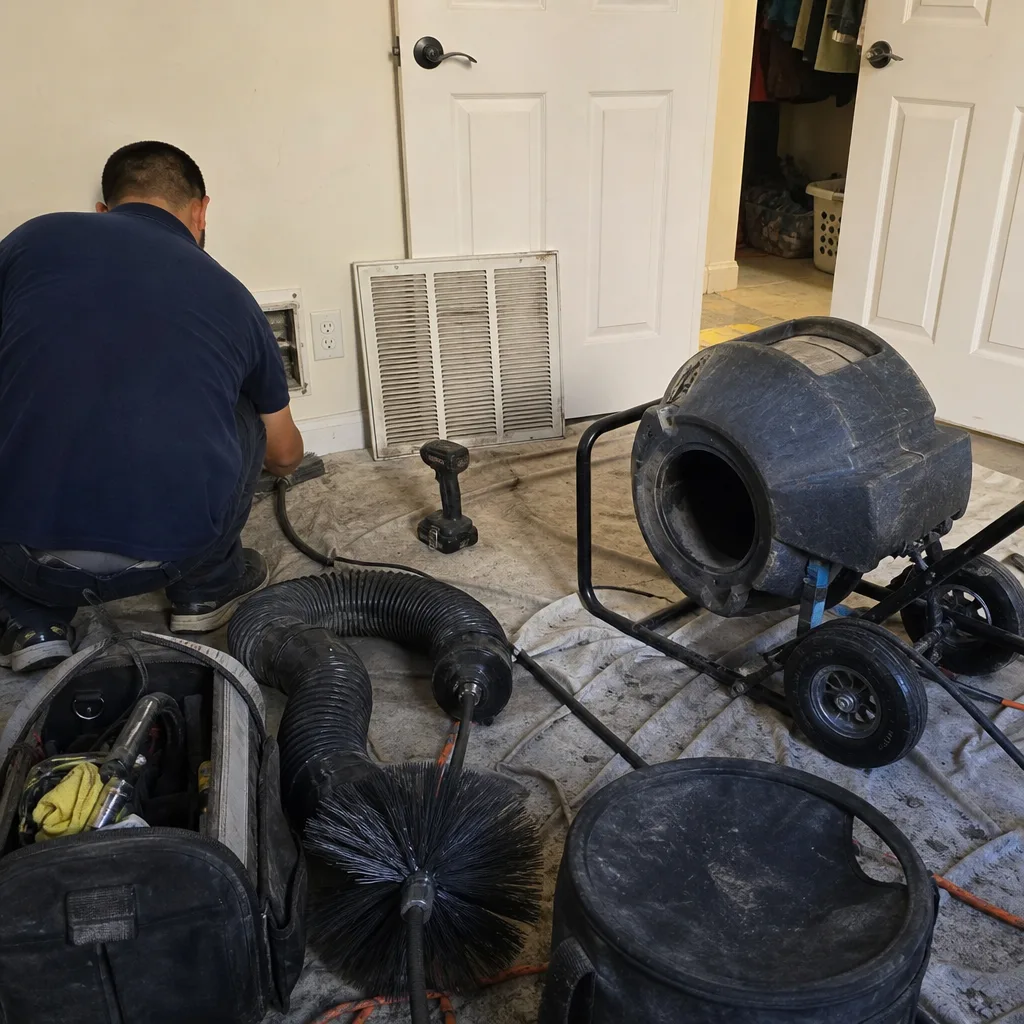 Before
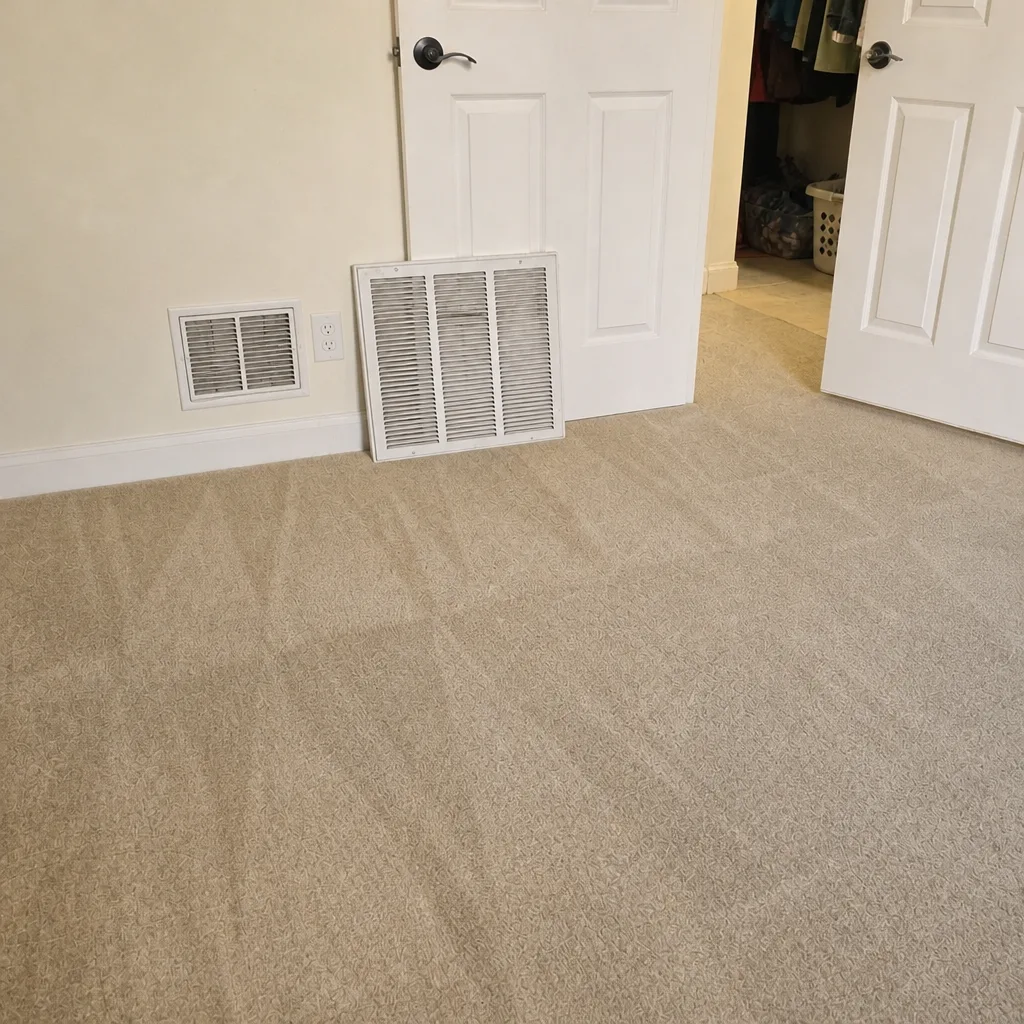 After
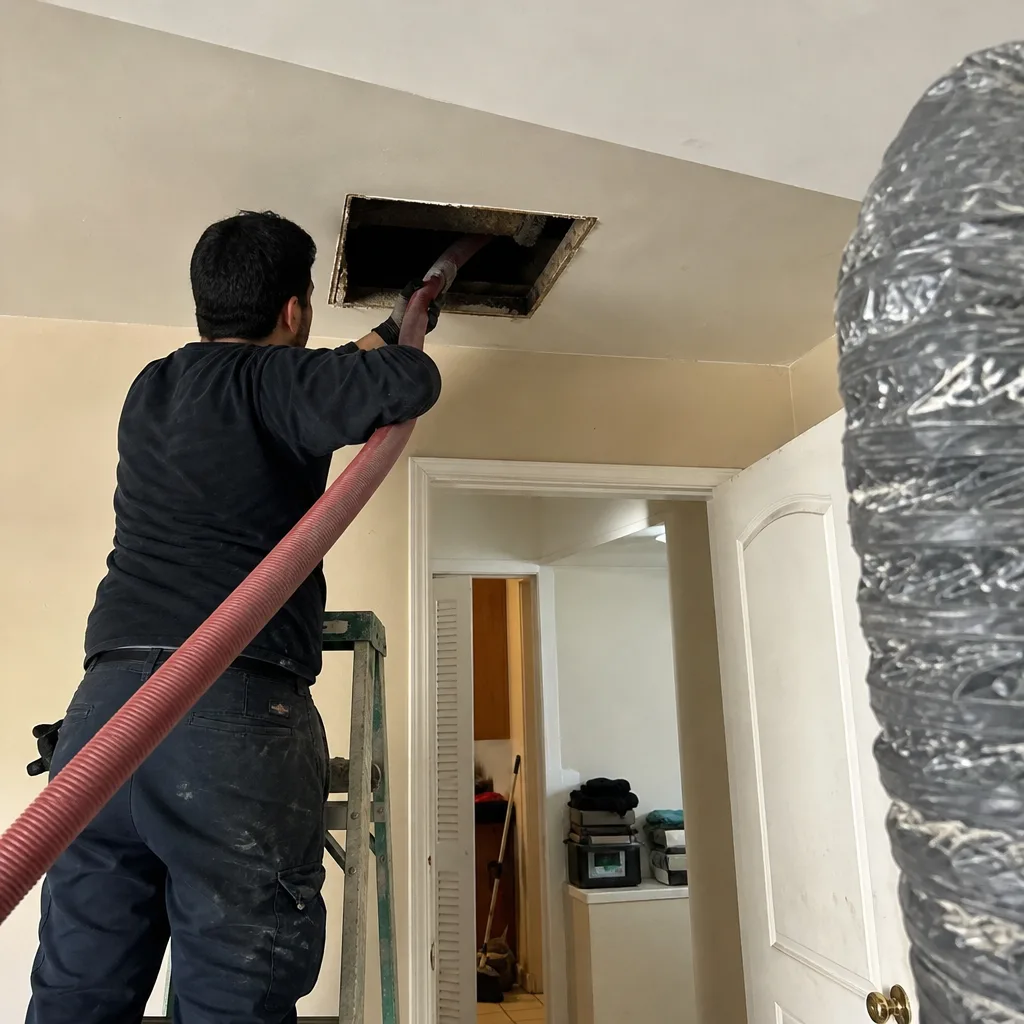 Before
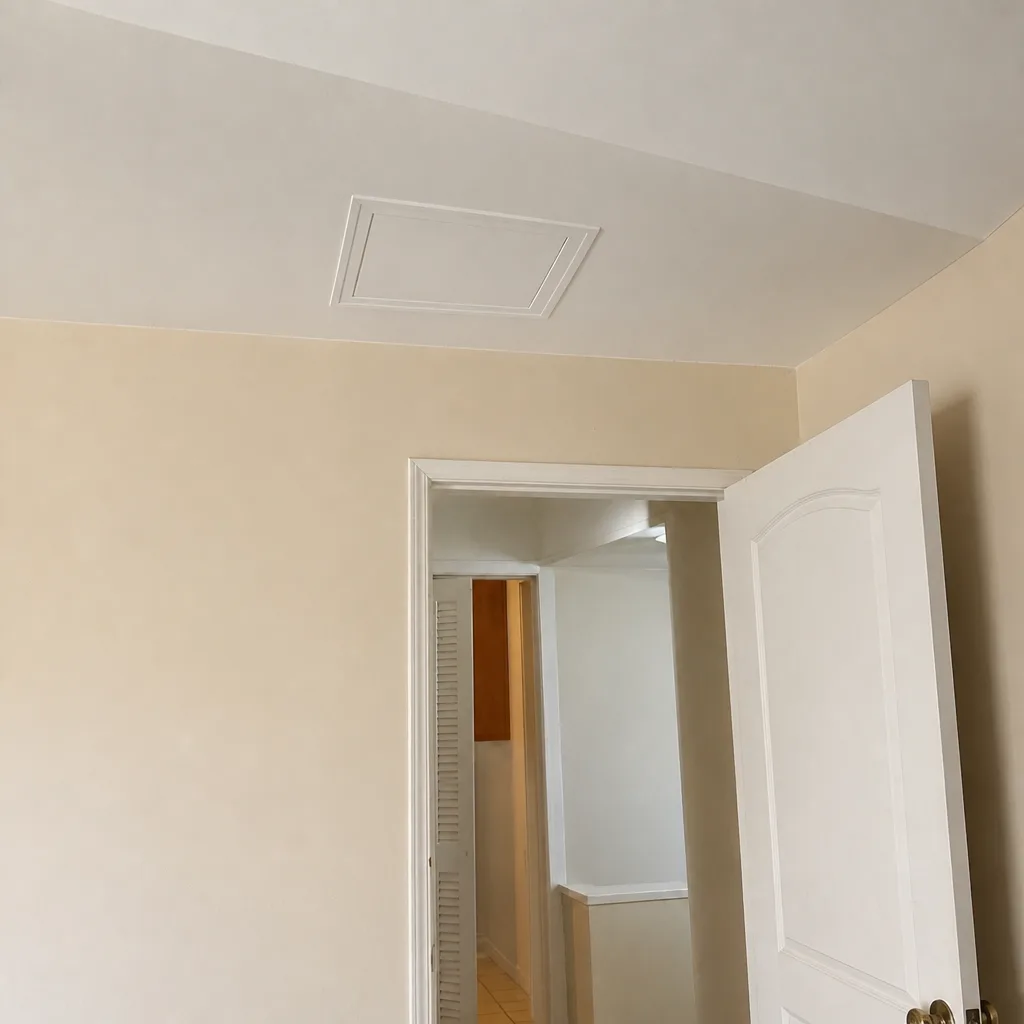 After
 Before
 After